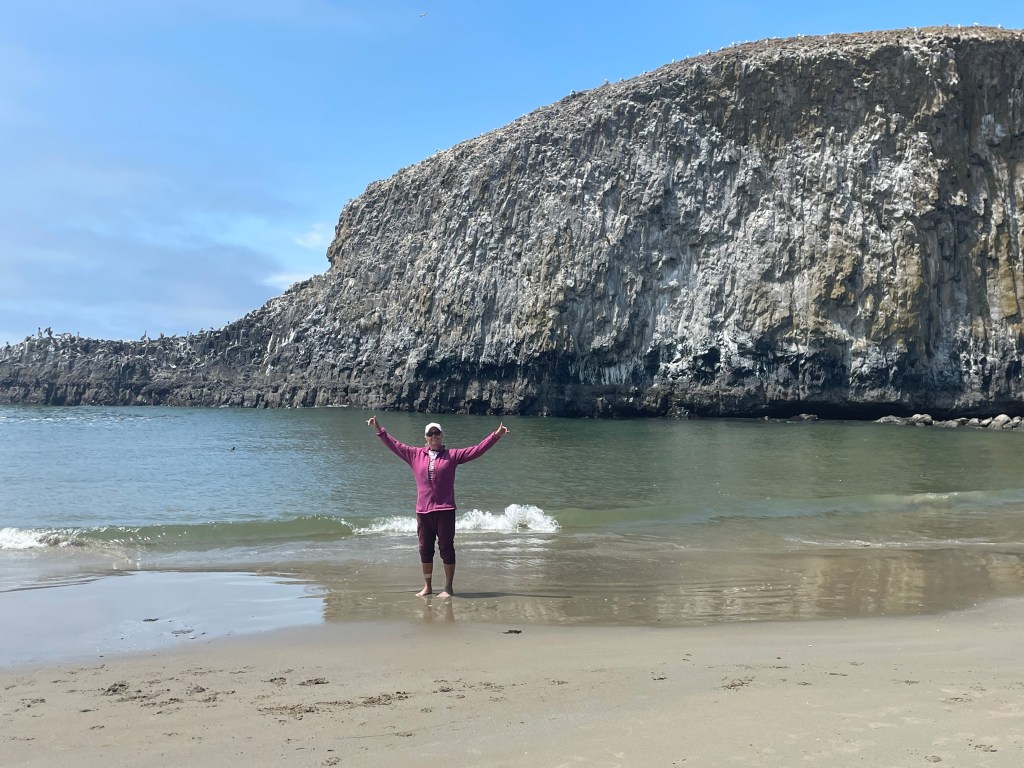
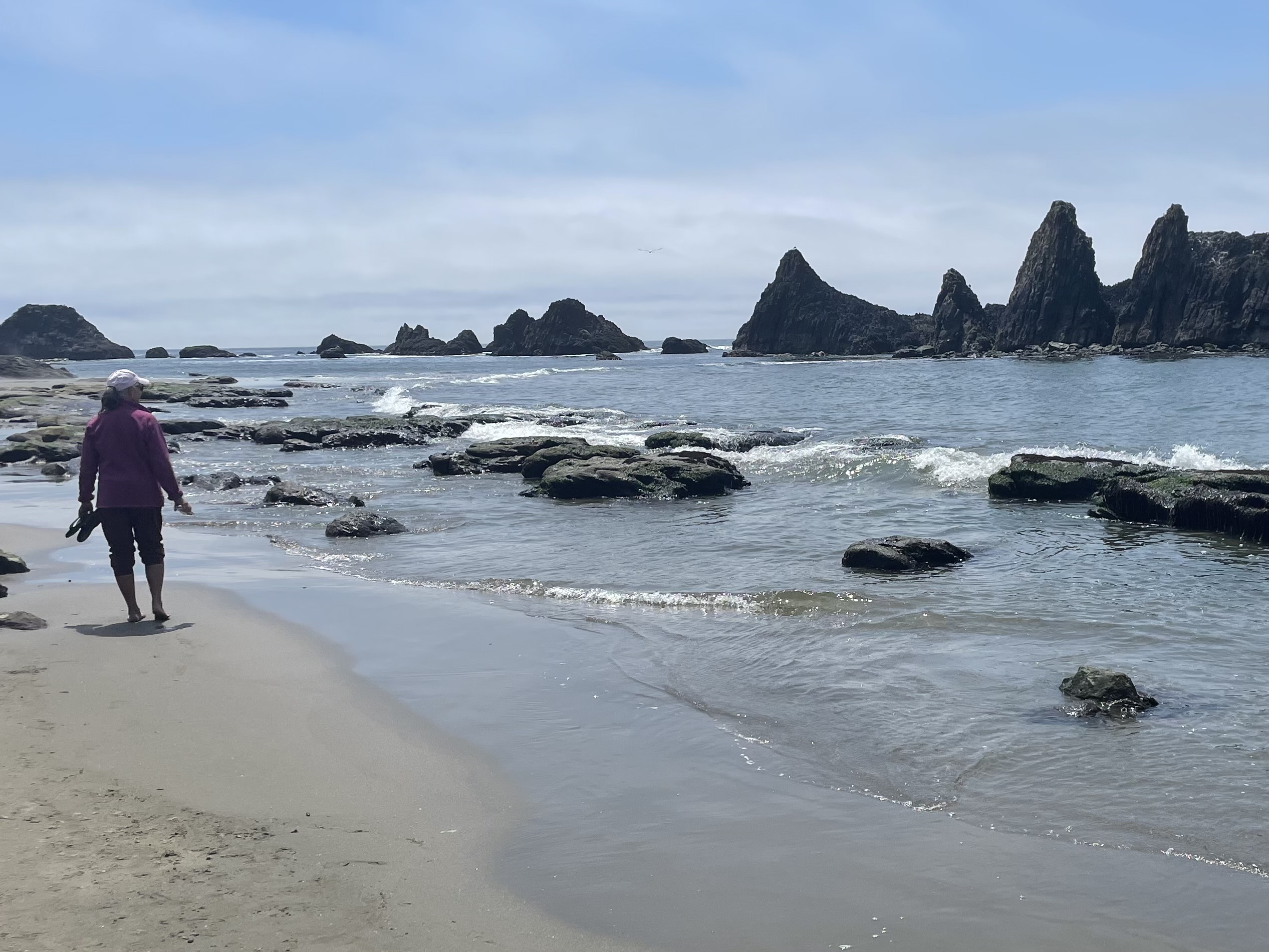
We took a quick trip to the Oregon coast early this week and were greeted by waves and views that instilled wonder. From the protected cove sheltered by Seal Rock to the dunes at Agate Beach we hiked the beaches and exclaimed over the beauty.

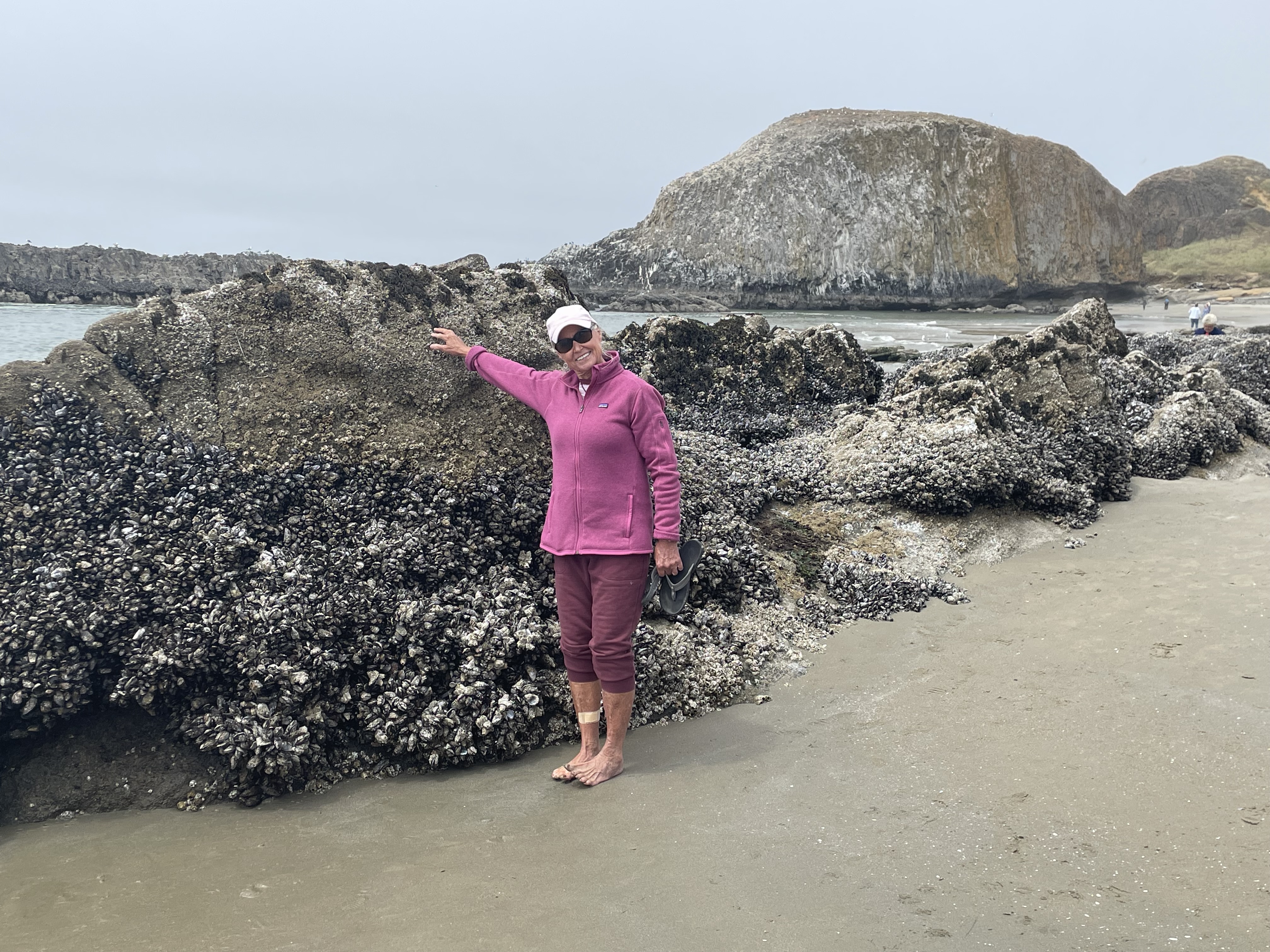
It wasn’t until the last walk in the evening as we trekked up and down the rolling dunes that I noticed something besides rocks and sun-bleached shells crumbled in the sand. If you click on the photo of the massive beach log and look closely at the sand in front of it – it’s all microplastics!
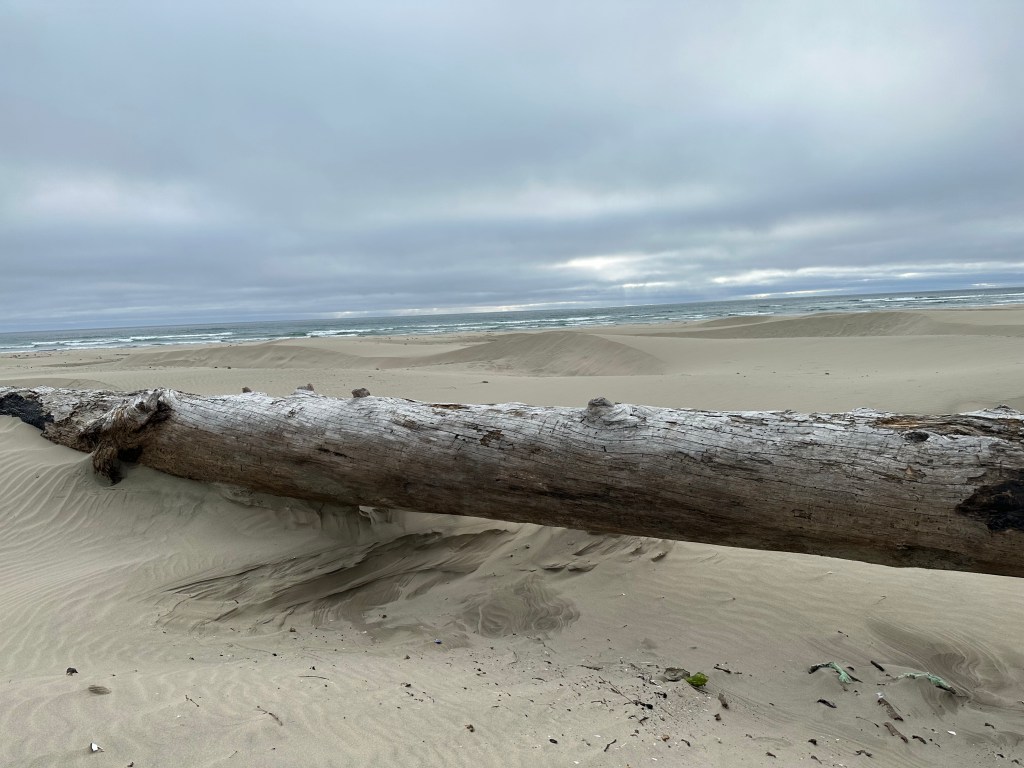
Once I really SAW the microplastics, I couldn’t un-see them. They were truly everywhere. It would take a team of hundreds sifting the sand to clean even the amount in the relatively small are where we had walked. How did I miss seeing that earlier – after all, plastic debris is always on my radar.
Animals can mistake small, often colorful microplastics for food. This can lead to the introduction of toxic chemicals to the animal and has been known to lead to digestive blockage in fish, seabirds and turtles. . A Seaside (Oregon) based conservation group Sea Turtles Forever wants to make a difference.
They clean the sand using a unique screen filtration system. Developed by Sea Turtles Forever founder Marc W. Ward, the systems look like a cross between a medical stretcher and a flour sifter. Dirty sand is piled on a sheet of fine mesh stretched between two long poles, and the mesh catches plastic and other foreign material while allowing the sand to fall through. According to Ward, a static charge in the mesh can catch plastic particles as small as 100 micrometers across.
The result? An area of silky, pure sand free of plastic litter — especially the tiny bits that pose a threat to wildlife. You can watch the group in action here.
Besides making your own personal choice to bring re-usable food and drink containers when visiting the beach, picking up what you see, or maybe even making on of may types of sand sifters – you can learn about local groups you can assist in their larger strategies against microplastics.
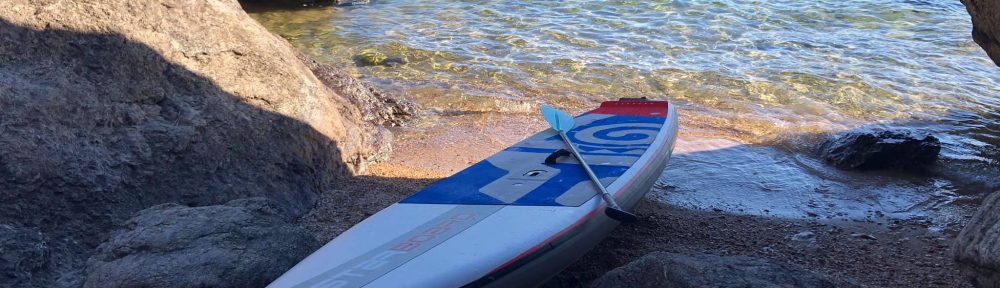
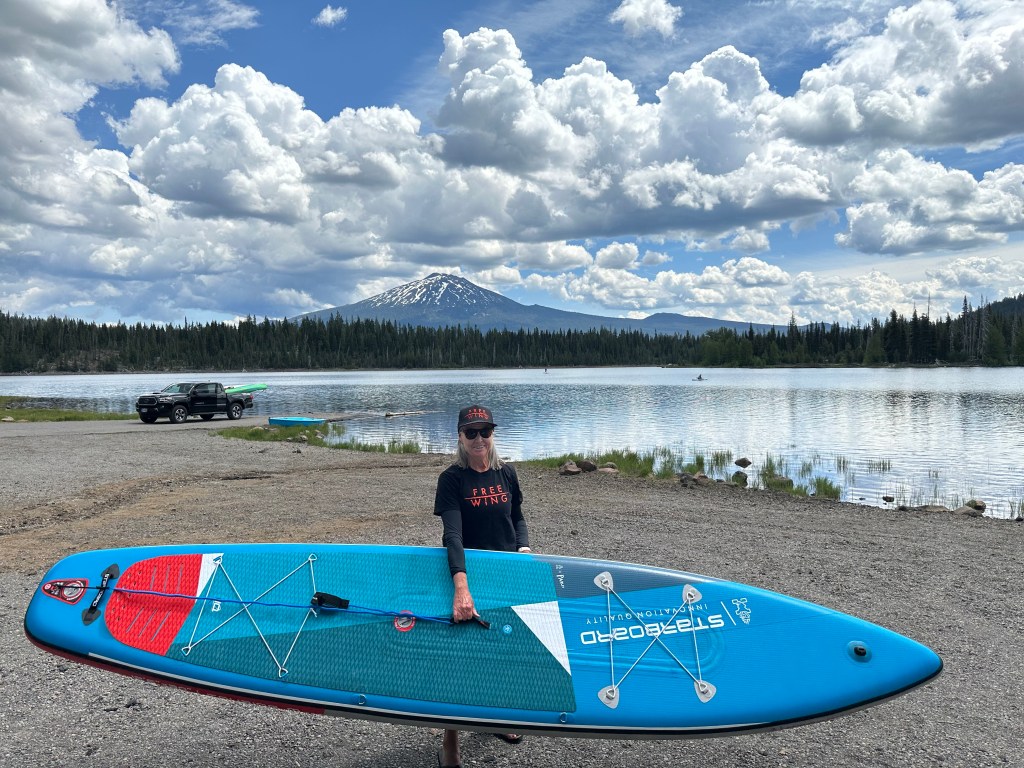
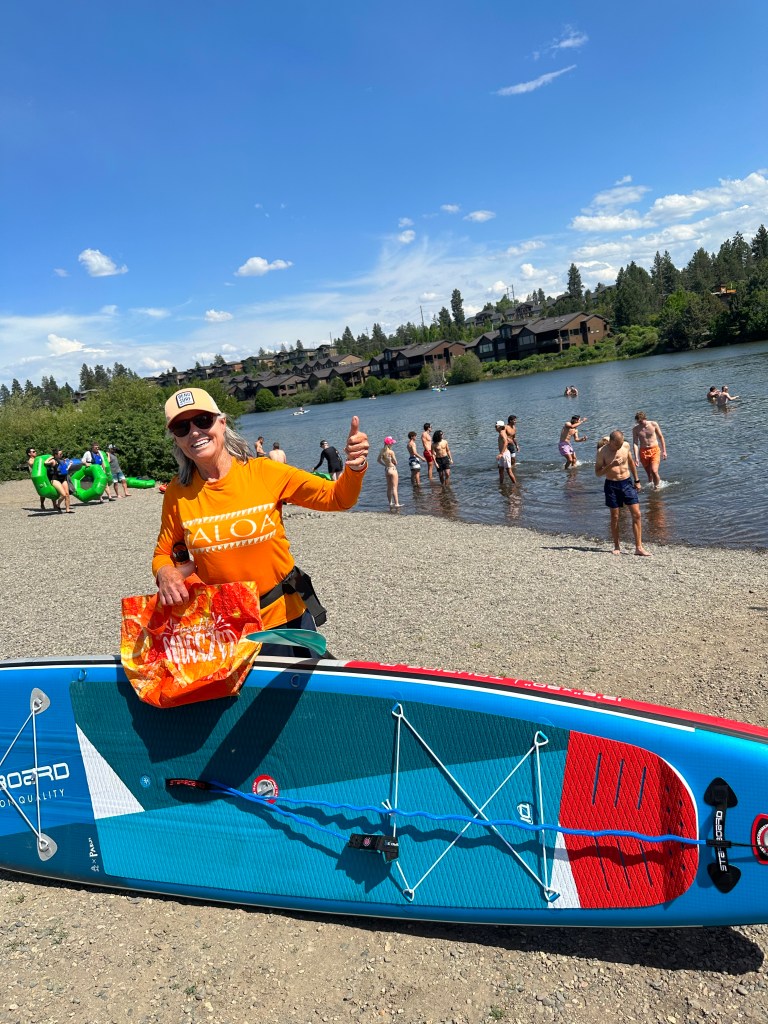
Because we paddle and surf, it’s great to know that the brand we purchase can make a huge environmental difference. One example is Starboard Blue. As a producer of plastic-based products, Starboard introduced plastic footprint reporting after pioneering work with the Ocean Recovery Alliance. In 2017 the world’s first Plastic Offset Program was launched. Starboard offset parts of their plastic footprint through their POP initiative. Every day their own team collects beach/ ocean plastic litter. They have collected more than 657 578 kg over the past years and are continuing to expand and improve the program by sourcing recycling sites to process the collected waste. Starboard is working with VERRA to become one of the first projects certified under the Plastic Waste Standard.
Are the beautiful dunes of the Oregon coast doomed? Not if we add to the momentum of advocacy, sustainability and action.


 Elder SUP