Unknown's avatar

About Water Words

https://elder-sup.com/about-2/

Right Name – Excellent Initials

Sometimes fate seems to send a subtle message in ordinary observations. This time it came from a name and the resulting initials – Suzie Cooney, SC.

Ed and I are in week 8 of our “Eddie Will Go on the Olukai Ho’olaule’a” race – comeback from extensive shoulder surgery. Week 8 is the best one yet. We are actually in Maui and are SUP surfing and doing sweet down-winders every day on our Naish 14′ Glide GX. Last night we had dinner with our trainer-from-a-distance, Suzie Cooney, CPT of Suzie Trains Maui. IMGP0149
There’s nothing like a face-to-face conversation over ono burgers at the Fish Market Restaurant in Paia, especially after all the support we’ve gained from Suzie over the past months. How did two 63 year olds from Oregon come to be trained by Suzie Cooney on Maui? That’s quite a story.

We were casually playing at down-wind riding while on vacation in Maui in May 2011. Hearing that the Olukai Ho’olaule’a offered a “fun race” of just 4 miles we grabbed our rental surfboards and registered. The day of the race we were all butterflies and doubt.  Ed was having shoulder surgery 4 days later and we were second-guessing everything. Then the announcer gathered us all for a pre-race warm-up, and we met Suzie.
suzierace_00001With a warm smile and ultimate encouragement she talked and moved the nervous group through breathing, stretching and a warm-up. Surprisingly, by the time we were done the group had a relaxed and solidified feel. Then we were off for one of the most exhilarating fun-runs ever. We decided that when Ed was able to train after his surgery, just seven weeks ago, we would start training with Suzie. We set a goal to do the 8-mile run from Maliko Gulch to Kanaha. Suzie’s regimine has been just what Ed needed.

Meeting up with Suzie last night confirmed it, she has the absolute best initials for her spirit and talent:

  1. SC – Sincere compassion: Ed is coming back from an injury and Suzie’s compassion for the struggle is obvious. It takes quite a bit of digging to gain the information that might attribute to that. Suzie is no stranger to injury, rehab, set-backs and the value of dedication and solid training. She has walked the talk, and then some.
  2. SC – Social commitment: Much like Olukai, the sponsor of the Ho’olaule’a, Suzie has always had a strong commitment to her community and sharing her expertise and talent. We love that and it sets the same tone that we go for at Elder SUP
  3. SC – Strategic communication: Suzie is about the busiest person I know. There is no place for the luxury of time wasted. When we use SKYPE or e-mail to gain insights and training strategies Suzie is always ready to communicate, but to the point and with disciplined replies.  It is a great way to allow her expertise from Paia, Maui to reach out to wherever clients are.
  4. SC – Solid collaboration: Suzie spends time with a diverse group of peers from both the fitness and surf/SUP/paddling disciplines. She’s an avid listener and seems to have an uncanny ability to tweak out information and then share-collaborate easily. These skills are obvious if you cruise her website, see the photos, read the articles, and watch the well-edited videos.
  5. SC – Sea Connection: Suzie is a waterwoman and is undeniably connected to the sea. Her stories, grins, and passionate dedication to sharing this connection is a gift. We are better at our SUP dreams because of her inspiration. Better yet, we are determined to return home and make the most of the next 5 months before we launch into the sea from Maliko Gulch.

Please share your training, come back and dream-event stories with us.
Crush on a Hero (GoPro)

There was a time when golf was not a televised sport. Logic had it that watching a bunch of golfers whack a little white ball around a golf course, no matter how beautiful the course, would not be entertaining. Millions of rabid viewers later, the power of a great story woven into well shot images made all the difference.  We engage with diverse characters (pros) developed across their careers whether we play or not. Watching golf is adventure and drama when the story and filming is exceptional.

With the amazing digital and video tools available we have a chance to “film life.” We can see the images and become engaged in stories of all types created by pros-and people just like us. As in golf, some are going to gain a huge audience – others, not so much. For example, put the best set of golf clubs in my hands and bring the best video team on site to film my round of 18 holes, no one would care to watch. There’s no way I could deliver the shots or drama viewers need.

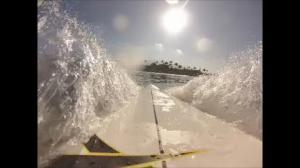
Similarly, I actually do own “the best” in equipment – the GoPro. Based on my skills and needs I selected the HERO3 Silver Edition. Armed with chest mount and surfboard mount I set off to document an 8 mile flatwater paddle down the incredibly beautiful coast of west Maui for my first Go Pro experience.  Ed and I took off, taking turns paddling the Naish Glide GS 14 where we’d mounted the GoPro surfboard mount.

The best equipment can’t counter boring footage and inexperience. We had a chest strap to mount the GoPro – but didn’t use it. The surfboard mount can be turned to face the surfer – we didn’t do that. We aimed the GoPro forward and simply let it run for 90 straight minutes of mostly downwind paddling.  The Go Pro Cineform Studio software is easily learned, even by a techno-phobe like me.  Thanks to lots of YouTube and online experts sharing insights every question that came to mind had an easy to access answer. All of that couldn’t make up for my relatively boring footage and lame editing skills.

View from the nose - first wave caught on the Naish Glide GX 14'

View from the nose – first wave caught on the Naish Glide GX 14′

Do I mind? Not really. No matter what, I have documentation of that very first, massively exhilarating ride I got on a chest high glassy wave on the Naish 14′ Glide GX in the few seconds before I bailed out. It was nearly dead low tide and a reef loomed too close to the surface. Editing that first set of Go Pro footage is the start of a cool new hobby. Priceless – and day one on my learning curve.

The Power of the Feather: HULU

Hulu means feather in Hawaiian. We sometimes leap to compare a feather with “light as a feather,” but that would ignore other powerful components of a feather. Birds’ feathers are designed to be light but very strong, tough and flexible. Feathers are some of the lightest but strongest materials in nature. When Dave Chun of KIALOA Paddles named the newest in the KIALOA line of paddles the Hulu, the name was an immediate fit.

Before going into detail  about the Hulu line, I’d like to share some bits from a recent conversation I had with Dave in his Bend, Oregon office.  An avid student of nature, water, paddling, observation and the “wisdom of crowds,” Dave provided some fascinating background around his journey toward understanding what creates great paddle design.

While outrigger canoe paddling is the sport of choice for Dave, he has spent a substantial amount of time underwater. It’s not uncommon to spot Dave neck deep in water at a crucial buoy in a race where he’s grabbing some cool action shots. But it’s not such common knowledge that Dave spent many years deep in the ocean spear fishing and designing spears.

It was in that environment that a super-creative, full-of-ideas guy like Dave began to recognize the value of slowing down and being calm. Instead of going fast and chasing a fish, Dave realized that hovering low and quiet by the smaller tropical fish would eventually draw in the larger game fish.  The same would happen when a myriad of ideas tumbled in his head – simply slowing down and being quiet would allow the best ideas to flow into consciousness. 

Experiences in spear fishing allowed Dave to become quite competent at designing spearguns. Years of experience in the world of outrigger paddling also allowed Dave to learn from the bottom, putting real experience to use in developing unique and highly effective paddles. There was no “school of paddle design” or books to read at the time, so Dave’s path to refining his skills to the digital and highly refined level they are now did not include engineering or degrees.

Dave’s formal training was in social work. At first glance there would seem to be little connection between excellent skill for social work and transfer to paddle design. Here is where the “wisdom of crowds” comes into play.   As a social worker, Dave was keen to really listen to what his clients were saying. He encouraged story-telling and let people weave the tales they wanted to share. In almost every case, somewhere deep in a story a nugget of important information would be shared – and Dave honed his listening skills over time.

Instead of doing formal “market study” and test groups, Dave refines designs by getting KIALOA paddles in the hands of diverse types of paddlers. After trying the paddles people tell the story of their experience, sharing things they felt, saw, thought about, wanted, liked or disliked. The “wisdom of crowds,” from the top paddlers, racers, surfers and pros to the everyday paddler all contribute to a distinct line of versatile KIALOA paddles.

The majority of the testing for the Hulu happened in the Pacific Northwest so KIALOA could keep the paddle project on the down low. Karen Wrenn and Cyril Burguiere in Portland, and Beau Whitehead in Bellingham all had prototypes of the Hulu out for a spin. Chuck Patterson was used later in the project as a strength tester – who better?

Chuck with an earlier KIALOA paddle – looking strong as usual.

According to Dave, “Much of the testing was focused on the strength to weight ratio. We wanted the paddle as light as possible, but we did not want to build a ‘disposable’ race item. Our goal is to keep our product out of the landfills. Since we work with plastics, a long service life for our products is necessary. I feel a super light paddle which is disposable is irresponsible.”

Dave explained further, “The Hulu features a brand new shaft, called CST. It currently is available in 2 versions. Light and Ultra Light. The shafts are built with pre-impregnated carbon fiber and are oval in cross section. The system we used to build the shaft is proprietary to KIALOA. The Hulus are our lightest SUP paddles. Some of our racers converted 100% of the time to the Hulu. Others use it as part of a quiver. But most have adopted it as their default paddle. The Hulu is designed to be a race paddle specific to the unique structural demands of racing.“

Personally, I am so eager to get my Hulu paddle that I can barely wait until the January 1 launch date.  I am an “everyday” paddler, far from being either elite or top ranking in any venue.  The need to have the best tool for the job (go straight and go fast) that racers want is not less important for us “everyman” paddlers. The Hulu is just right for me (and you, and your best friend, and Chuck and Gerry and Cyril and on and on).

 Dave and his good friend, Gerry Lopez, work in close proximity. (Be sure to check out the video link) It’s natural for them to check in with each other on a pretty much daily basis. As the Hulu evolved, Gerry’s ideas connected with Dave’s and the paddle became a collaboration of input.  The light sharp edges providing a clean entry and a stiffness ideal for maximum energy transfer made for the pure purpose of the paddle as a race paddle.

As we were talking, Dave reached over to a line of paddles leaning against the wall and pulled out one of the most stunning paddles I’d seen (this from someone hooked on the Hinano and Plumeria designs of the Pipes and Methane).

Dave held out the Hulu Ultralight GL model, GL for Gerry Lopez, for me to see. WOW! Gerry’s name is signed in his trademark script below the logo we all recognize. In bold black and gold colors, the paddle is a work of art. Dave has taken years of ideas and concepts that buzz around in his creative mind, he tempered the ideas with “wisdom” from crowds and from his good friend, Gerry. Hands on digital refinement and observing from experience, life and other pursuits collectively aligned to  result in the Hulu. Focus on using the newest in high grade carbon fibers with a high modulus of elasticity connected to a willingness to try, fail and re-design has brought Dave to the point where he is confident to launch the Hulu. For one, I am jazzed.

Connect with KIALOA or a dealer in your area.  Your Hulu is ready.

Full Immersion – to be your best!

The very best surfers, paddlers and SUP watermen (and women) make it all look so easy. Do you ever wonder how they get to be so seamlessly great at what they do?  Part of the answer is a mix of practice, passion and full-immersion in their element.

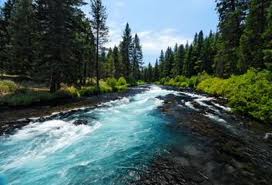
My niece, Michelle Alvarado of Wahoo Films, spent 3-4 hours a day during a recent summer fully immersed in cold, rushing rivers around Oregon. She was filming underwater for a film called Deep Water – more great stories on the Deschutes and Wychus Creek are available at “Ripples of Change.” One reason the stories Michelle shares and the impact of her messages are so profound is that she solidly connects with her subjects – the rivers and its fish inhabitants. Being fully immersed in the cold waters brings a unique perspective and power to Michelle’s message – much to the betterment of the rivers’ health. There’s nothing quite like the learning experience of being pushed downstream while trying to stay focused and eye to eye with an illusive steelhead.

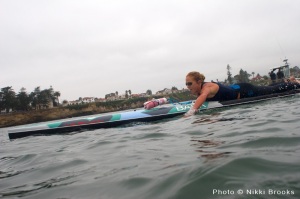
Connecting with water can happen during a wind swell pushed to head high by a raging wind vs a powerful river current. I got slapped silly and pretty well schooled during the September 2012 Naish Gorge Paddle Challenge.  After the race, I had the chance to chat with Candice Appleby and learn how much value she puts in diverse training. As a standup paddler, I had no idea how important prone paddling might be.  Candice explained, “When you are lying on your board paddling through ocean, waves, wind and current you get a completely different understanding of the water than when you are standing up. Not only do you work different muscle groups by prone paddling, but you experience subtle insights that are valuable for surfing, for down-winders and for standup paddling in general.

Maybe Candice doesn’t need to prone paddle and maybe Michelle doesn’t need to scuba dive with fish – to be excellent… but maybe that is exactly what allows the best to rise to the top of any field. Maybe the best way to become better at standup paddling is to know the water – and fully immerse in the elements that define our sport.

The boards and paddles we choose to connect us with wind, waves and water are the result of a long decision-making process. I have chosen to use a number of paddles from KIALOA Paddles over the years. We spend a lot of time training for our standup paddling experience and getting the right paddle for our best immersion in the sport is important. I recently had a chat with Dave Chun of KIALOA Paddles and we discussed the selection process for most people. Many paddlers decide to demo a paddle and after 5-15 minutes we might decide we love it. It’s wonderful. 

In reality, Dave explained that it might be better if a person paddled for 45 minutes or more and then picked up a demo paddle. When the body is a bit fatigued and we are immersed in the water and weather of the day, we will get a better perspective on how the paddle actually connects with our current skills and fitness.

When asked about paddling technique, Dave Chun says, “Listen to the board, Don’t worry about what you look like. Listen to the water coming off of it. Feel what makes it go fast and smooth.” That bit of advice goes in one ear and out the other if the listener has not explored the full-immersion of what it’s like to move in water. Listen and feel – observe and immerse. That’s the method for discovering how to make your standup paddle experience the best it can be.

Connecting Across Generations

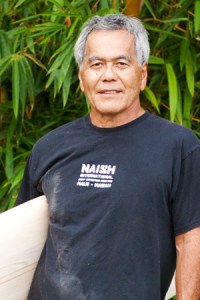
For the third time in as many years, Kai Lenny has won the overall title on a Waterman League World Tour.  Battle of the Paddle Champ Danny Ching calls Kai, “the best paddler in the world,” for his prowess in both wave and race competition. Lenny wrapped up his Standup World Series overall win this past October at Turtle Bay on the North Shore of Oahu during the Standup World Series Finals.  Kai Lenny dedicated his first ever sup race world title to memory of Naish’s Harold Iggy whose unexpected passing last January saddened all who knew him. 

Iggy has made boards for over 50 years. He was behind many of the best known Stand Up Paddleboard shapes in the world today, including race boards like the Naish Glide and Javelin. There is about a 50 year span in age between young Kai Lenny and his mentor and friend, Harold Iggy. Connecting across generations is a strong tradition deeply embedded in the Naish culture.

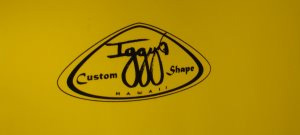
Anyone who’s ever ridden a Naish SUP board has probably seen his unique signature right above the fin.
In a few weeks we will be heading to Maui to do some downwind and surf training, looking forward to the Ho’olaule’a in May. We will be fortunate to have Naish Glides for the week. We may even have the chance to try the Javelin 12’6 LE – that would be fantastic.  It is no small thing for us to be using boards designed, shaped and modified with input from the extraordinary watermen and women of the Naish team. Seeing Iggy’s mark on the boards will be a reminder of the traditions and connections across generations that influence excellence.

“The surfing world lost an icon, a legend, and a friend to many, a husband, a father, a grandfather, and a mentor.”
said Randy Naish, who was with Harold on the water that tragic day.

No matter what your skill and experience level might be, having the best equipment and personal mentors always make a positive difference. Our skills, our confidence and our experiences over time all contribute to our connection to standup paddling.  In like manner, who looks to YOU for mentoring and inspiration?  No matter what your level might be, you can connect generations and reach new levels of confidence like Kai Lenny does.

There were times when the conditions at Turtle Bay were more than challenging.  Kai used his experience to move past any mental block that might have generated, “If I can handle Jaws mentally, and I feel super scared out there, I shouldn’t be scared pushing hard out here!” said Kai, who attributes his experiences at Jaws to helping him win that series of races. The mentors and powerful influence from Naish team riders added to that experience.
Experience, mentors, reflection and connection make all the difference. It’s great to observe a team like the Naish Team, and build those same traditions in our own “SUP TEAM.” We’d love to hear how mentoring or having a mentor has shaped your SUP experience.

Gray November to Sunshine SUP

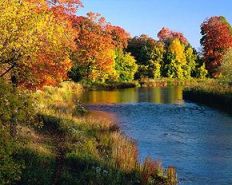
Fall colors invited plenty of Elder SUP paddlers out on the water to collect those rare sunshine days of brilliance

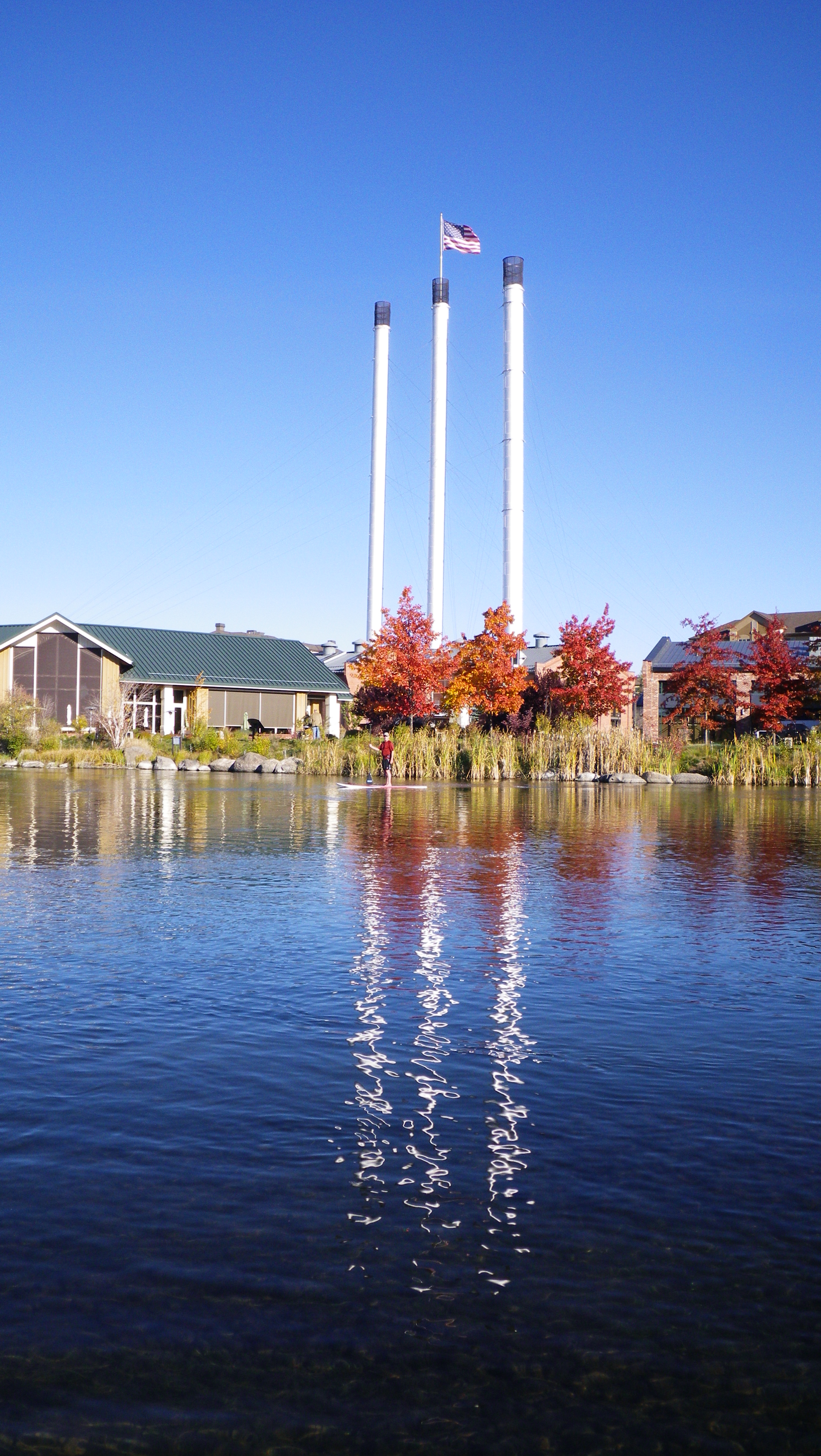
After five days of unbelievable Indian summer sunshine and 60-78 degree ranges in temperature, the gray (bring some snow to Mt Bachelor) days of November have returned. We had some serious frost for a few weeks in October which turned our leaves a brilliant array of color. A number of you shared pictures and e-mails describing how cool it was. We featured some photos by Dennis Oliphant of Sun Country Tours in Bend, Oregon.

With the forecast predicting highs in the mid-40’s, rain and possibly snow flurries at high elevation, the long darkness of winter seems daunting. Yes, we love to ski and play in the fluffy white stuff – but when standup paddling and water fun is #1, we start to think warm!

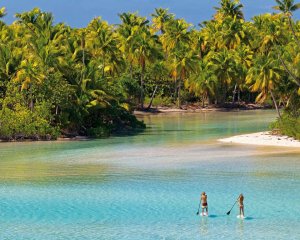
I spotted  this picture on a Facebook page today (sorry, I cannot locate the source). This amazing warm, tropical spot is incredibly compelling – yes, I wish I knew where it was so I could add it to my bucket list! How about you? 

Soon after I spotted that image, I followed a few Facebook posts from Sean Sweet of Sweet Waterwear and that lead to a few posts by the gracious and incredible Candice Appleby. Candice recently won the Hennessy’s SUP and Paddleboard Racing series for 2012. After getting 1st in the Elite Course Race and 2nd in Distance, she was crowned the Hennessey’s World SUP Champion for the 3rd time.

When the string of amazing performances Candice has accomplished in the most competitive events in standup paddling racing and surfing it’s likely that she spends enormous  amounts of time in diverse training and water practice. Many of us relegated to the colder climes for the next 5-6 months might breathe a heavy sigh and wish for those tropical waters.

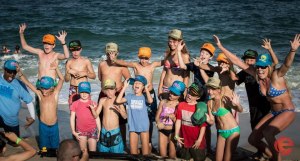
Candice Appleby and some of the kids in the kids clinic – Los Cabos Classic Hennessey’s SUP and Paddleboard Race Series

There is an alternative, a way of creating a diverse experience around our SUP.  Off water training and other outdoor sport time is one way. Another: Take a look at the ways Candice has chosen to participate in the sport she loves. A great deal is genuine enthusiasm for sharing our sport with youth and supporting causes dear to her heart, like Anti-Bullying campaign called “Stand Up for the Children.” Sharing expertise with kids, well that’s something we can all do. Why not take some time this off-season and get to know what events your local SUP club or shop are planning for spring and summer? Get inspired, and have some fun with like-minded friends.

Please share your stories – the more the merrier.

Candice is nominated for SUP Woman of the Year again. And why are we not surprised!

4 Weeks to Maui – TRX RIPping It

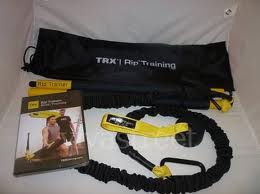
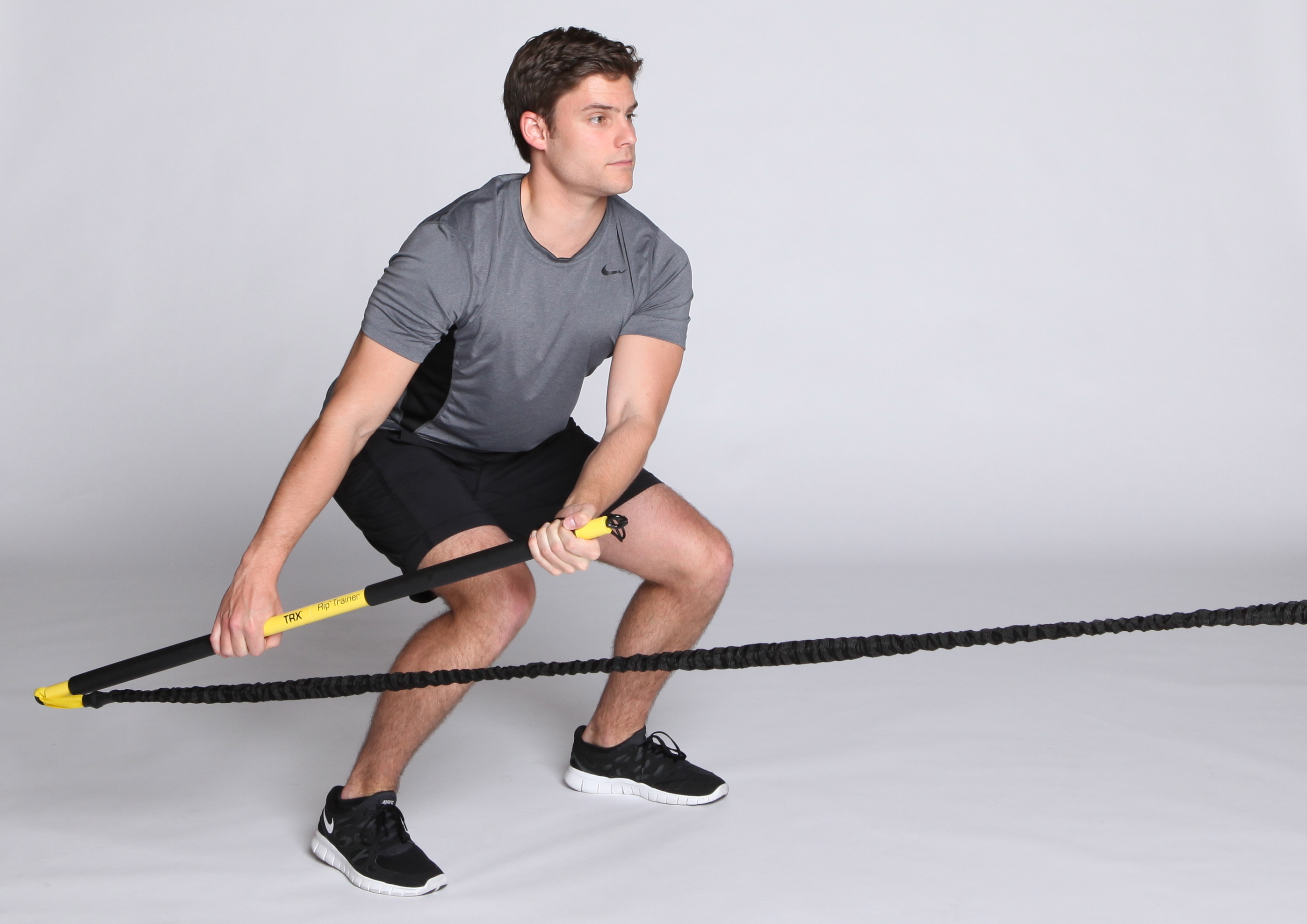
We all put great effort into preparing ourselves for our favorite sports and standup paddlers are no exception.  WE research the best paddles and boards until we make our decision to purchase.  Our first attempts at paddling lack the refinement that generates the best results and the most fun, so we seek training.  Fortunately for us, Suzie Cooney, CPT of Suzie Trains Maui suggested that we use the TRX RIP Training and suspension method – and after 4 weeks we can see the difference that practice has made.

Curious to learn if there were more SUP-specific exercises or recommendation, we contacted Pete Holman who developed the RIP Training method. Pete explained, “I would be able to best advise you after a Physical Therapy evaluation which identifies movement dysfunction, muscular weakness, balance and mobility issues. Additionally, if you have not taken the 8 hour Rip Training Course (RTC,) I HIGHLY recommend it because you will learn ways to progress and regress Rip Training exercises according to your needs.”

I have had 5 knee surgeries and am no stranger to PT and the guidance of a physical therapist. With that, I still managed to use the RIP Trainer inappropriately for my current condition. I have no excuse. The included dvd is incredibly thorough, mindful and full of guidance and alternate moves for every fitness level.

Silly me! I tried to do the squat moves on a large balance cushion while being torqued asymmetrically – bad idea. Pete agreed, that was not the way to adjust a personal training routine. It is important for the individual to “own” the movement required in each of the carefully designed exercises in the TRX program before altering them.

After my little foray into truly poor form, I let my knees recover and then began the program again.  This time I performed each of the squat motions in a controlled manner as explained in the excellent training dvd (included).  Now,I may be protecting myself from future injury, particularly during skiing.  I do make sure my knee tracks over my toes. I also stop the bend at the point of pain. Paying attention to detail allows optimal training sessions and results.

First question: Do you have modifications or suggestions for doing the RIP Trainer moves that minimize the squat, yet still engage the core and provide adequate intensity?

Modifying depth of squat is the best way to alleviate flexion/extension loads through the knee joints. Much of the strengthening of squat based exercises (such as the Rip Pitchfork, Rip Squat Row, Rip Squat Press, etc.,) come from co-contraction of the knee flexors and extensors (hamstrings/quads.) Thus, range of motion isn’t critical; what is critical is knee alignment and precise, fluid movement patterns. For ACL injury prevention or recovery, the hamstring muscles are of HUGE importance so any exercises which face the anchor are excellent because they activate the posterior chain (hamstrings, gluteus, spinal erectors, etc.) more preferentially. ANY Rip Training exercise, if performed properly, engages the core. Focus on maintaining perfect posture, balance and stability. Even just holding isometric positions while facing away from, facing or sidefacing the anchor will be excellent for core strength and stability.  

I explained to Pete that I have started doing a few of the RIP Trainer exercises on the Gigante cushion with an Indo Rocker board. Sometimes the front foot is on the cushion/board while the back foot is on the floor. Sometimes I have both feet on the Indo board (it would be rocking left/right not forward back) in the wide stance.  I notice that when I do the exercises this way I feel more core, have to concentrate more on neutral spine and do the movement more slowly. I do the exercise on the Indo board in addition to doing them on the floor. Since my training is meant for SUP it makes sense for the added balance challenge. I asked if Pete had comments or insights on this?

Pete replied, “Training on labile surfaces (BOSU, Rocker boards, Indo’s, etc.,) is great for proprioception and improving balance. Keep in mind, the asymmetrical loading of the Rip Trainer provides a balance challenge in itself, so I would really “own” the movements prior to adding increased balanced challenges.” From my experience, I absolutely agree with that advice. When a standup paddler really takes the time, focus and effort to refine the stroke technique, when doing TRX training, refining focus and technique also delivers the best results and experience.

Upper body endurance in which the core and lats are moving through a motion with some resistance is crucial to off-season,  off the water training.  It is starting to be too cold to paddle regularly here in OR – as in most of the country. I asked Pete, “Is there a series of moves that one might do over a period of 10-15 minutes as opposed to 30 seconds, for that strength endurance? I would love to work in that direction with the training.”

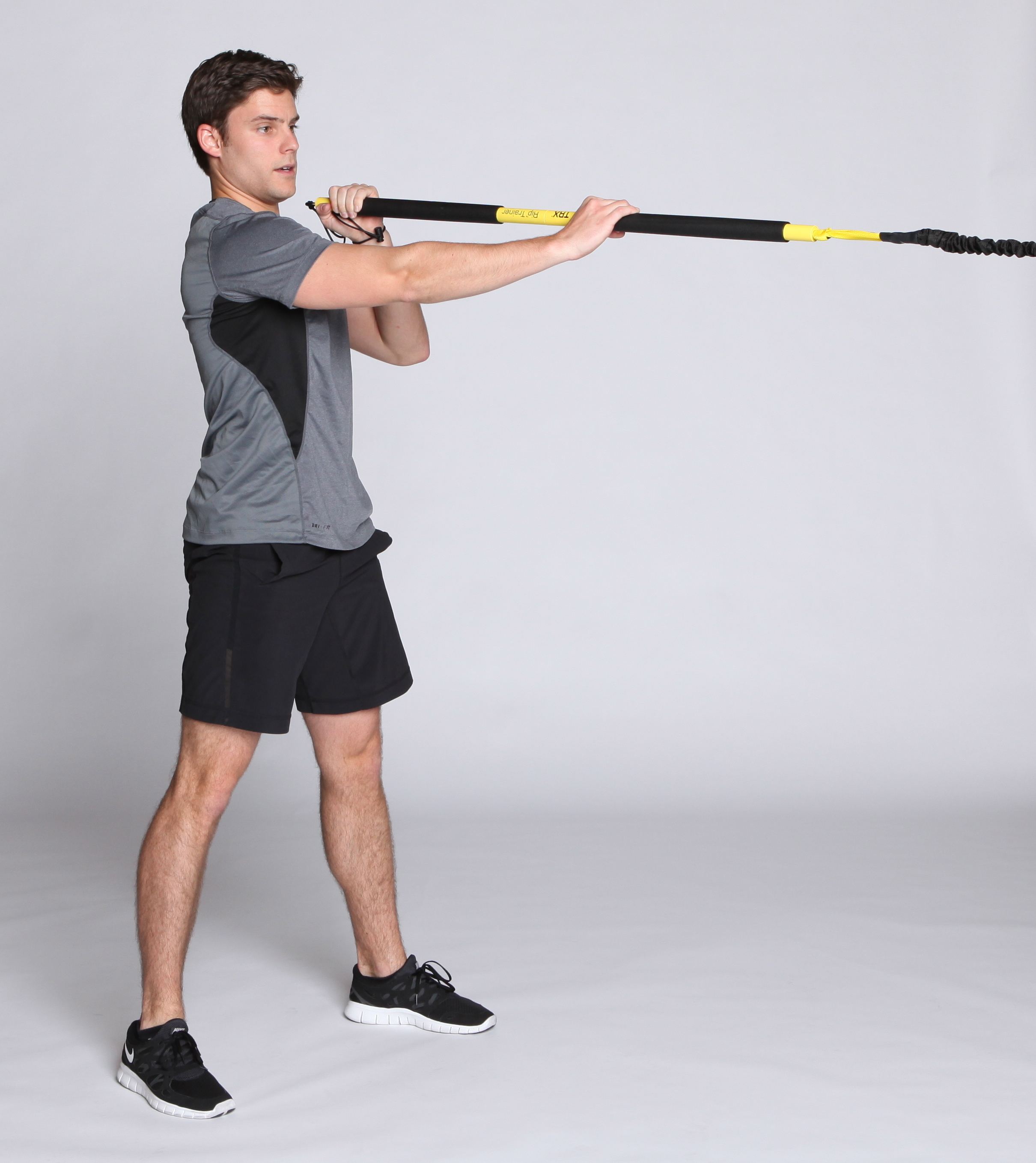
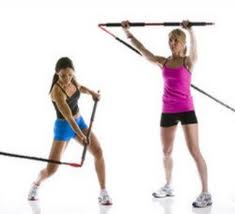
Pete suggests, “The Rip Paddle Board Row is a great exercise which can be performed at slower speeds with less resistance to simulate SUP (see attached images). You can alternate from right to left sides (changing power and base hands,) every minute and you can also change your stance from parallel to staggered to work different muscles over the 15 minute time period. This is a simple endurance workout which can challenge users at any level and really “maps” well to the movements of SUP.


Overall Benefits of TRX RIP Training (check out the video):

  • Improved lean muscle mass
  • Improved balance
  • Increased flexibility
  • Enhanced core stability
  • Improved endurance

Training on the TRX requires your core to be active and engaged during the entire training session. The functional and dynamic movements performed using the TRX all require the core to stabilize and balance the body. For example, while performing a bicep curl with the TRX, you must engage your core to stabilize your body. You work the specific muscle, but are also working ALL of your core muscles at the same time. There is no need to spend extra time doing hundreds of crunches, or back extensions. Grab some straps and train like a Navy Seal to change your body and keep it ready for SUP all year long!

RPE, SUP and Neutral

My best paddle last week came about 10 days into my training with the TRX RIP and TRX Suspension trainers.  As I dropped my board into the brisk Deschutes River I was thinking about fall colors and maybe the last barefoot paddle of the season. There was not a cloud in the sky although we were predicted to get a few inches of snow by late evening. I felt great! 

In order to monitor a bit about my training paddles I use Nike+ on my iPhone to get feedback on minutes per mile. I wear a Polar heart rate monitor because sometimes I tend to go too hard for too long and start to erase the fun factor. I always bring along the GoPro HERO with at least two mounts. The suction mount on the board works well in the river, and the head mount captures awesome views. On this particular day I was simply out for color and the brilliant day. Training wasn’t on my mind.

Imagine my surprise when I heard the robo-voice from the Nike+ app say, ” One mile. Average pace 18 minutes per mile.” Okay,” I thought to myself, “When the breeze is in my face and I am going up current in this section of the river I average 21 minutes a mile.” Weird, I wasn’t trying so hard, my rate of perceived exertion (RPE) was medium, maybe a 6 out of 10.  Heart rate was in a manageable range. What was making a difference?

I believe I was cranking out the miles in a quick but seemingly easy manner because of two things.

First of all, I did feel powerful. My feet seemed to be gaining power from my legs with each paddle – and the only thing I was doing differently was maintaining a neutral spine. Core engaged and tail tucked. A neutral spine is a prerequisite to doing the TRX system. Perhaps 10 days of practice at that had provided me with a better “engine.” I have had a habit of bending at the waist, particularly when skiing. Muscle and body memory around creating that more upright, neutral spine might be a valuable transfer to more than just my SUP technique. Good news since ski season is just around the corner.

Technique makes all the difference. I get a great deal of insight by reading Dave Kalama’s blog. He recently wrote, “Paddling most of the time needs to be a very flowing and rhythmic action, not a tense muscle flexed series of positions, but rather a constant continually moving movie. Don’t get me wrong, there is a time and a place to exert yourself, but if your base stroke comes from a place of rhythm and flow, when you exert yourself you will be much more effective and efficient. The best fix for it is to greatly reduce your power level and learn how to use your technique as your driving force, not your power output. Decrease your power to the level that you don’t feel like you’re doing any work at all, and just concentrate on technique. You’ll be surprised at how fast you go.”

I have no doubt that my neutral spine and effective technique made all the difference on speed.  How satisfying to have things come together – awareness of technique, reach, proper hand and arm placement as well as on-land training.  What’s been your best “surprise” when it’s come to RPE and SUP?

Surf is Where? Arizona!

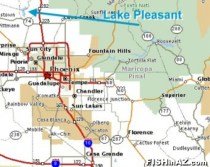
Lake Pleasant near Phoenix AZ, home of Standup Paddle Arizona http://standuppaddlearizona.com/

Without a wave in sight, an active bunch of standup paddlers have found a perfect place to hone their skills and enjoy their SUP adventures – in Lake Pleasant near Phoenix, AZ.

Stand up paddle boarding in AZ is fortunate to have a leader like Chandler local, Chad Brockman.

Chad Brockman enjoys paddling with a friend!

Chad has a versatile business and provides a myriad of resources for SUPers in Arizona.  As an instructor, he provides a strong foundation for the sport, especially for newbies, by  instructing them how to learn and practice the proper stroke.  Water is a haven from heat, a great medium for fitness, but it can also be a powerful, even destructive, force. Chad includes lessons on  how to read the water and be safe in and around a variety of waters.

Chad has been living in and around the water for 51 years.  That experiences has included plenty of adventures, but also some trials and tribulations.  “Talking story” and sharing insights based on experience adds to the value of Chad’s instruction.

Chad explains, “SUP Health not only improves your physical condition, it will gift you with a healthy mental outlook.” Part of starting new people on standup paddling is giving the “straight scoop” about purchasing the right equipment. Being able to grow into, not out of, equipment saves money and frustration in the long run.  We could not agree more.

If you live in AZ you have a super resource available. Whether you are recovering from an injury or simply want a way to have fun with friends and family and escape the intense heat, SUP is the way to go.

Anyone can do this! Standup paddle boarding can be done any time of day, even by the light of the moon. Join Arizona Standup Paddle for what could be the most fun you’ve had on the water! Chad Brockman is a bona-fide waterman with over four decades of experience world-wide. He has been introducing this new sport of SUP to the valley for five years.  Chad has become an ACE Certified SUP Fitness and a World Paddle Association Safety Instructor.

The state of Arizona offers great weather year-round. Stand-up-paddle boarding is growing as more and more people, products and places are being discovered daily.

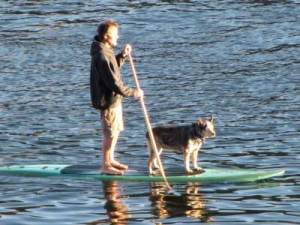
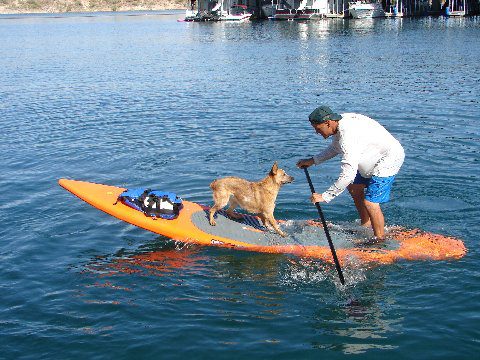
This is a great opportunity to try out this new sport. We all like walking on water, now we can run! And get wet, and have fun with our dogs! 


Are You RED-y For Fall Paddling?

Flip flops and bikinis, shorts and suntans – summer paddling has a personality all its own. Late in the summer, we did an article on the awesome colors we experience while standup paddling. The summer focus was blue.  Now that the clouds across much of the globe are more gray and the temperature more chilly, paddling on our rivers, lakes and bays has morphed from a world of sun and blues to the brilliant reds, oranges, gold and grays of fall. While those in cooler climes tend to have a bad case of “tropical-envy” during the long dark months of winter, there is a treasure of color during our Fall season.

I usually try to capture some of these colors while paddling. Last weekend, local standup paddler Dennis Oliphant took some pictures while hiking along some of our favorite sections of the Deschutes River in Central Oregon. It’s much more common to see Dennis, owner of esteemed Sun Country Tours,  paddling rivers, rapids, surfing oceans, and down-winding lakes.  Dennis has been on and around the water both as a professional and as an athlete his entire life, but on this day he was on the shoreline.

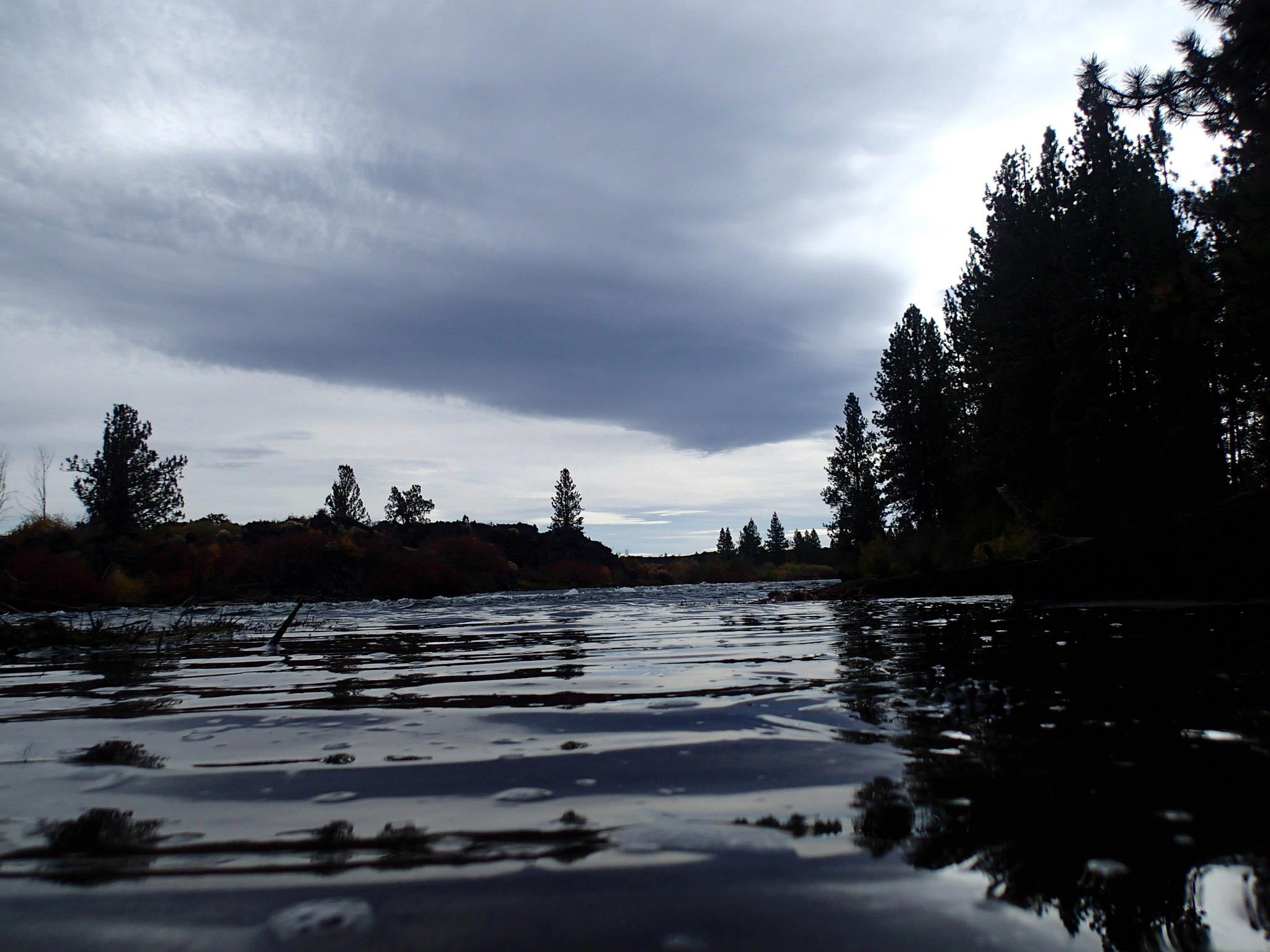
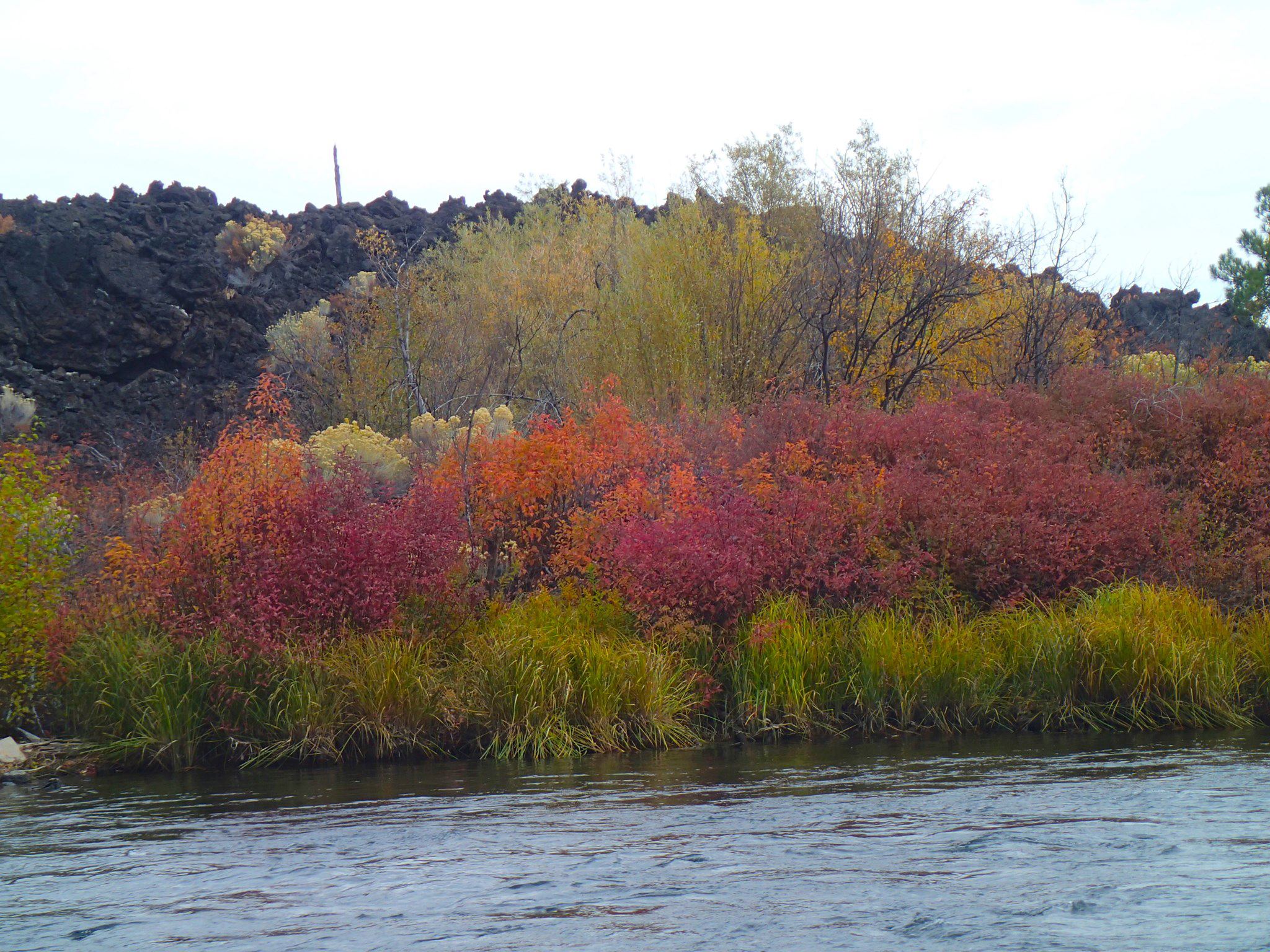
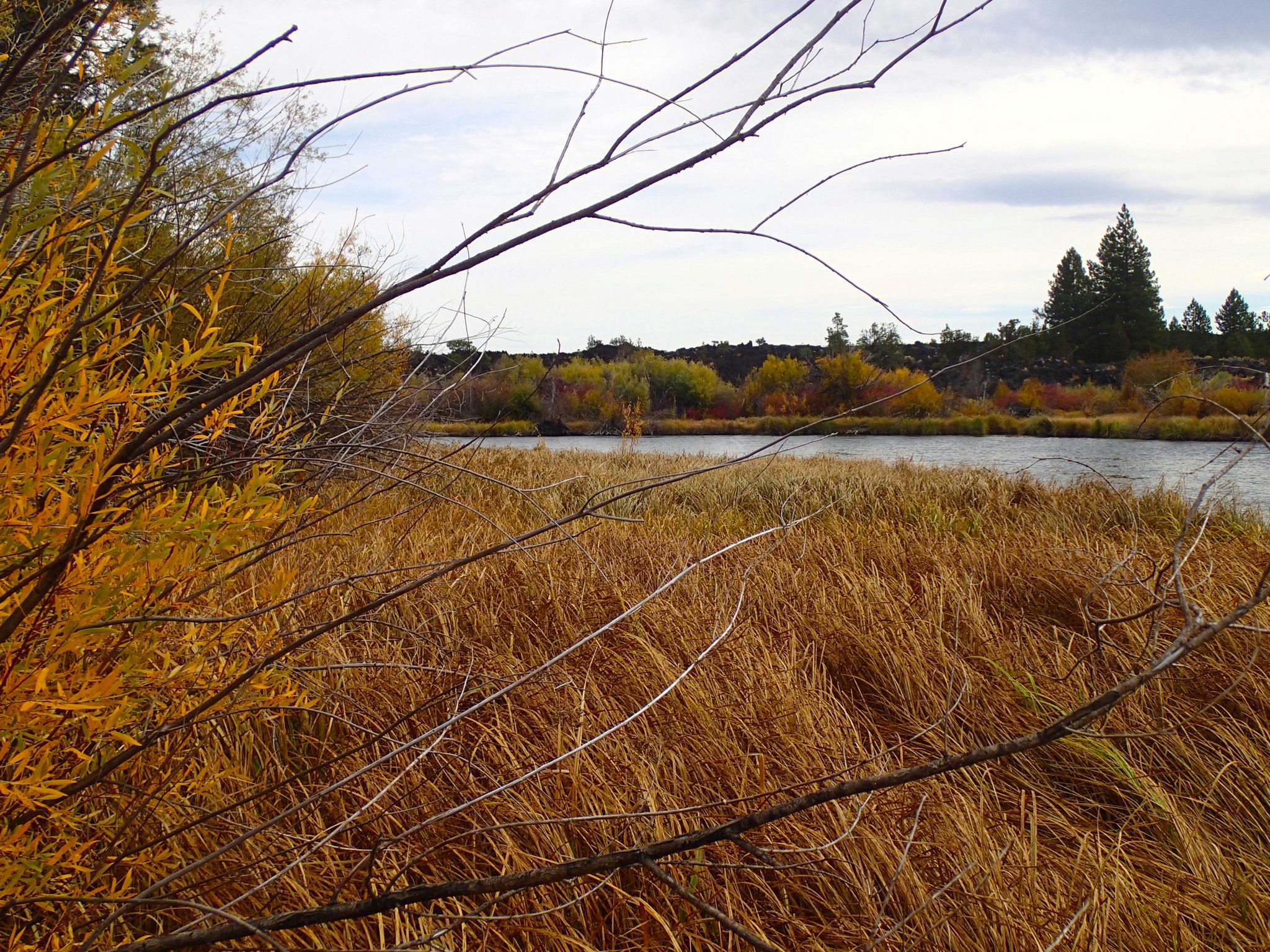
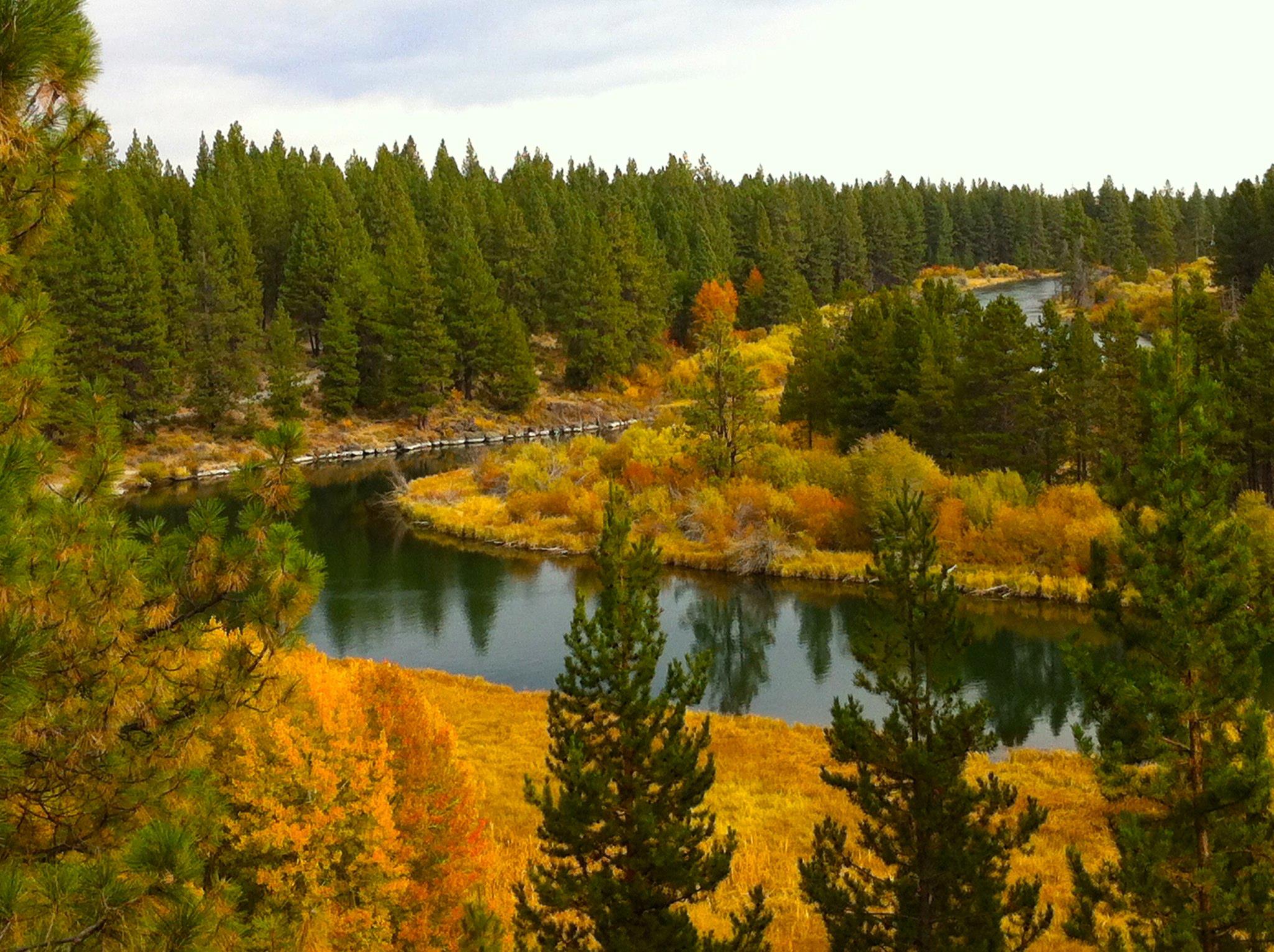
The transition from summer to fall catches us by surprise, often with a cover of clouds banking across the usually cloudless skies of the high desert region. In the next three photos, the blue of summer is toned with the gray of impending fall. With a few frosty nights under our belts, we are now being treated to the flaming reds and golds that reflect on the water and make every paddle almost sensory overload. Dennis captured a series of photos that share the diverse personality of the Dillon Falls section of the Deschutes River south of Bend. Celebrate the energy of this season. Put on your booties (and your safety gear, brrrrrrrrr if you do fall in) and immerse yourself in the brief, but exquisite, gift of fall color. Don’t forget the camera.

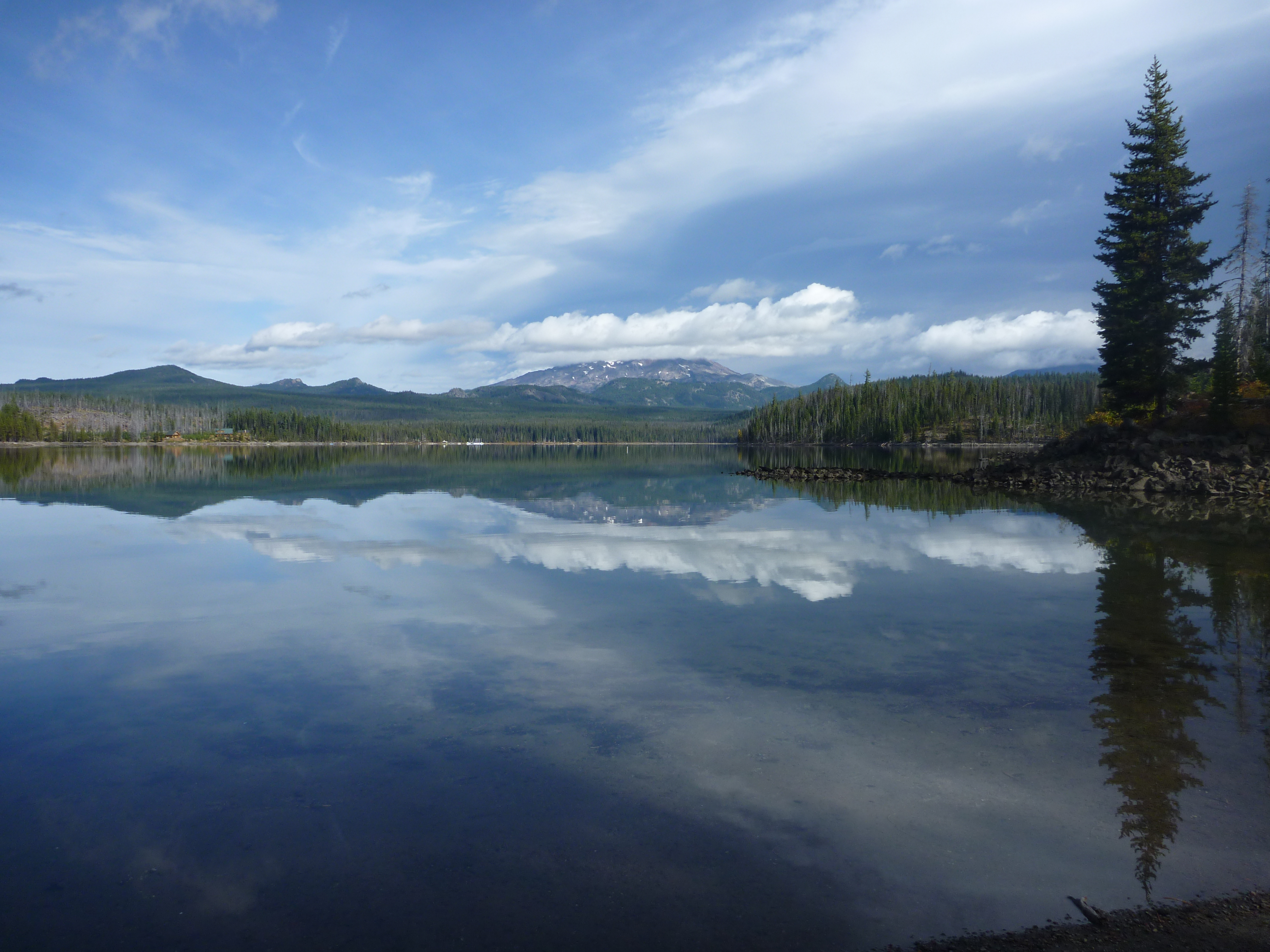
Elk Lake in the Fall. Photo by Peter Simons (Bend, OR)

Dennis Oliphant captures the serene mood of glassy water.

Healy rapids near Bend, Oregon

Photo by Dennis Oliphant

Photo by Dennis Oliphant

Photo by Dennis Oliphant