Unknown's avatar

About Water Words

https://elder-sup.com/about-2/

Summer Adventures Starboard Style

I recently saw a post on Starboard SUP Instagram that invited our stories of favorite summer adventures.
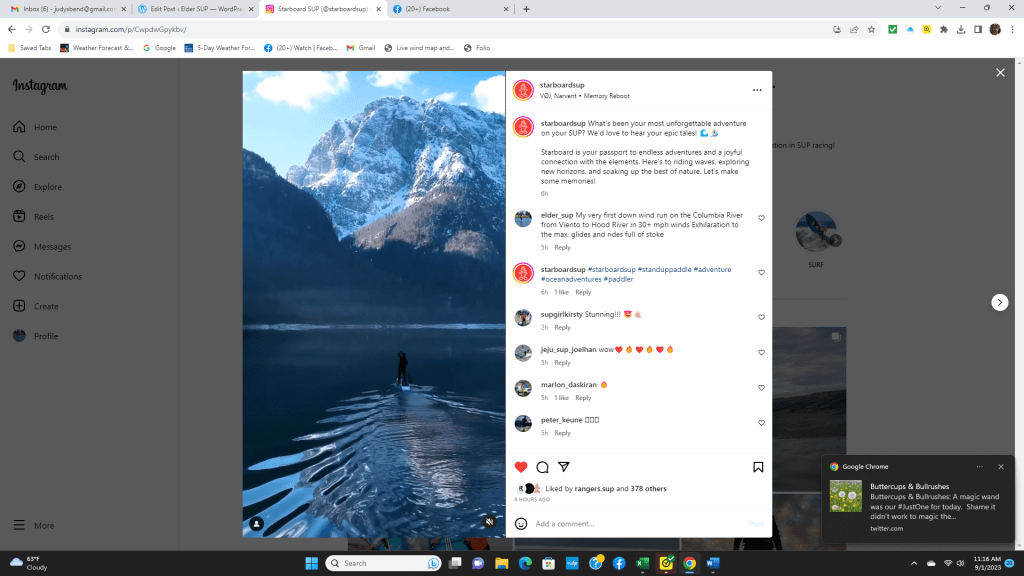
What’s been your most unforgettable adventure on your SUP? We’d love to hear your epic tales! 🌊🏄‍♀️

Starboard is your passport to endless adventures and a joyful connection with the elements. Here’s to riding waves, exploring new horizons, and soaking up the best of nature. Let’s make some memories!

Ever since 2006 I have been collecting SUP adventures in every season – but the SUMMER adventures do remain my favorites.

Way back in 2008 during a summer trip to Tofino, Ed and I dropped our standup boards into beautiful Clayquot Sound from the harbor surrounding Tofino on Vancouver Island, BC.  A haven for kayaking, whale-watching and fishing, there is plenty of water activity on and around the sound. That summer as we paddled out toward Meares Island immersed in awe at the majestic old growth forest and cold, clear waters we became aware of curious onlookers from the numerous kayak groups. Finally one guide spoke to us, “What do you call that board you’re on?”

Apparently we were the first standup paddlers they had seen in the sound. Boating and paddling in the waters of Clayquot Sound is one of the most rewarding ways to experience this environment. We thought it pretty cool that we were the first to experience it from the SUP perspective.

As with any first ascent, or first crossing, one needs to be acutely aware of the local environment. In the case of Clayquot Sound the tides and current pack so much power that it could have been a dangerous undertaking to meander around the various islands and inlets. Of course we had flotation devices and leashes, but more importantly we embarked on the first crossing with a full awareness of when slack tide and low tides would occur. We studied, spoke to locals and planned our SUP time carefully.

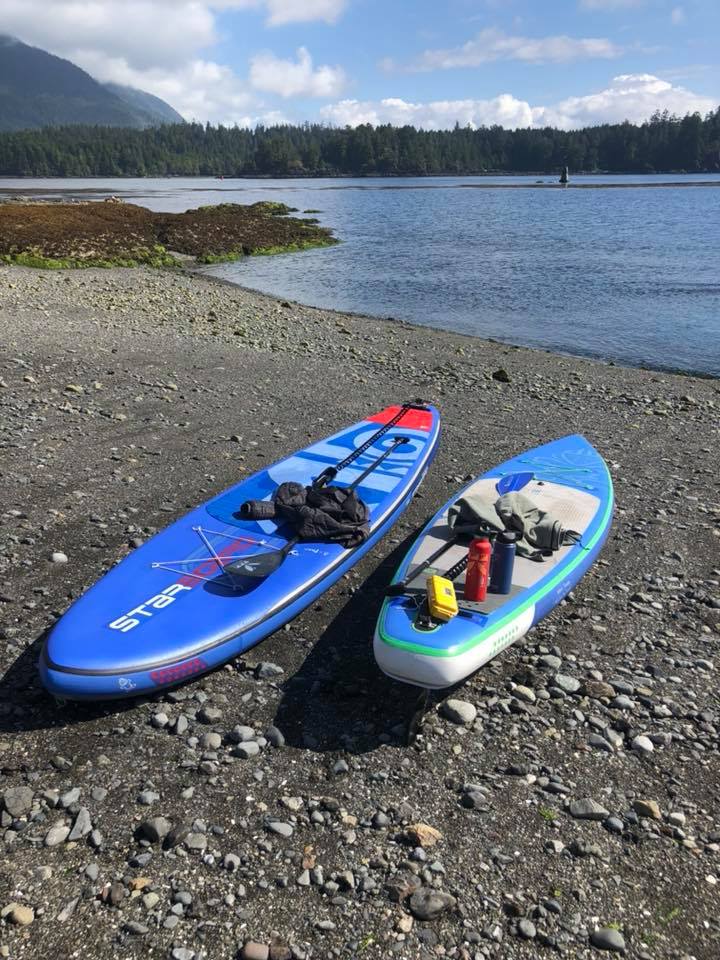
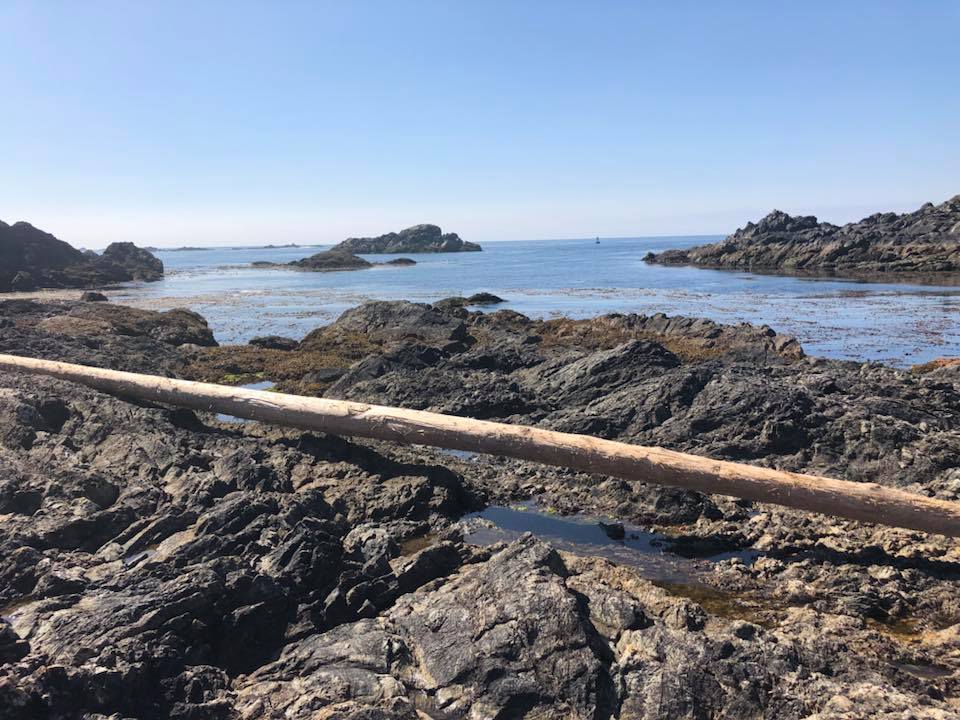
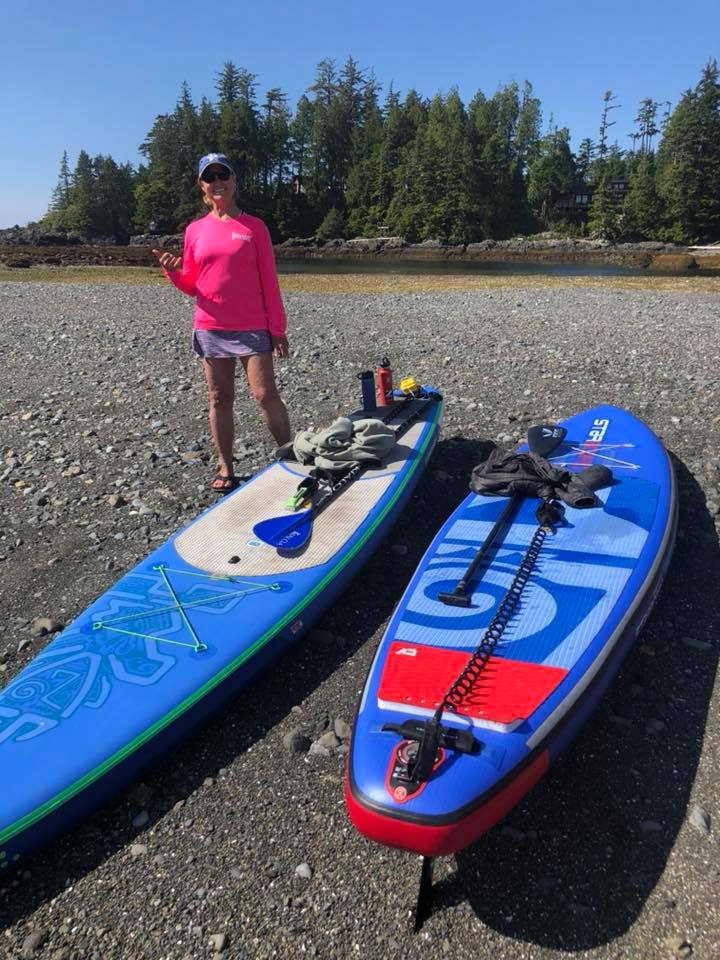
Since we recently planned and booked a Summer 2024 SUP and fishing adventure in Tofino BC I thought it would be fun to reminisce about the last time were there in 2018. Ed and I had loaded up our touring and surfing Starboard inflatables, packed a lunch and went exploring the low tide bays and tide pools between Tofino and Ucluelet. Ucluelet has long been known for a great place to escape to for peace and quiet because of the tranquil environment. If you are looking to get away for some deep relaxation in nature and with nature, Ucluelet, BC is a worthy destination.
A Green Paddle

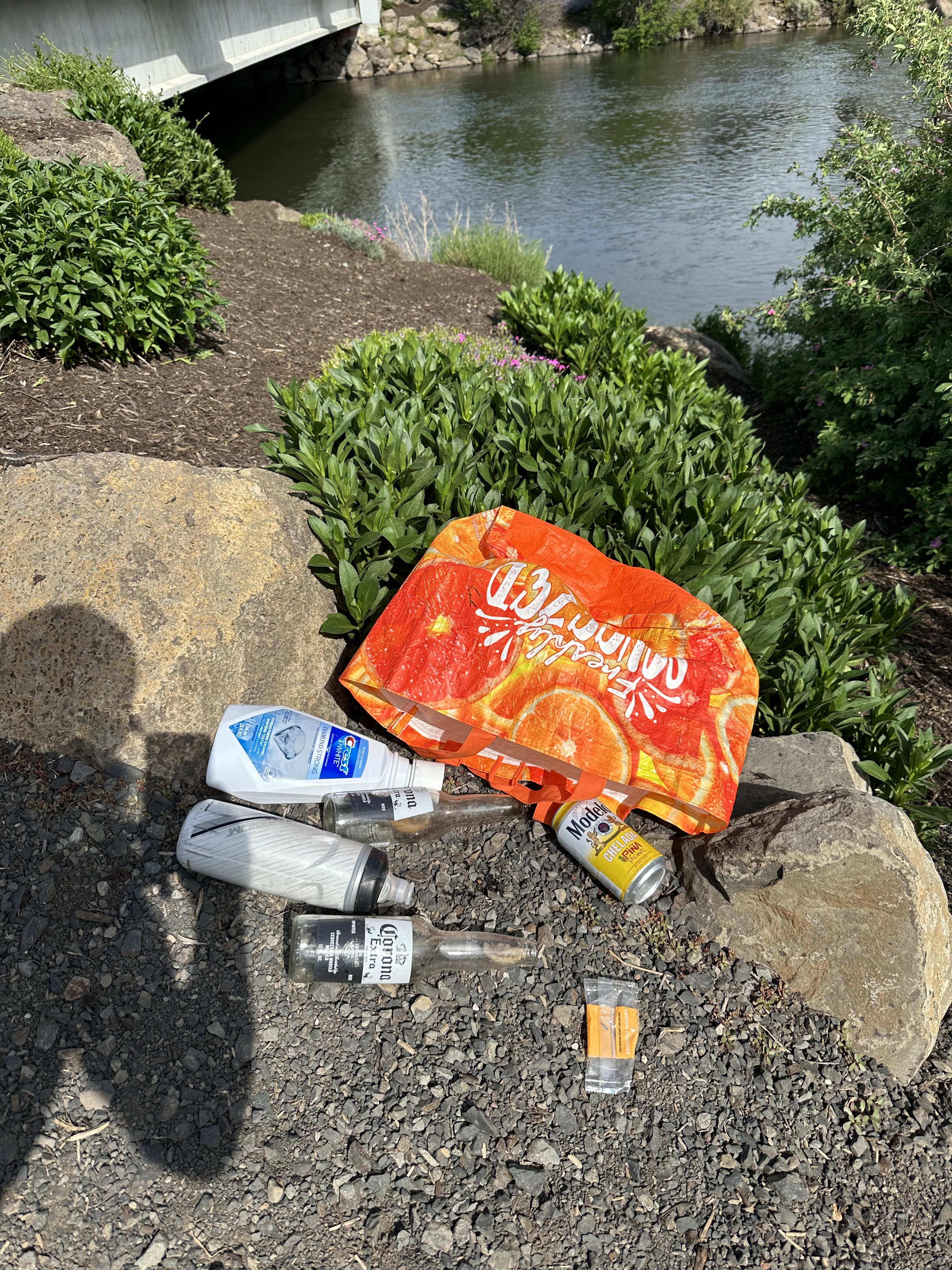
Most often, a GREEN paddle means one that has me scouring the water and the beaches for plastic and litter. This paddle was not different. I found several plastic items, a bathing suit, some lids and a discarded beach towel. But for this paddle, the GREEN was not only my eco-efforts. It references the actual color – GREEN.

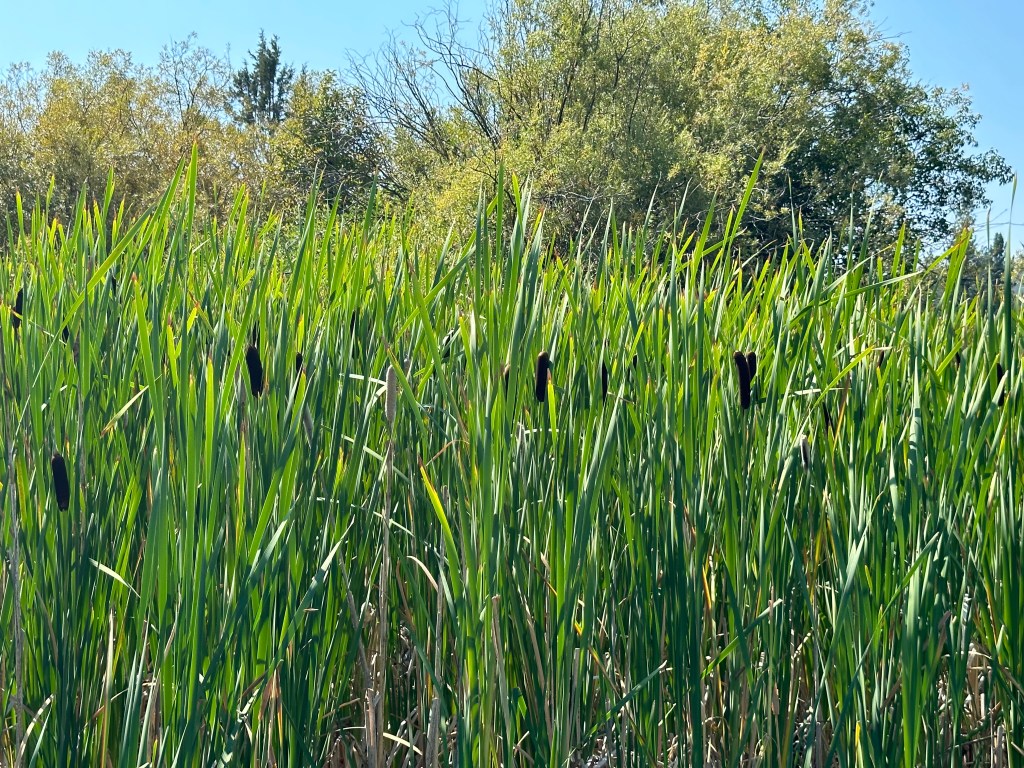
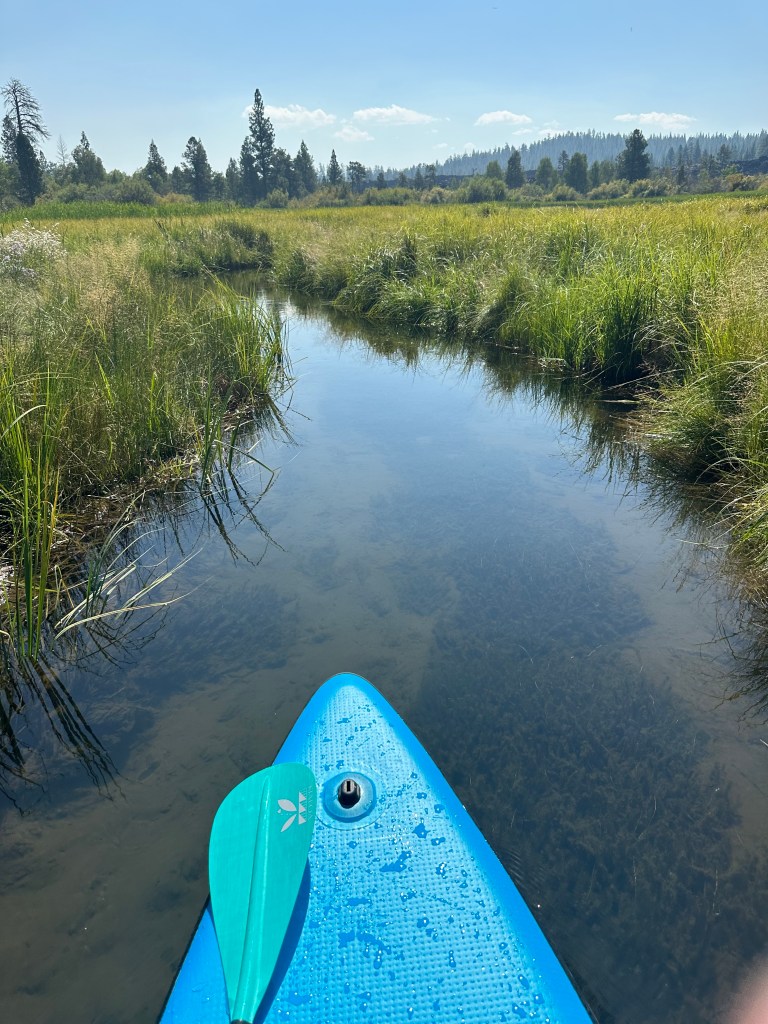
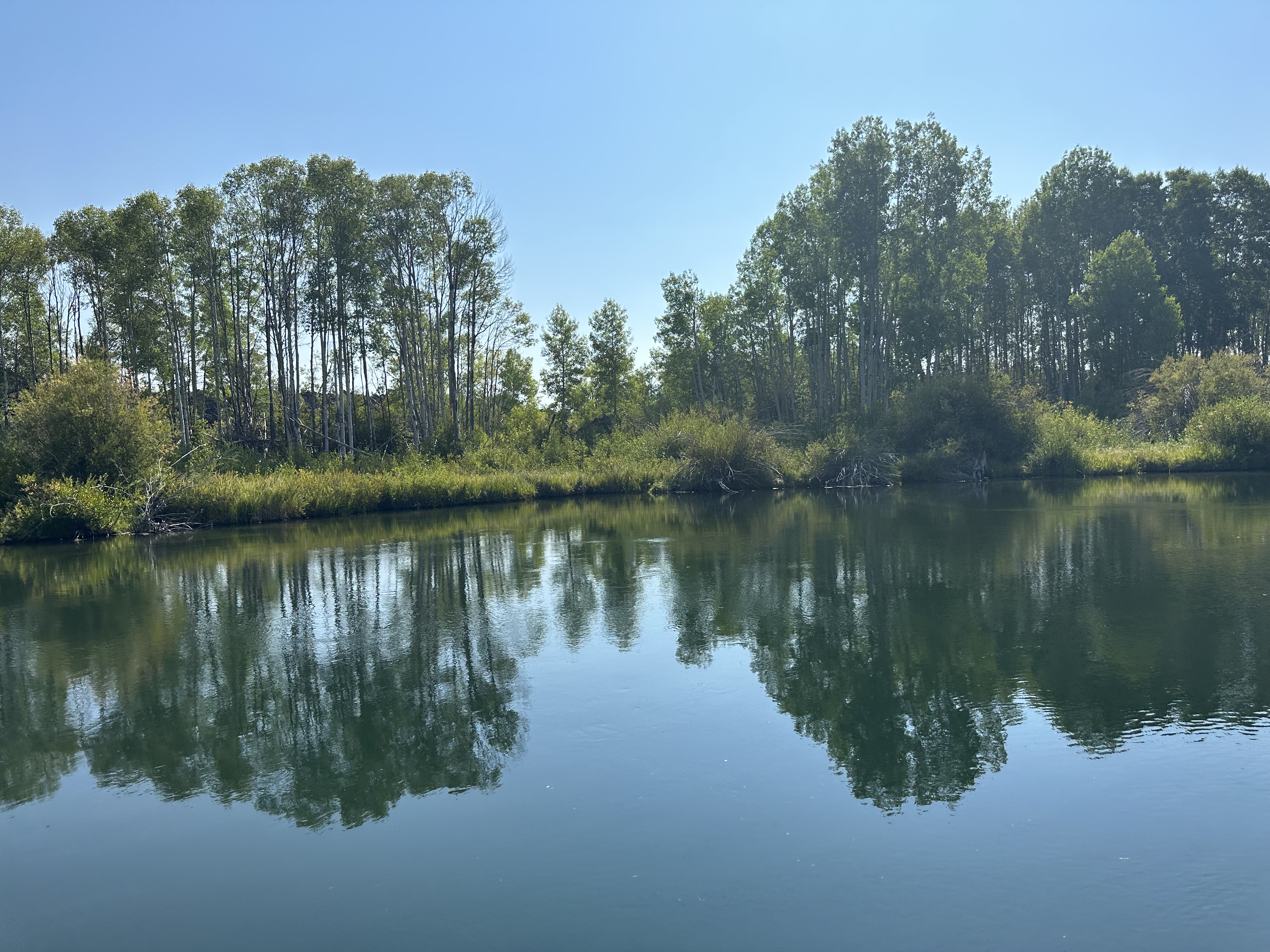
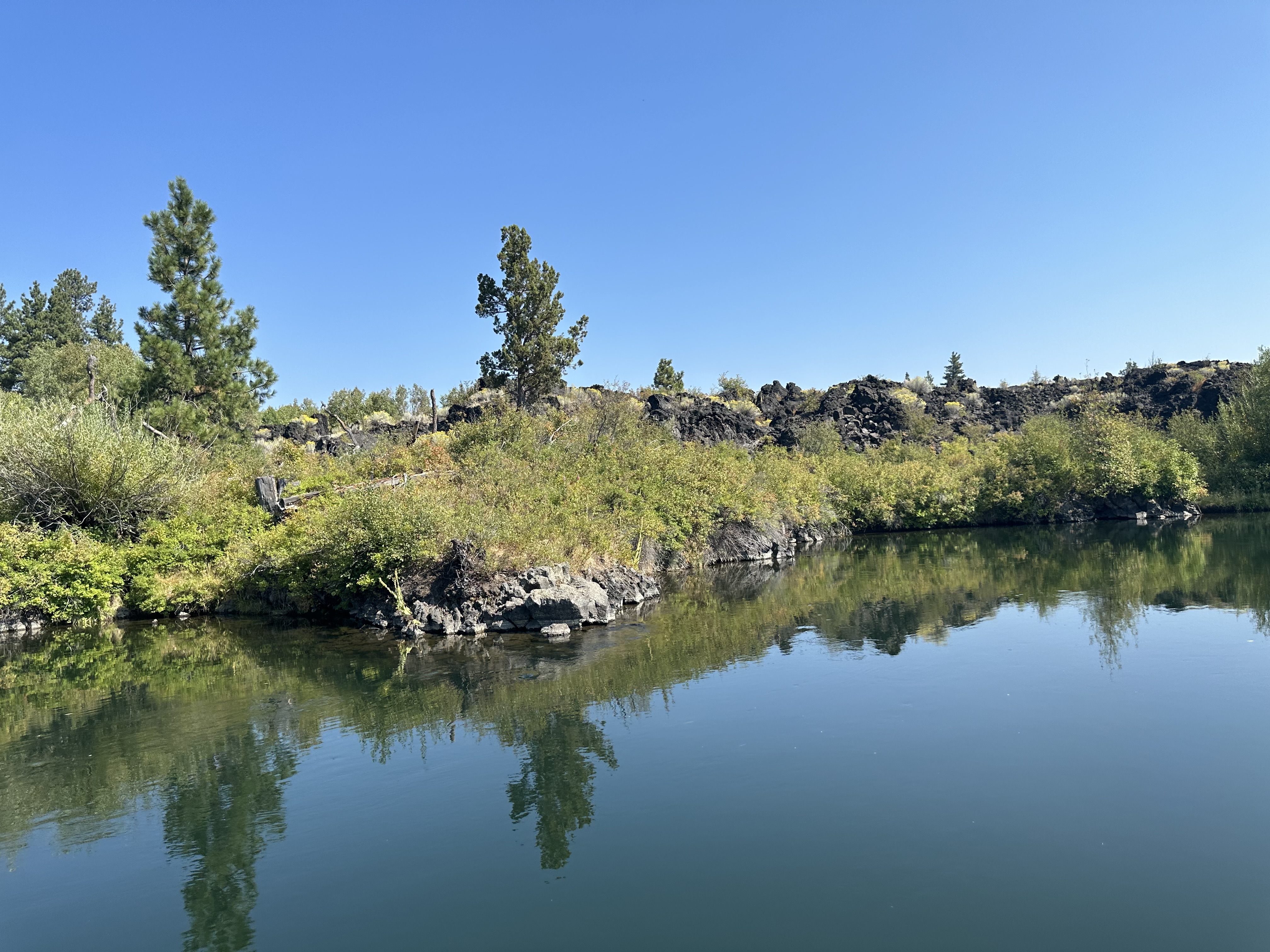
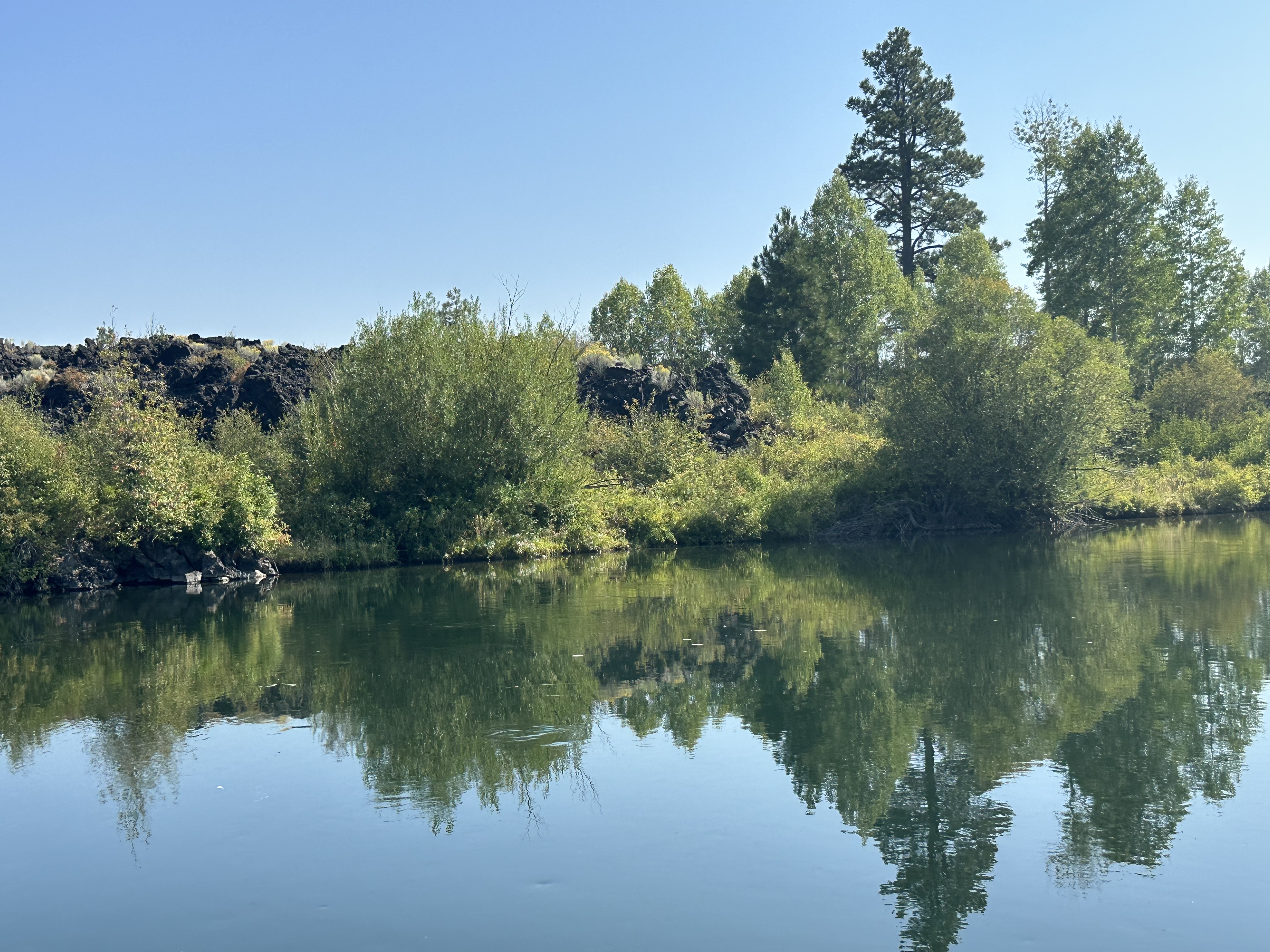
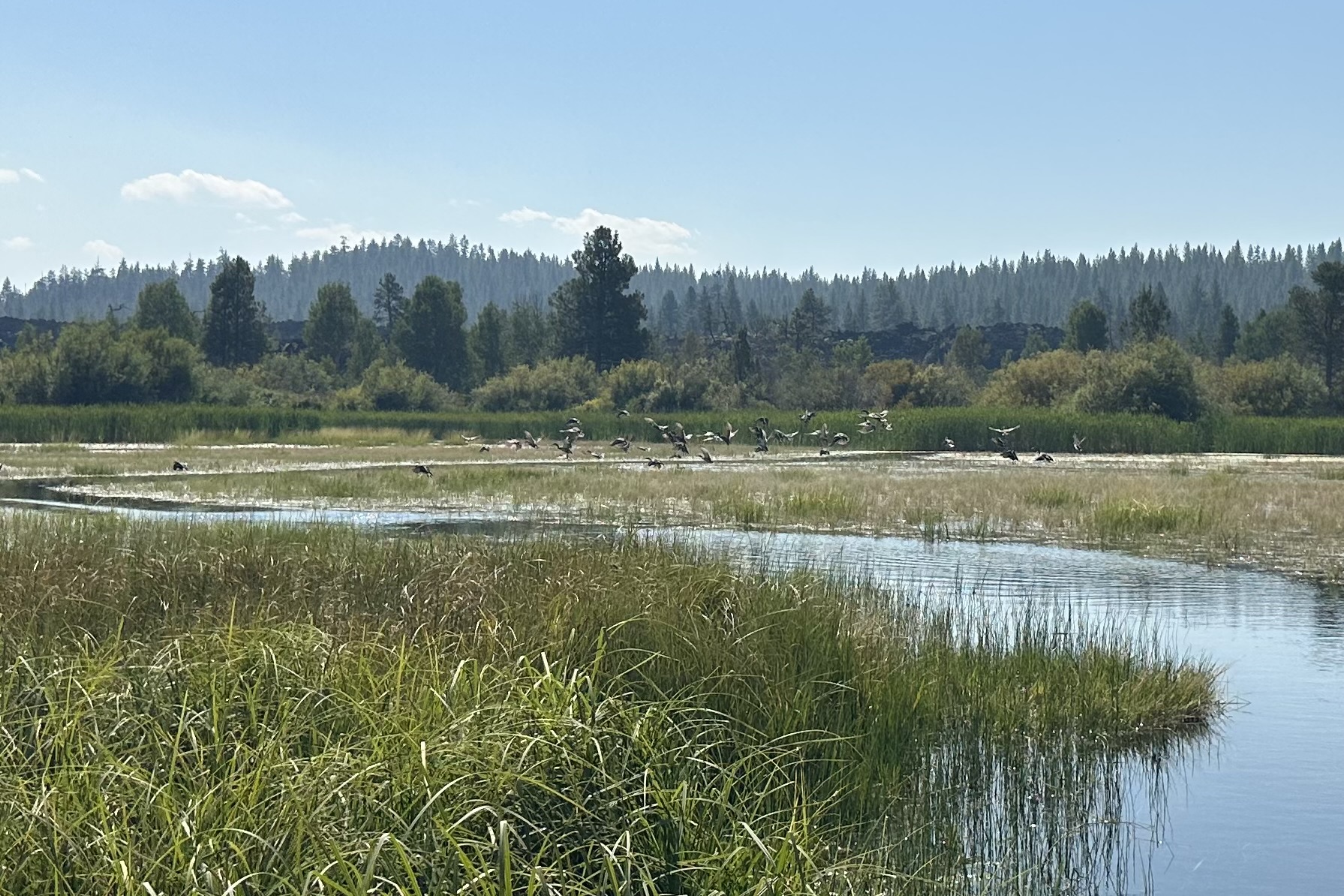
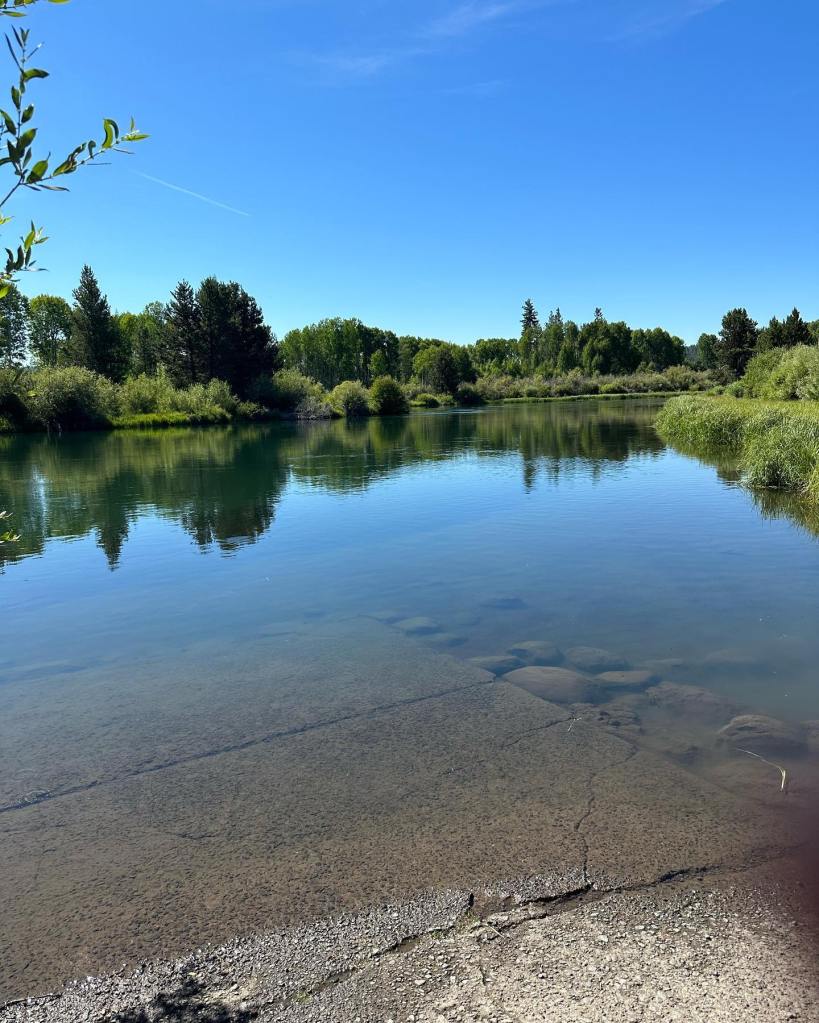
After several weeks of unhealthy air quality due to wildfires across the Pacific Northwest, this morning dawned clear, smoke free and about 30 degrees cooler than the average 90 of the past weeks. I arrived at my favorite put-in along the Deschutes River to find glassy calm, an almost “autumn-like” tinge to the air and no other paddlers. It was a day to cherish – and I did.

My usual paddles are all about the BLUE. Blue skies, blue water and my brilliant blue 12’6″ Starboard Zen construction paddle board. But with a hint of Fall in the air and the day being so exquisite, I could not help but appreciate the GREENS.

These greens will soon become the myriad of colors that beckon in Fall. A few months later, the browns and whites of winter will color my favorite river sections. So for today, I savored the green. I hope you enjoy it with me – and get out on the water every summer gorgeous day you can.

Obsessed With Water

You know the kid who always has to jump in a puddle (even when wearing shows and socks) or the one who begs, “just a little while longer.” when it’s time to leave the beach? That kids is – and always has been – ME!

And weather doesn’t really matter – sunny or stormy, hot or cold. With the right clothes, equipment and attitude, all days on the water are great days.

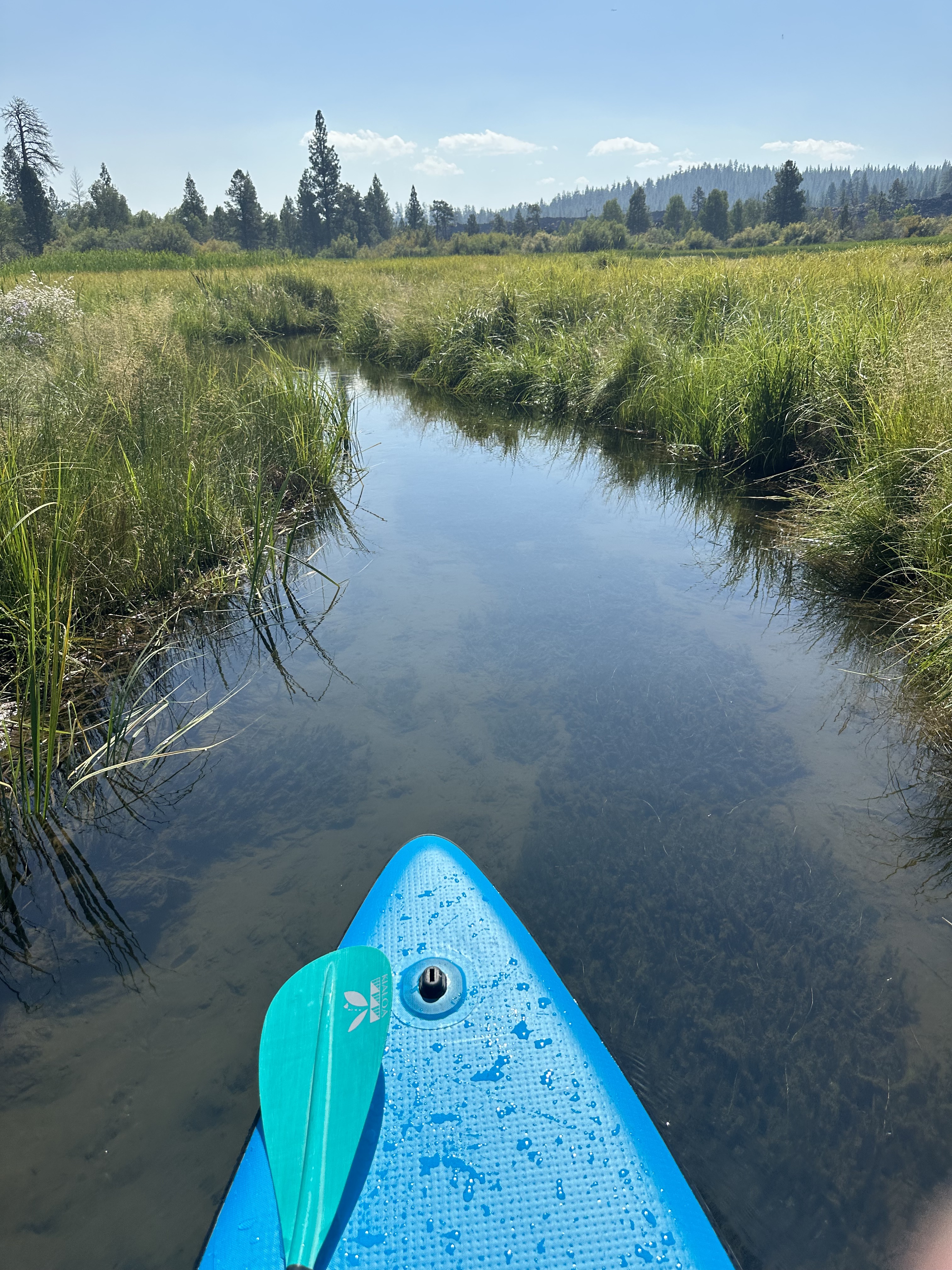
A recent Sunday morning delivered a glassy river paddle and a sense of happy wonder. It was truly a zen-like experience. And I was paddling my Starboard Inflatable 12′ 6″ Touring board with ZEN construction.

A few days later I paddled upstream in wind and a strong, rippling current. That intense effort switched to the bumpy goodness of a down stream down-winder all the way back.

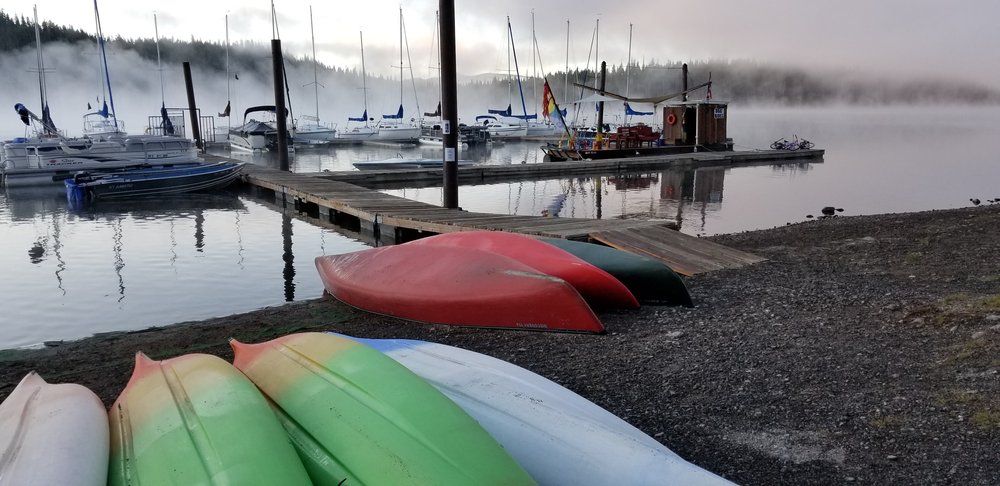
Lake time can be no less diverse. My favorite local lake is bordered by Elk Lake Resort and boasts a number of great beaches to launch from. Early morning can usually guarantee a calm 4.5 mile meander around the perimeter of the lake.

By mid afternoon the wind fills in, often sporadic or gusty. Early morning thermals drift like lazy bubbles on a hot, summer day. The air ahead of these thermal bubbles is light and variable. But most afternoons these thermals create gusts–called cat’s-paws–50% higher than the true wind speed. Cat’s-paws appear as rough, dark patches on the water.

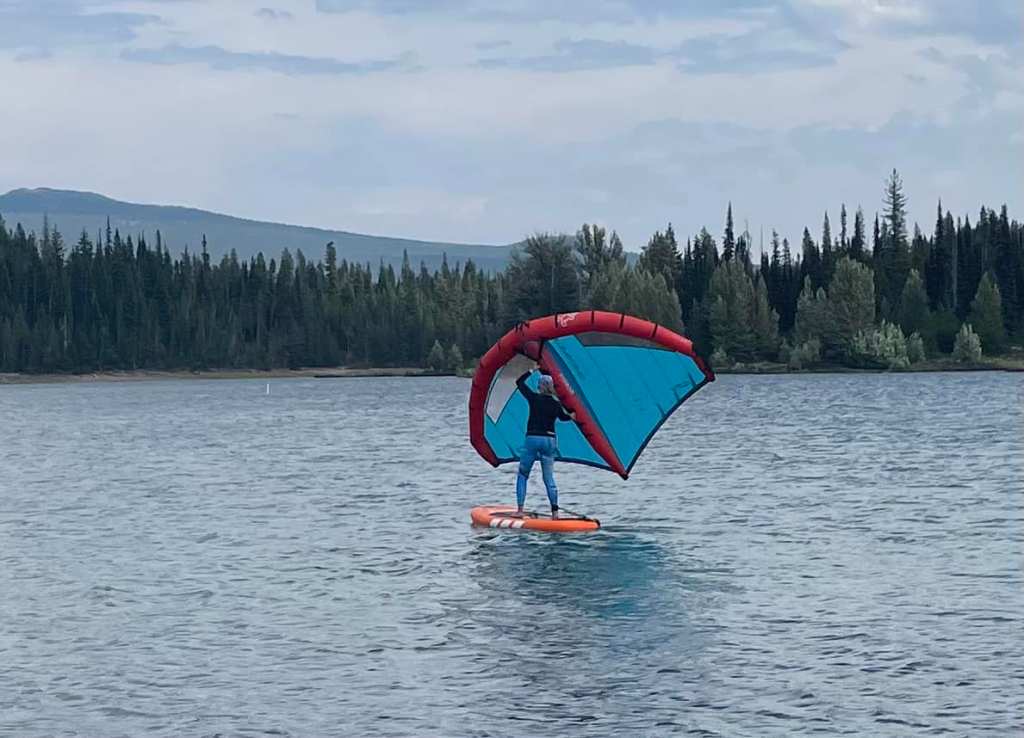
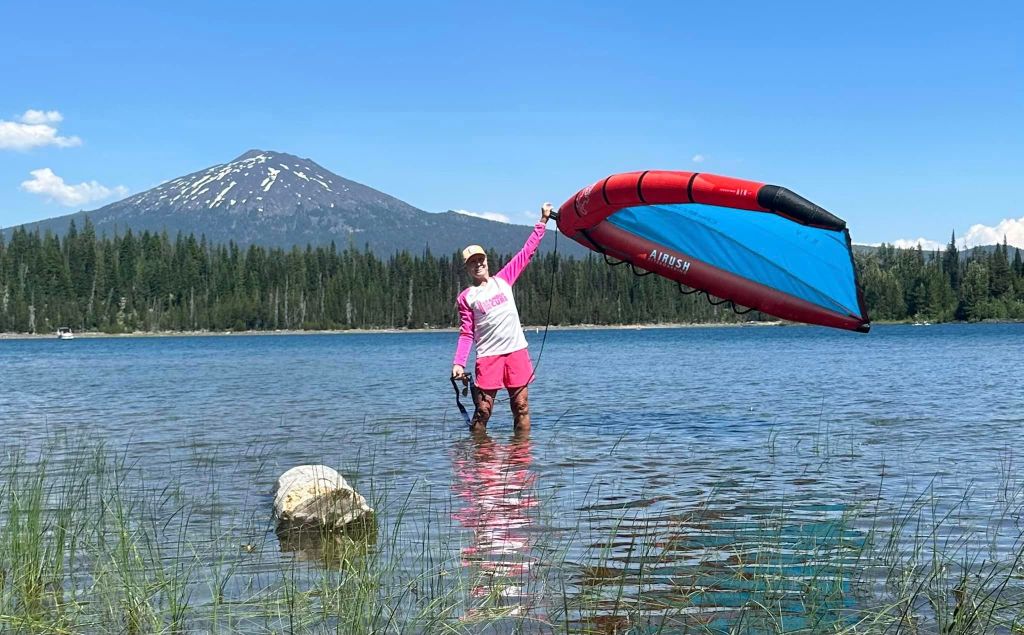
Hold on for the quick acceleration and set your wing trim for a lift as the gust arrives. I am using my FreeWing AIR V2 (5M). It’s one of the toys that add to my wonderland of fun on the water. Check out the full array of Starboard wing options here!

Mangroves Are Mighty!!

It’s a fantastic feeling to purchase a product for a sport you love – and know that our Oceans and environment are better for it. That’s the commitment Starboard has lived up to.

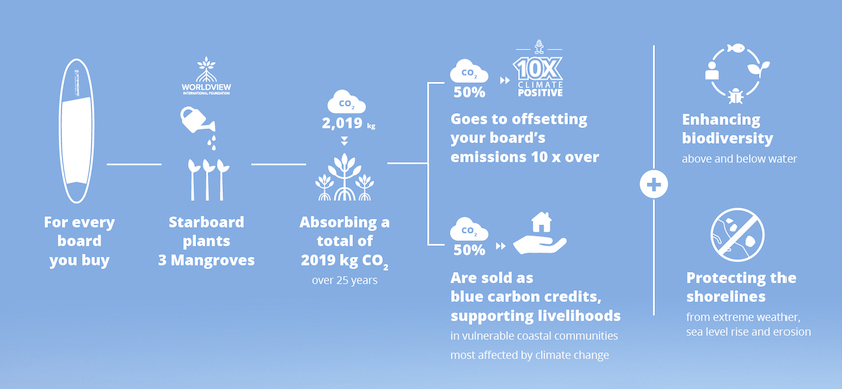
For every board, Starboard plants 3 Mangroves, offsetting the board’s CO2 emissions more than 10X over.

Starboard has partnered with Worldview International Foundation to undertake the project. Why Mangroves?

From the Starboard Blue website Each of us generates an average of 4.7-tonne CO2 emissions per year, the major cause of our climate problems. Mangroves are some of the most efficient green machines to help counter this, as one tree absorbs 673 kg of VCS CO2 over 25 years. Further, each mature tree produces enough oxygen for four people.

Mangroves also protect coastal lives and properties from extreme weather and increase ocean life by 50%, as well as the area’s general biodiversity. Starboard’s initial aim is to plant 100 million mangrove trees together with WIF, absorbing 67,3 million tons of CO2. There is a potential to plant over one billion mangroves on available land in Myanmar.

From the Starboard Blue website (you can also click the image below for more) The 3 Mangroves draw down a total of 2019 kg CO2 (3 x 673 kg) over 25 years. Half of this (1008 kg) goes to offsetting the board’s emissions 10X over; an average emission of a Starboard is 100 kg CO2. The other half gets sold as carbon credits, where the proceeds go to supporting livelihoods in vulnerable coastal communities.

Additionally to the 3 Mangroves per board, Starboard calculates and report Starboard’s total carbon footprint annually across scopes 1, 2 and 3. They then offset these emissions 10X over, as well as the footprints of events they have supported, leaving Starboard to be 10X Climate Positive. Through the footprint calculations and offsetting, Starboard aims to be completely transparent about its impact on the planet, as well as to showcase a way of turning negatives into positives.

FORE! Golf Ball Alert

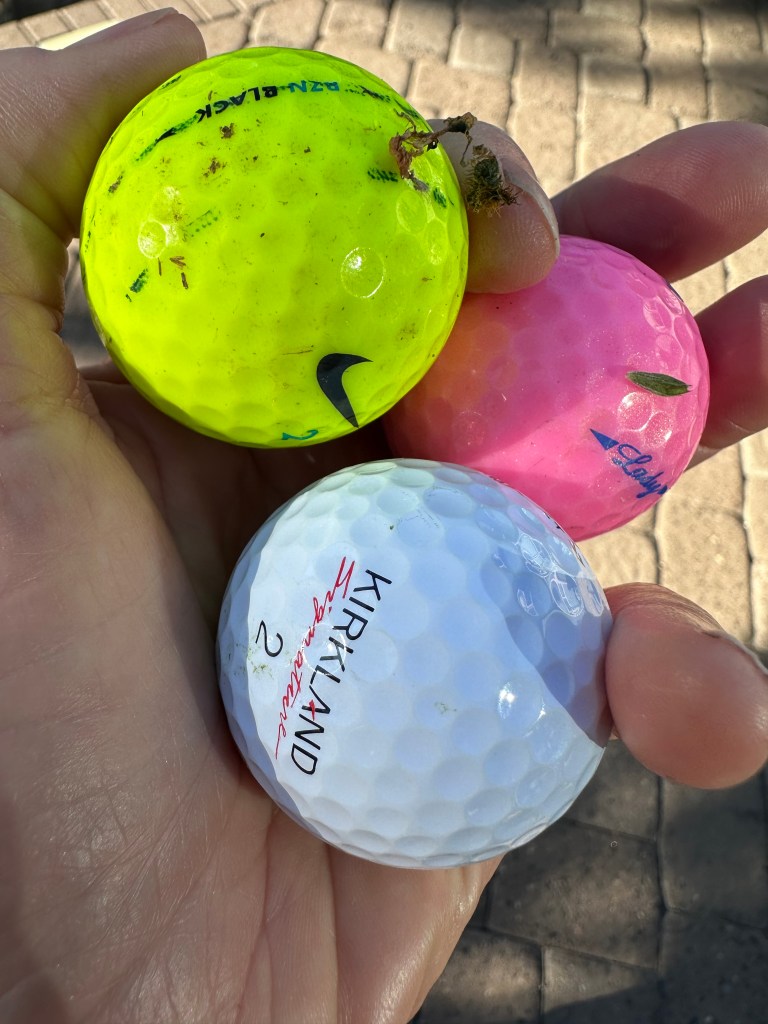
I often paddle is an exquisite stretch of river just 10 minutes from my home. I rarely find any litter at the put in and the single beer or soda can may show up along the way – but I almost always find some golf balls.

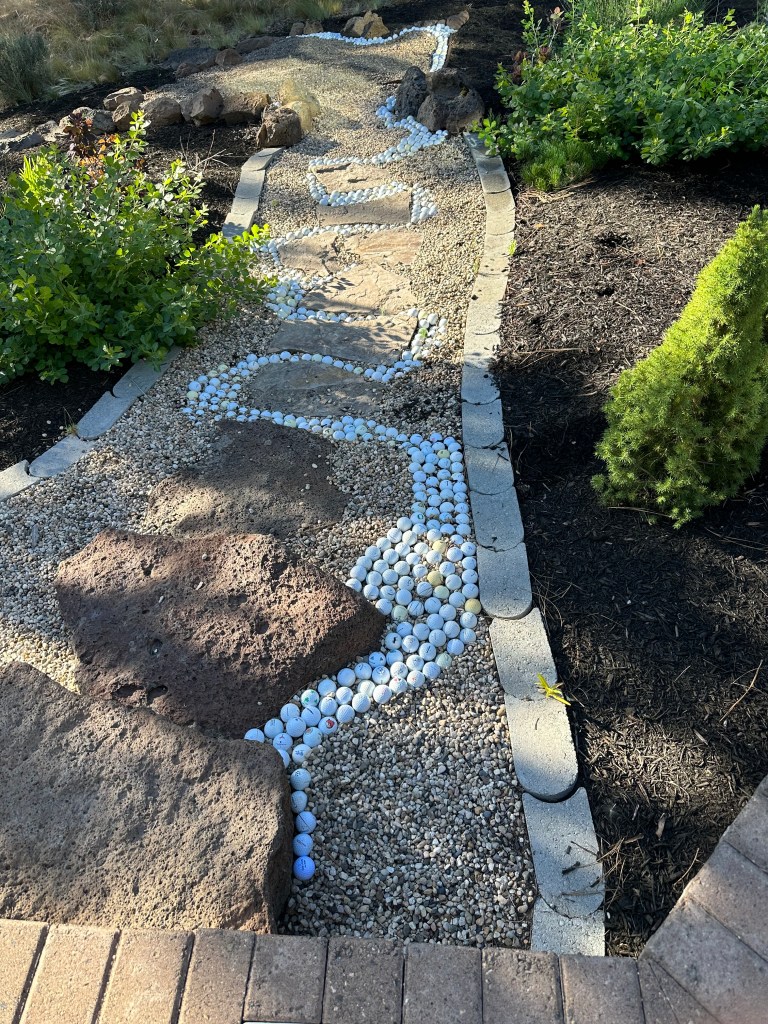
I have been collecting golf balls found on land and in nearby lakes and rivers for years. Over 1,000 golf balls decorate my walking path. During my last paddle I only found three golf balls, but it got me thinking. How much impact do golf balls have on the ocean, a lake or a stream.

I discovered some answers online. It’s reported that hundreds of thousands of golf balls are being found in both freshwater and saltwater sources, there’s clear evidence that the answer to the question, “Are golf balls bad for the environment?” is a resounding yes.

You can’t escape the fact that, just plastic and other manufactured substances, golf balls are essentially litter. In both fresh and saltwater they are bad for the environment and those bodies of water. Golf balls will eventually leach plastic into the water causing issues for it and its ecosystem. 

On my last paddle I collected just the three golf balls I saw, but that is nothing compared to the actual problem. Why are golf balls dangerous for the ocean, and what is being done to remedy this problem? The answer is both thorough and lengthy. You can go directly to

Or you can read what Matt (author of Just Golfin’) shared on his website here.

Into the Ocean Instead of Into the Hole

While we have known about plastic in the ocean for years, there wasn’t a particular emphasis on golf balls and their impact on marine life until a 2019 research paper was published in Marine Pollution Bulletin. 

According to the research paper, the team collected 39,602 golf balls from coastal environments associated with five golf courses in California from May 2016 to June 2018.

When efforts were helped by the Monterey Bay National Marine Sanctuary and the Pebble Beach Corporation, this came to a total of 50,681 golf balls until the paper was published. 

This equaled approximately 2.5 tons in debris. The researchers have estimated that almost 62lbs of material eroded from the balls they recovered.

The Dangers That Golf Balls Pose To The Environment

Despite the ever-increasing scale of the problem, people continue to ask, “Are golf balls bad for the ocean?” because they don’t fully grasp how these synthetic objects can cause damage. The answer is simple: golf balls don’t sit in one place. 

They get moved around, and they corrode, causing environmental damage and even endangering marine life.

Are Golf Balls Biodegradable?

Research from the Danish Golf Union has shown that golf balls take about 100-1000 years to decompose naturally. With 300 million balls lost in the U.S. alone and plenty of these ending up in our waters, this means that the golf balls will be sticking around for a long time.

Are Golf Balls Toxic?

Many people don’t understand the problem since they don’t think of golf balls as toxic. However, they don’t understand that the decomposition process involves golf balls being dissolved and thoroughly breaking down. 

During this process, the balls leak petroleum and high levels of heavy metals such as zinc which can then attach to the ground and poison marine life and plant forms. In addition to worsening the microplastic problem, golf balls in the ocean also leak chemical pollutants.

According to Hakai Magazine, the planet has over 32,000 golf courses, with many of them situated next to the ocean. With approximately one billion golf balls lost every year, a lot of this plastic (almost 100 million pounds worth) is bound to end up in the ocean.

It’s easy to make the leap from the concept of a seemingly innocent golf ball in the water to all the rest – and the list is endless. Beginning with the most unnecessary and ubiquitous one – the plastic water bottle. But that is a story for another day.

A Wing, a Zen and Fun

Summertime at the lake. I was born and raised an ocean girl, 52 years living in South Florida playing in the Atlantic. The first few decades I resided in Oregon had me exploring mountain trails in a land-based plethora of fun. Then in 2006 I had the chance to paddle on a stand up paddleboard – tentative at first but HOOKED!

Over the next years there was barely a pocket of water – lake, river, stream or creek – that I didn’t paddle. My favorite spots were even more wonderful when the wind was light and the water glassy. The next eye-opener for fun was a wild 20-30+ mph downwind run on the Columbia River. Wind was suddenly my paddling friend! From there it wasn’t long before wind, waves and the North Shore of Maui beckoned me to explore the run from Maliko Gorge to Kanaha Beach Park, a gnarly 8 mile downwind adventure.

But there were still those exquisitely glassy paddles when clear alpine lake water or early morning dawn patrol paddles to love. In fact, when I would get to my favorite lakes and discover that the wind was already gusting, swirled by the mountains’ impact on air currents I would not be so thrilled. Then last summer I got the “golden ticket!” For my 73rd birthday in June 2022 I was thrilled to get the Starboard 4-in-1 10’4″ inflatable and a quiver of three Starboard AirRush V2 FreeWings. YES! I began to seek out the afternoon winds!

Over the winter exploring Tampa Bay, the Gulf of Mexico and other Florida waterways I had an exhilarating great time! My new routine is to head to the water with my 12’6″ Starboard Zen Inflatable Touring board while the wind has not yet picked up. Little by little as the day wears on – the wind usually becomes wonderful. Winging has given me ….. well, WINGS!!!!!

Summer is short here in Central Oregon. Every available opportunity to get on the water bare foot and warm is treasured. And now, wind or no wind, I am an extremely happy water woman.

Are the Dunes Done?

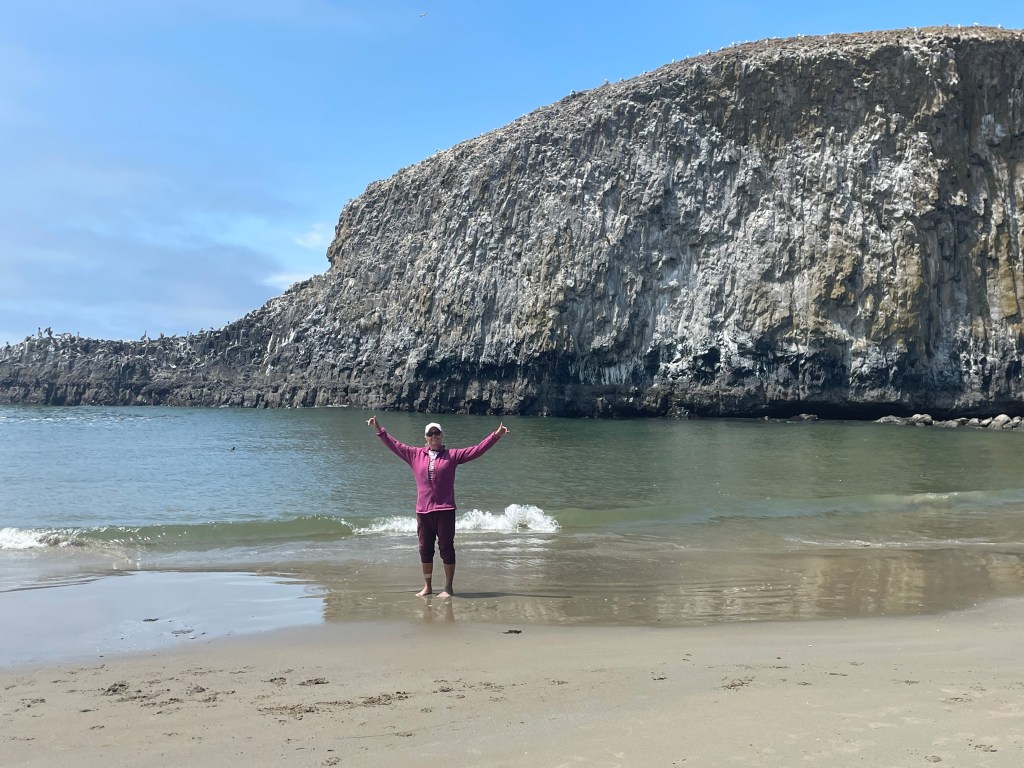
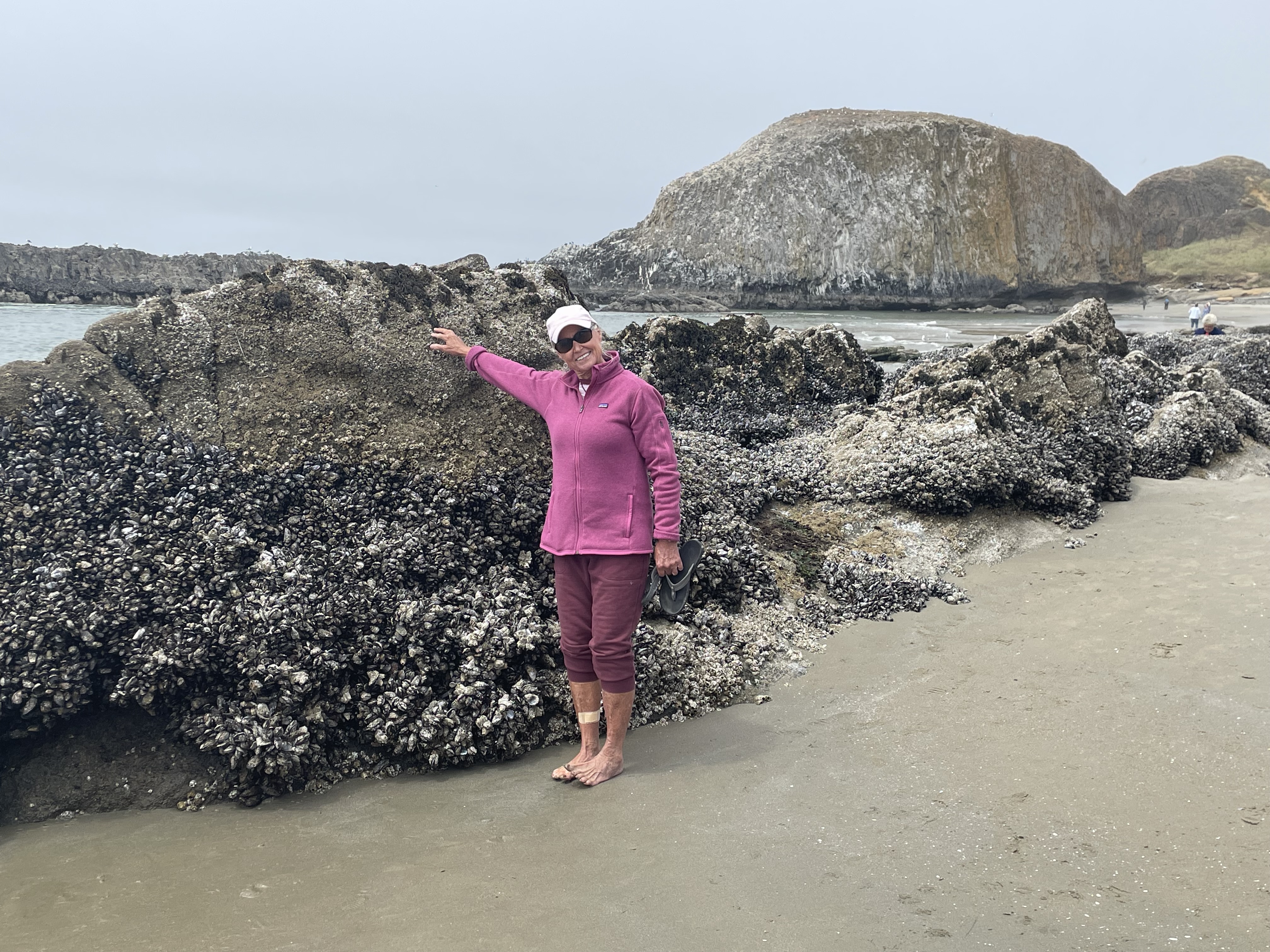
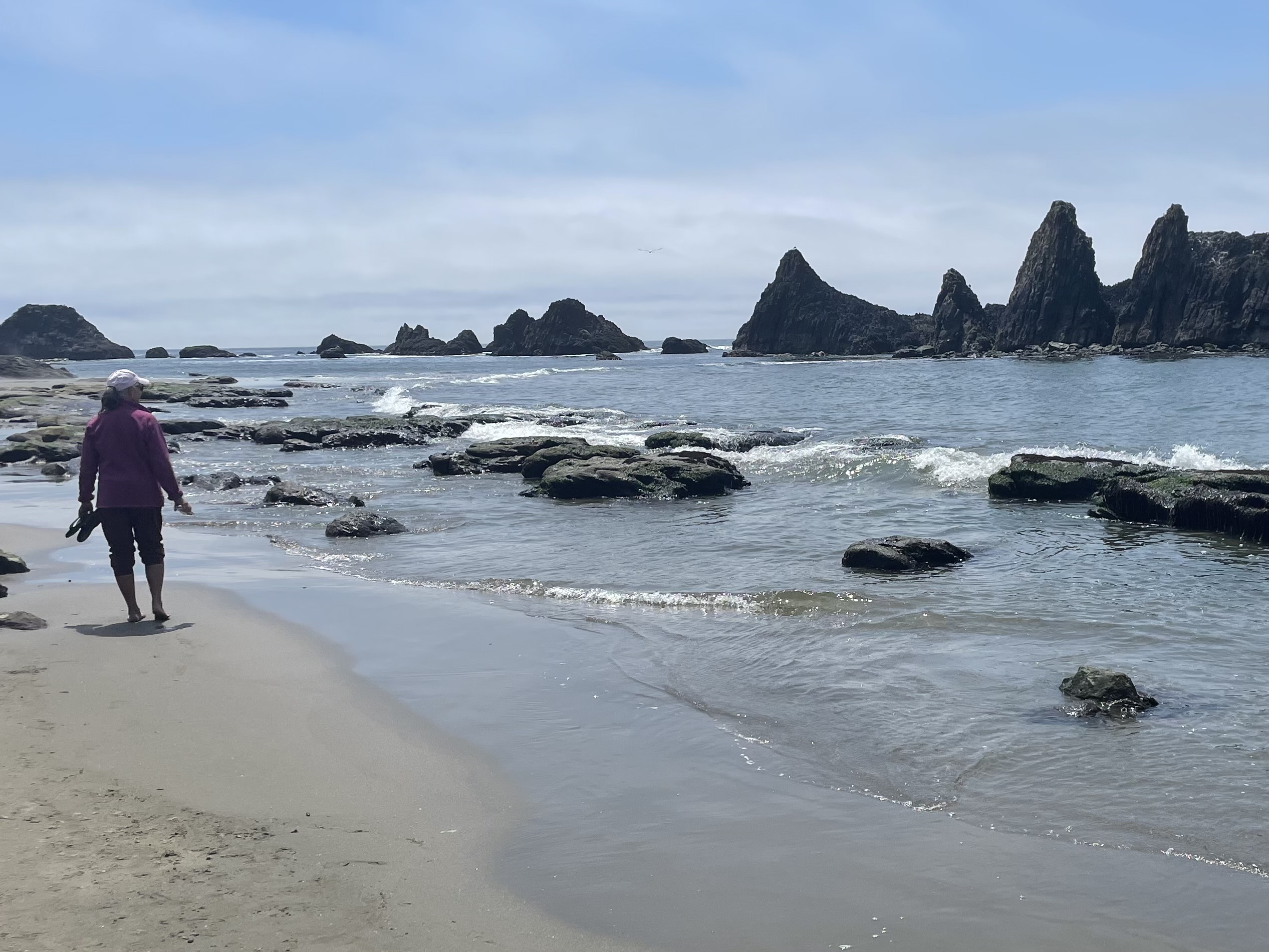
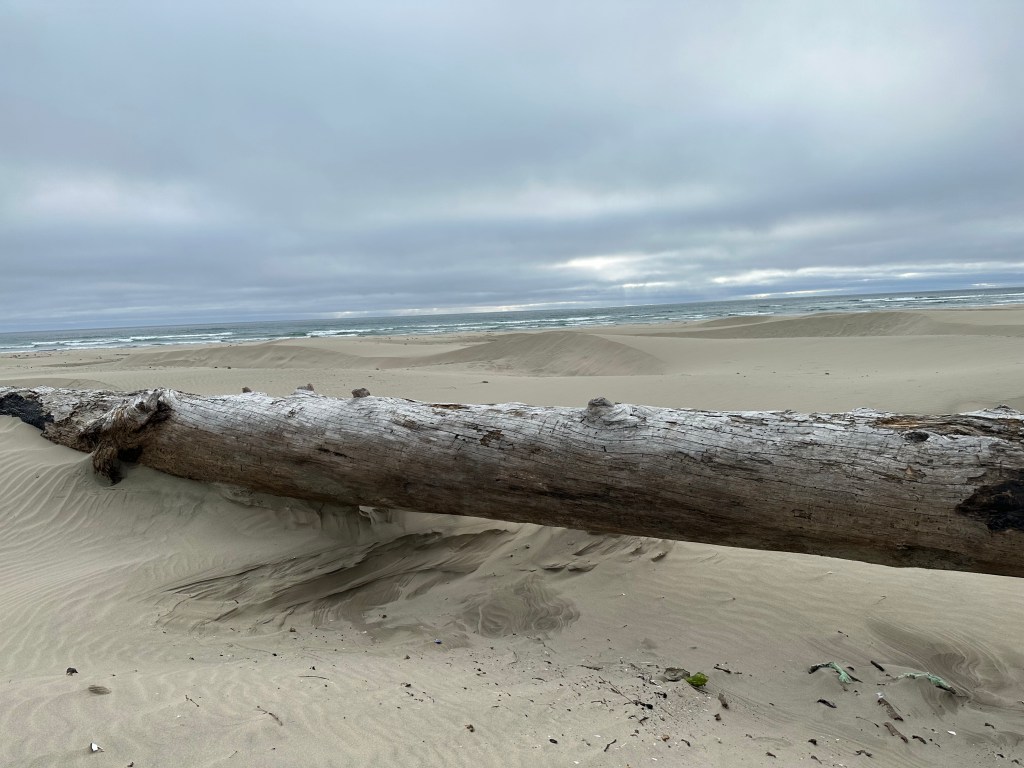
We took a quick trip to the Oregon coast early this week and were greeted by waves and views that instilled wonder. From the protected cove sheltered by Seal Rock to the dunes at Agate Beach we hiked the beaches and exclaimed over the beauty.

It wasn’t until the last walk in the evening as we trekked up and down the rolling dunes that I noticed something besides rocks and sun-bleached shells crumbled in the sand. If you click on the photo of the massive beach log and look closely at the sand in front of it – it’s all microplastics!

Once I really SAW the microplastics, I couldn’t un-see them. They were truly everywhere. It would take a team of hundreds sifting the sand to clean even the amount in the relatively small are where we had walked. How did I miss seeing that earlier – after all, plastic debris is always on my radar.

Animals can mistake small, often colorful microplastics for food. This can lead to the introduction of toxic chemicals to the animal and has been known to lead to digestive blockage in fish, seabirds and turtles. . A Seaside (Oregon) based conservation group Sea Turtles Forever wants to make a difference.

They clean the sand using a unique screen filtration system. Developed by Sea Turtles Forever founder Marc W. Ward, the systems look like a cross between a medical stretcher and a flour sifter. Dirty sand is piled on a sheet of fine mesh stretched between two long poles, and the mesh catches plastic and other foreign material while allowing the sand to fall through. According to Ward, a static charge in the mesh can catch plastic particles as small as 100 micrometers across.

The result? An area of silky, pure sand free of plastic litter — especially the tiny bits that pose a threat to wildlife. You can watch the group in action here.

Besides making your own personal choice to bring re-usable food and drink containers when visiting the beach, picking up what you see, or maybe even making on of may types of sand sifters – you can learn about local groups you can assist in their larger strategies against microplastics.

Because we paddle and surf, it’s great to know that the brand we purchase can make a huge environmental difference. One example is Starboard Blue. As a producer of plastic-based products, Starboard introduced plastic footprint reporting after pioneering work with the Ocean Recovery Alliance. In 2017 the world’s first Plastic Offset Program was launched. Starboard offset parts of their plastic footprint through their POP initiative. Every day their own team collects beach/ ocean plastic litter. They have collected more than 657 578 kg over the past years and are continuing to expand and improve the program by sourcing recycling sites to process the collected waste. Starboard is working with VERRA to become one of the first projects certified under the Plastic Waste Standard.

Are the beautiful dunes of the Oregon coast doomed? Not if we add to the momentum of advocacy, sustainability and action.

Plastic Free Pride

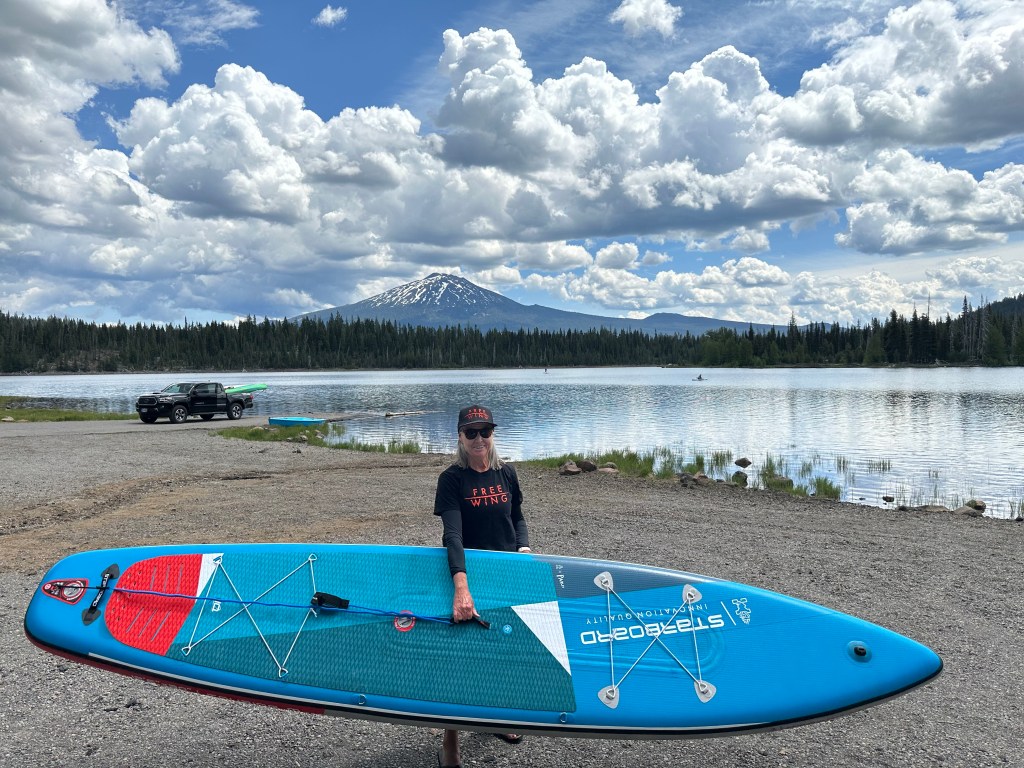
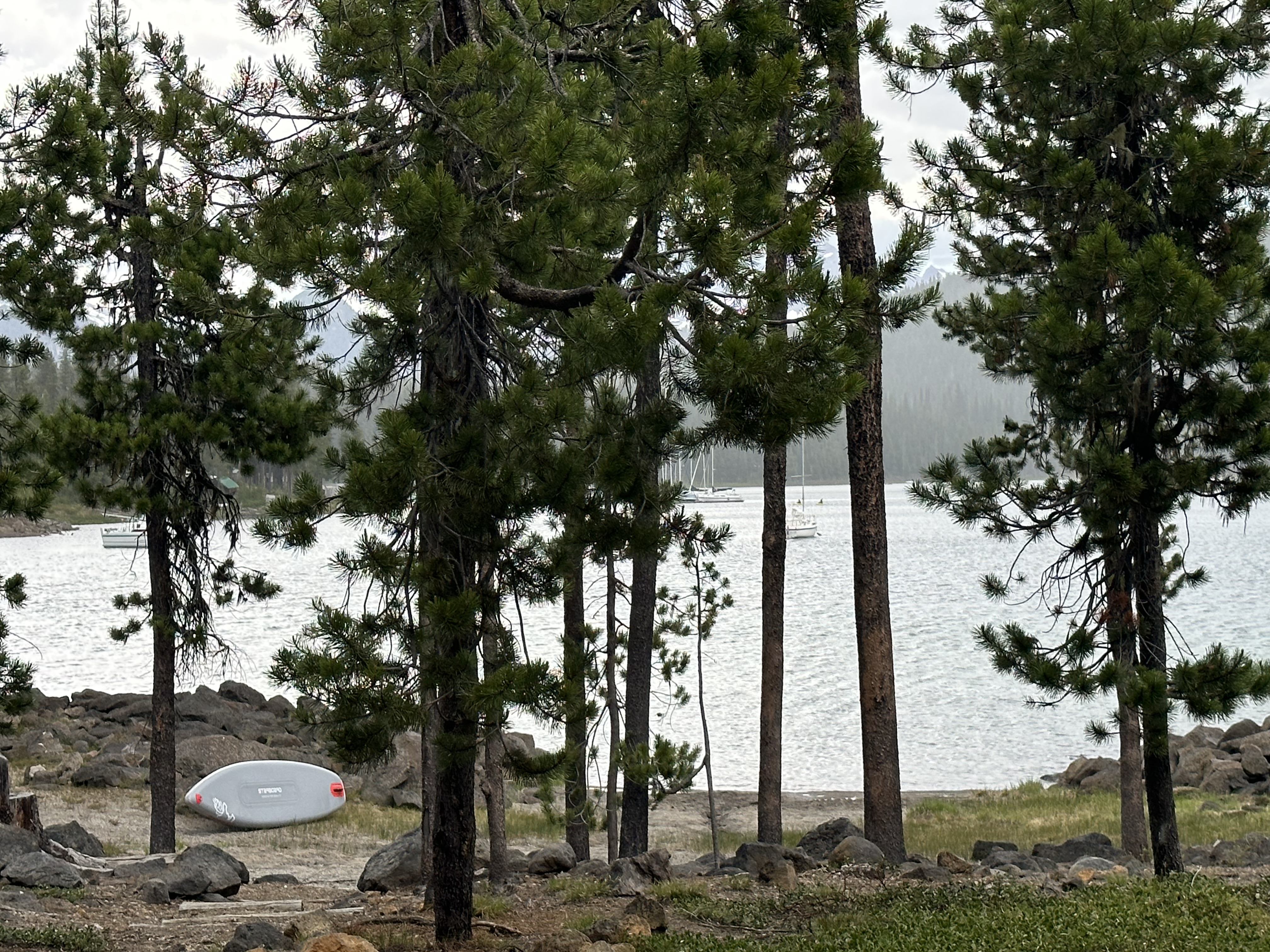
I live about 45 minutes from Elk Lake in Oregon. It’s a real gem that’s perched 4900 feet above sea level and surrounded by snow capped mountains even throughout the summer.

I always plan to arrive relatively early in the day so I can meander around the shoreline and in and out of the many bays. Later, when the breeze picks up I love to grab a session with my Starboard V3 FreeWing. In addition, I always bring a reusable bag so if I spot plastic floating in the lake I can retrieve it.

Two things happened today that surprised me. First of all it was a busy summer Saturday almost two weeks since school’s been out. The lake has seen plenty of traffic both on the beaches and on the water. During my 5 mile paddle on my Starboard 12’6″ Zen Touring board in a range of 1-15 feet of pristinely clear water, this is all the debris I spotted: one worn tennis ball, a cigarette lighter, one child’s flipflop and one plastic lid. IN ALL OF THAT AREA I spotted juts 4 things!

This made me so happy and so proud of all the visitors to this lake who obviously want to keep it beautiful by being careful with their plastic, their belongings and maybe even with their careful cleanup before heading home.

The second thing that surprised me was a sudden wall of purple thunderheads that brought in rain – and a promise of lightning. So, I did not get to fly my wing – but I’d call the day a success just the same.

Future Fighters – Lifelong Inspiration

Over the decades, from my time teaching middle school science in the 1970s, to the publication of The Quest for Blue Planet Super Heroes and the Blue Life Journal, I have been inspired by the massively good work of so many. Most recently, participating in a terrific project fueled by a social media currency, I am enjoying regular invitations to actively make a difference for the environment while having fun. Since World Ocean Day was this week, it seemed like a great time to share.

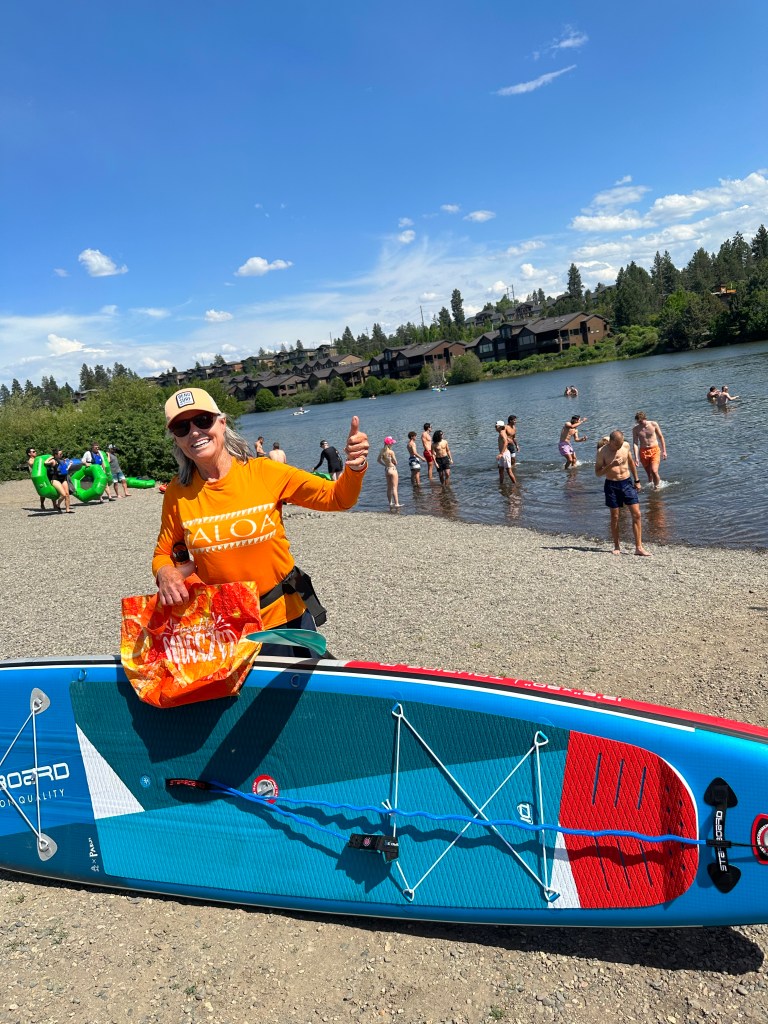
How easy is it to bring along a re-usable bag during a paddle and gather up the plastic you see in the water or on the beach? Best of all, having a habit like this is a visible reminder to those around you – not only to collect plastic but also to “refuse, re-use and recycle” their own plastic and trash.

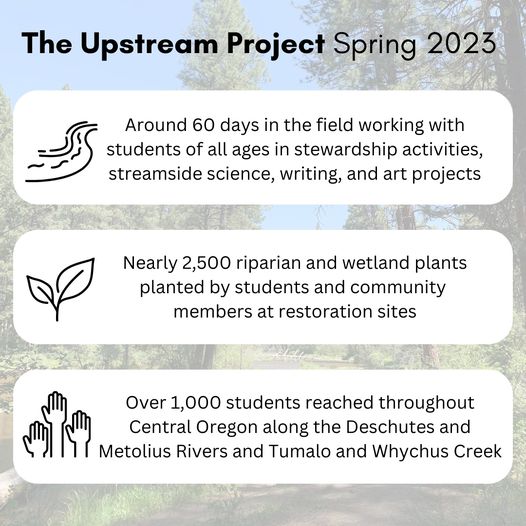
Fortunately, here in Deschutes County we have the beautiful Deschutes River meandering throughout. Keeping our river healthy is dependent on the stewardship of the next generation. As a former Board member of the Upper Deschutes Watershed Council I am thrilled to share the amazing work they have done this past spring.

The Upper Deschutes Watershed Council has worked with hundreds of students throughout Central Oregon this spring! With our education program, The Upstream Project, they provided hands-on stewardship experiences designed to educate and inspire students of all ages to participate in streamside science, stewardship projects, creative writing, music, and art projects.

UDWC’s education program is largely dependent on support from private donors and community members, and our ability to do this work and to become lifelong caretakers for our natural spaces!

Having a team, a social media project and community groups to join is a great way to keep our personal motivation high while making a difference. Engaging young people with your efforts is crucial – they are our FUTURE FIGHTERS.

But wait! There’s more! By picking up trash or planting trees, going paddling you could win a ZEN ADVENTURE OF A LIFETIME. Join Starboard in a journey towards a sustainable future and make a positive impact on the planet. By showcasing your passion for sustainability, you have the chance to be crowned as the Ultimate Future Fighter! The contest is powered by CORA CORA MALDIVES AND BLUE TIKI

Blue Tiki – Motivation

We all love to SUP and we want to keep our waters free of plastic and other debris. Fortunately, a few months ago I discovered a fantastic contest/initiative sponsored by Starboard SUP, Blue Tiki and CoraCora Maldives.

If you haven’t tapped into the world of bitcoin, this is a terrific place to start. Blue Tiki is a social media currency which will be distributed to community members based on their environmental actions. Check out the video here. The program is meant to inspire a global community of watersports fans and changemakers they call, ” Future Fighters.” Once you watch the video and explore the links you will want to join in!

Social tokens are on the rise in the crypto space and brands are embracing it to create more value, engage with their communities and incentivize positive impact behaviors. Starboard has brought the SUP industry a “pioneering move” into metaverse.

Each month their are MISSIONS and ACTIONS one can complete in order to earn BlueTiki currency – and maybe even a trip to CoraCora Maldives.

For instance, today I had a wonderful 4.5 km paddle and picked up plastic and trash along the way. Yes, I earned some Blue Tiki currency, but best of all I enjoyed the experience and chatted with others along the way. Inspiring others is key to making a difference. You can too – FOLLOW me on Instagram and get your Starboard SUP out on the water while making a difference for our environment.