SUP: Da Feet

That moment after a too-steep take-off when the nose of your surfboard buries deep, that moment just before you rocket through the air tightly clutching your paddle – you know! You know that your feet were not in the ideal position to trim your board successfully – it’s obvious.
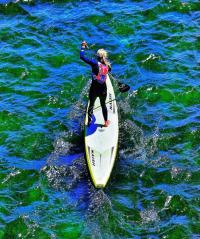
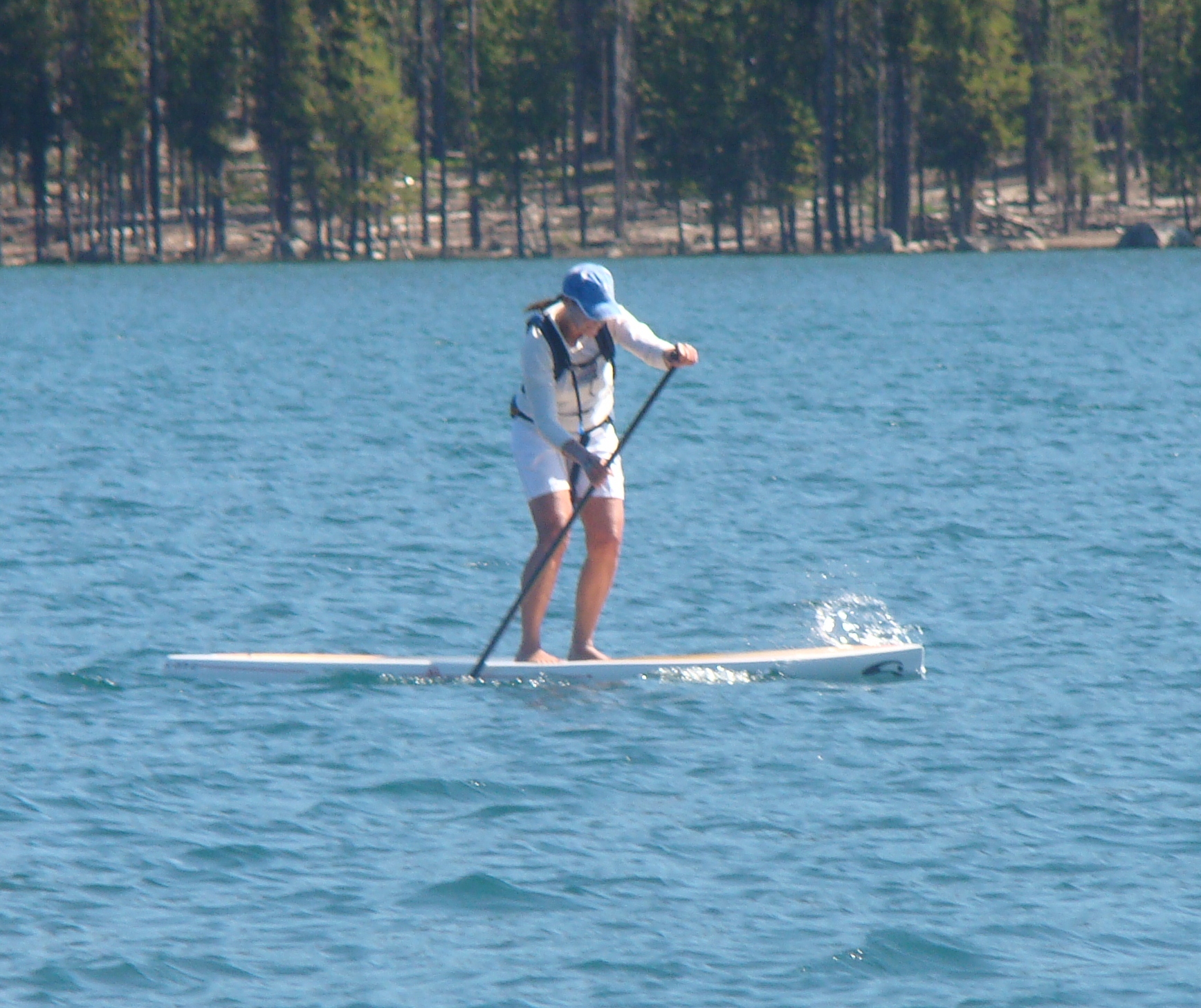
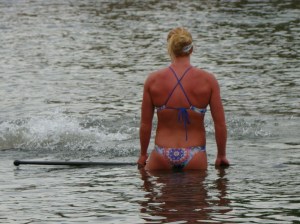
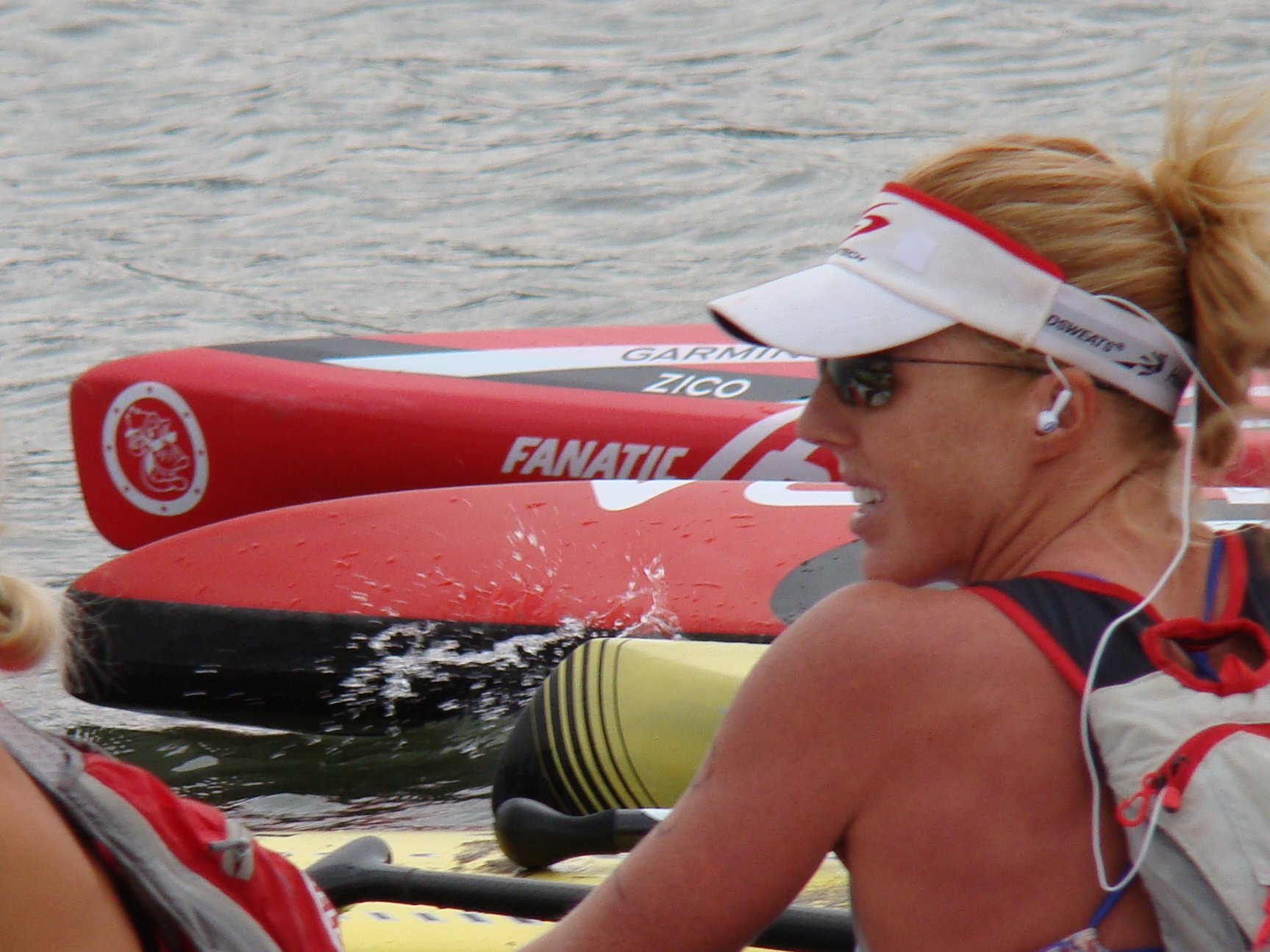
Karen Wrenn posted this very cool photo - great color and an easy way to study foot position and technique.

Karen Wrenn posted this very cool photo – great color and an easy way to study foot position and technique.

More subtle are the changes in board trim and efficiency or glide that occur with where your feet are place and the balance of weight on those two feet when going in flat-water or downwind. A good example is the way Karen Wrenn is positioned in the photo to the left. She was kind enough to explain, “If you notice how my feet are really far on the left side of the board… it’s because there was a super strong side wind coming over my left shoulder. I had to position myself on the far left of the board to keep from getting pushed by the wind to the left. With my body weight on the left side of the board it allowed me to get my left rail down and prevent getting pushed and tipped.”

Knowing the force of winds in the gnarly Columbia Gorge area where Karen spends a great deal of training time, that is good to know. As the weather warms, our local SUP community plan many jaunts to the Hood River and Portland area for down wind fun.

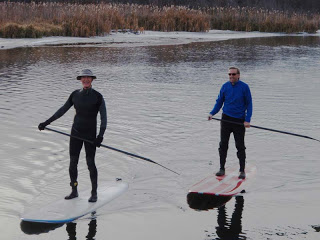
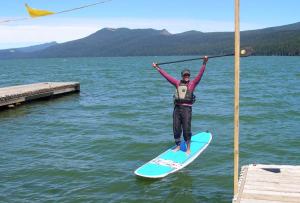
With just a few weeks before the most challenging down wind adventure of our lives at Maliko Gulch and the Olukai Ho’olaule’a, we have been barefooting it on the sleek 14′ Naish Glide as winter hiccups into spring.  Balance as we maneuver is crucial – falling into the barely above freezing Deschutes River is not an option.

There’s the rub! Tail turn practice goes tentative – and immediately balance becomes sketchy.  It’s a great mental practice to feel the right movement to position and coordinate strong paddle strokes.
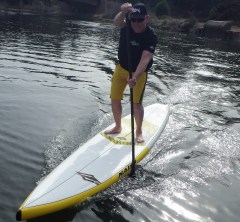
Evening light adding to our bliss!

Evening light adding to our bliss!

Our puzzle remains – what’s the best foot position for the various aspects of conditions we’ll encounter on the Maliko down wind route?  We will be sharing this post far and near, hoping for insights and input. While we will be participating in a “race,” our goal is safe completion of the journey.
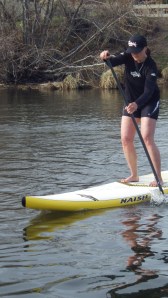
Wondering how this foot position is for strong "wind in the face" situations

Wondering how this foot position is for strong “wind in the face” situations
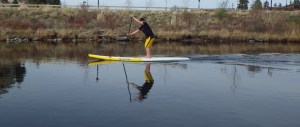
Ed is experimenting with feet further back, noticing the impact of the tail drag vs speed and efficiency

Ed is experimenting with feet further back, noticing the impact of the tail drag vs speed and efficiency

We know we have awesome equipment with our Naish 14′ Glides underfoot, so we hope to refine our skills so that we can make the best of the famed “glides” we’ll be earning along the way.  How incredibly cool is it going to be to feel that first rush of wind after going beyond the cliff at Maliko Gulch! What a thrill it’s going to be to be surrounded by hundreds of other paddlers as the swells start rising on our quarter and from directly behind!

Butterflies – yup! We can’t wait to practice in the warm ocean – to fall as often as needed into WARM water – and to peddle forwards and back along the foot-friendly deck of the Naish Glide.  The best and right equipment for the adventure adds so much confidence and fun to the mix! Yeah, the stoke is fueled.

Please share your insights and comments on the blog or via e-mail eldersup@gmail.com – some comments we have received so far can be read at Aloha of the Paddle.
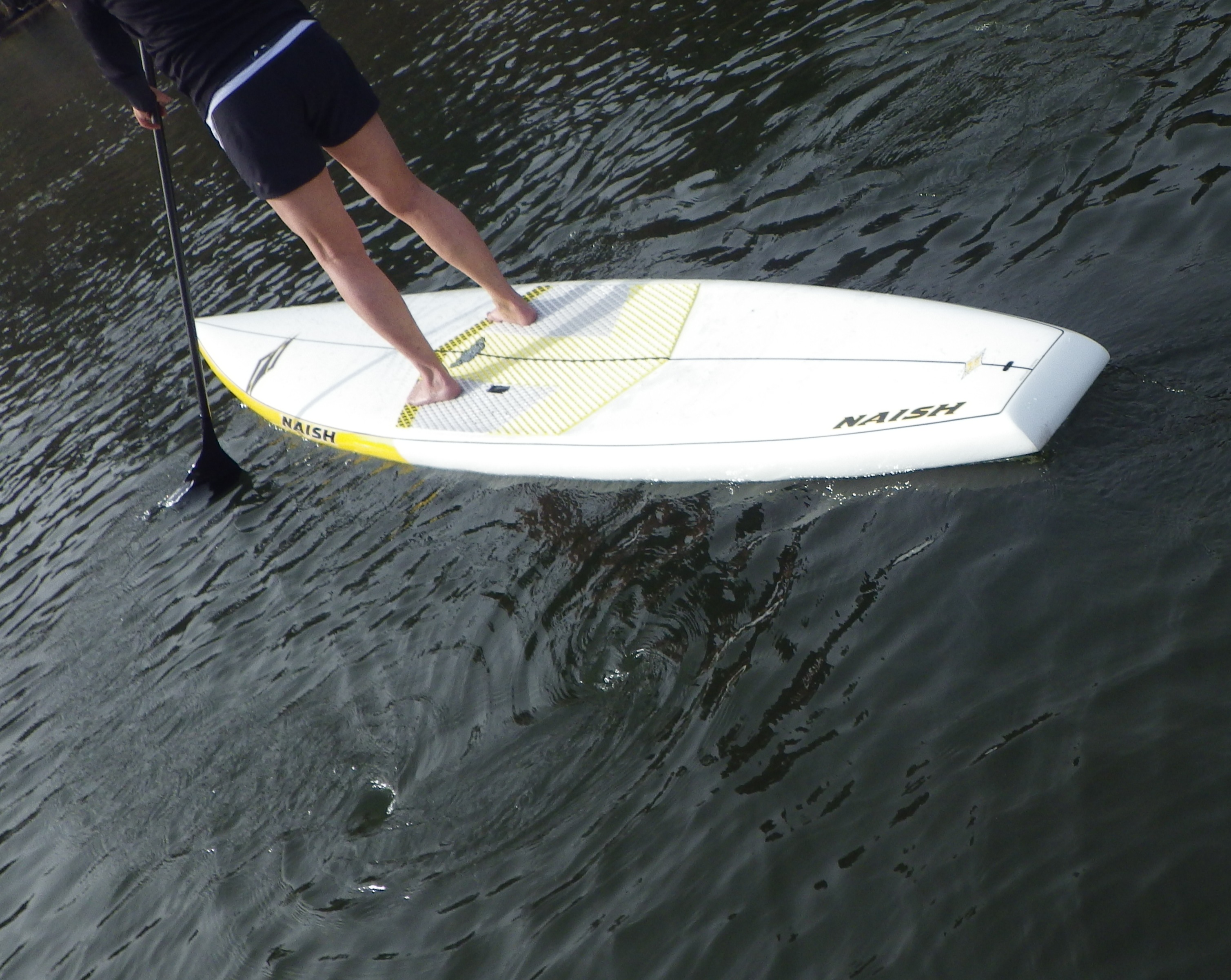
This seems to be a good foot position for flat water up wind and down - comments?

This seems to be a good foot position for flat water up wind and down – comments?
Winter SUP Training

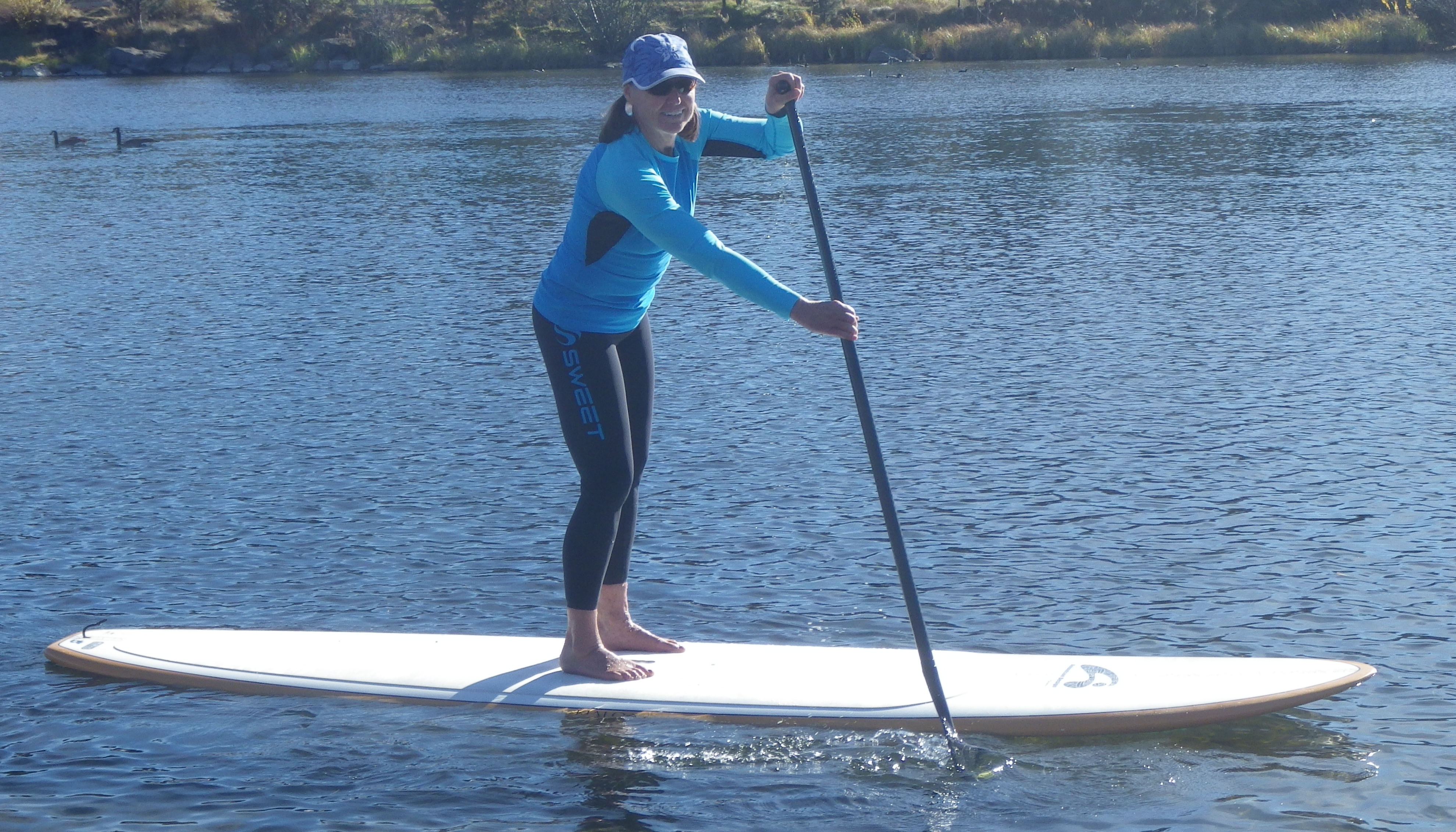
January warm in my Sweet Waterwear paddling top and compression pants

January warm in my Sweet Waterwear paddling top and compression pants

Just took a virtual tour drooling over the Naish line of Glide raceboards (have you ever seen that GX? Yeah!)and Mana line of SUP surfboards.  It seems like forever until we head to Maui for some surf and downwind fun at the Olukai Ho’olaulea.  In reality, it’s just about 100 days.  With so much snow and ice on our local paddling locations, we are waiting until late May to get our Naish boards. Meanwhile we prep and dream. I did have the pleasure of going a few miles in the Deschutes River on a recent 50 degree afternoon. It was the first time I’d paddled since our fun in Maui in early December. Other locals, like Randall Barna paddle regularly – every freezing month of the year. naish randall winter

I was paddling on my Amundson 11’3″ all round fun board.  Everyone knows that I have had endless hours of flatwater and surf fun with that board.  Heading up river on a calm day I was surprised to notice – my Amundson just didn’t have that “glide!” In Maui we had been blessed with a few glassy days with small surf so the actual glide of the Naish 14′ Glide was obvious. A set of 6-8 strokes on one side generated some serious acceleration with minimal effort.  It reminded me of some technique suggestions from KIALOA paddles’ Dave Chun.

When asked about paddling technique, Dave Chun says, “Listen to the board, Don’t worry about what you look like. Listen to the water coming off of it. Feel what makes it go fast and smooth.” I was doping that observation during my January paddle and realized how much the design of a board impacts the glide, the sound and the result of a series of paddle strokes.  Even though I love the sound of the chop-chop-chop as the bow skims across the ripples in river current and breeze bumps, having aboard that slices right through all that with more of a “swish” is simply faster! So glad we’ve got a 14′ Naish Glide reserved for the Ho’olaule’a.

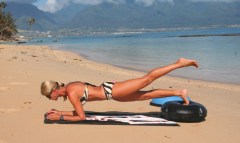
We don't have the beach (and I certainly don't have the body) but we can train and prep with guidance from Suzie Cooney, CPT

We don’t have the beach (and I certainly don’t have the body) but we can train and prep with guidance from Suzie Cooney, CPT

While a great board is key to having a great experience during SUP events, the bottom line is getting ourselves ready to be strong, safe and prepared for the physical and mental challenges. To that end we have been poring over Suzie Cooney’s SuzieTrainsMaui website for ideas and training tips. Luckily she has SKYPE sessions available for some true custom training opportunity. I know we will be filming some sessions with the GoPro to get solid feedback that we need.

Since Karen Wrenn experiences much similar winter weather we looked for some training tips that power her fitness and competitive success.  This is from Karen’s blog with a link to Stand Up Paddle Annapolis’ blog

“I do a lot of cross training in the gym in the Winter. Circuit training is great because you can get your heart rate going, build muscle and muscle endurance. I will first do something that elevates my heart rate followed by a couple exercises that include strength and balance. For example, I might do 20 double jumps (or you could do 100-150 single jumps) with a jump rope and then move right into 20 kettle ball swings (from a squat position swinging the kettle ball to shoulder height coming to a standing position) and repeat. Then I would move into a plank position with elbows on a ball and roll the ball forward and back for 20 reps. I would do this circuit 3 times and then move on to another circuit.

Another idea of a circuit is to do 15 split jumps on each leg (http://www.livestrong.com/video/5310-split-jumps/) and then 20 tri-cep dips then 20 reverse crunches (http://www.youtube.com/watch?v=vVVlXA0dqGg) and repeat this circuit another two times.

Basically, come up with some circuits of three exercises. Have the first exercise of the series be something that will elevate your heart rate ( jump rope, running stairs, sprints on a rowing machine) add a strength exercise (kettle bells, push ups, tricep dips, pull ups, etc…) then add in a core exercise ( reverse crunch, plank, medicine ball sit up and throws). After you finish one circuit of three then move on to another.

I run a lot during the Winter. Running is a great way to keep up your cardio endurance and a great thing to do if you only have 45 minutes to spare. If you are not a runner… biking and swimming are great options too.”

From Naish Stand Up Paddle's Facebook page

From Naish Stand Up Paddle’s Facebook page

Excuses for not getting ready? NONE! Have fun, just be sure to be safe and paddle with a buddy when the water and weather is cold.

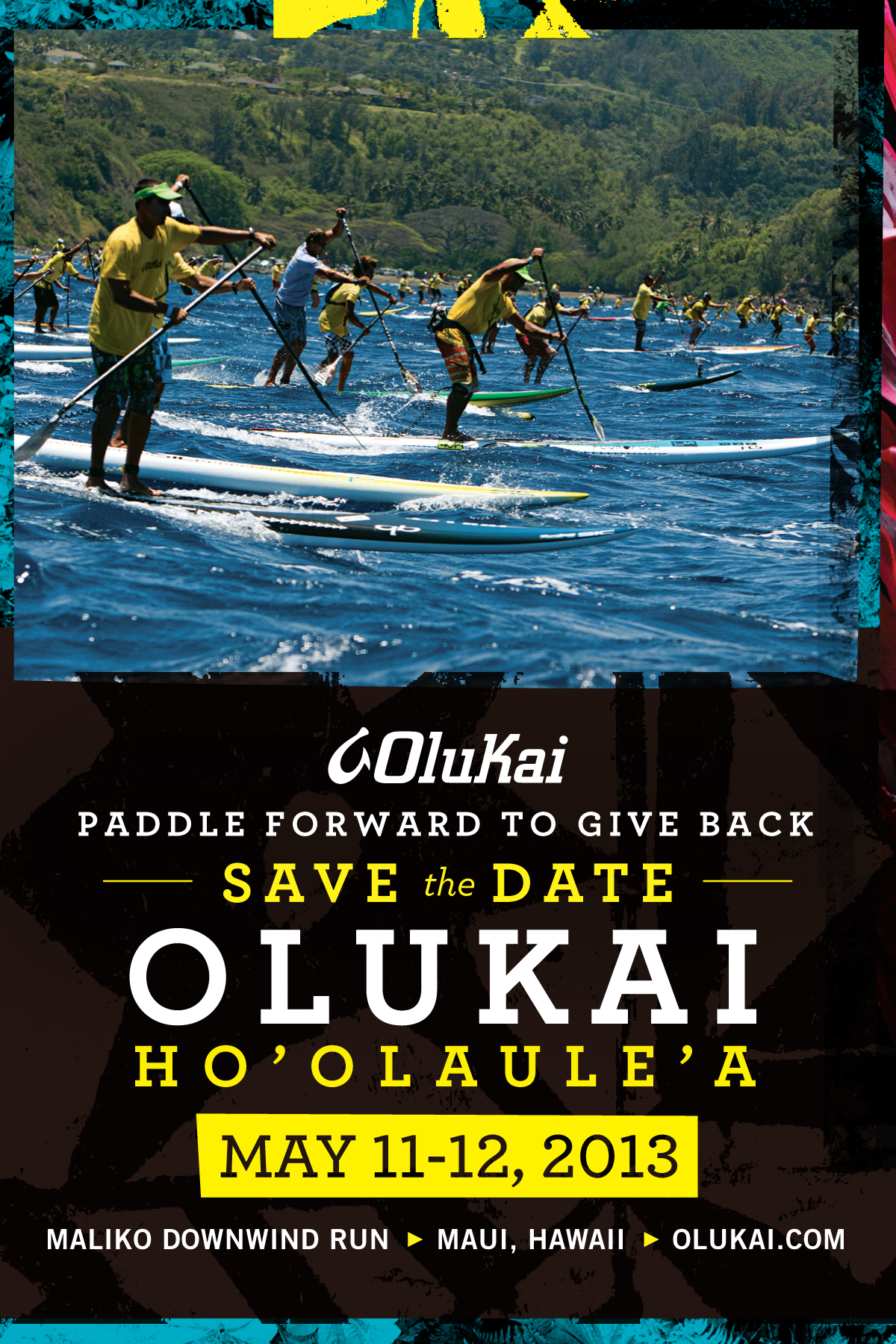
Olukai Ho’olaule’a “Save the Date”

Save the date!

Save the date!

It’s finally about 100 days until the Olukai Ho’olaule’a. That gives anyone willing to put in time and some thought to training for a fun, safe and exhilarating down wind ride time to get prepared.

What’s the Olukai Ho’olaule’a? Here’s a wonderful overview, simply click.

It seems like such a long time ago when we stood nervously behind the Pai’a Youth Center waiting to do the short “fun run” to the festivities at Kanaha Beach Park in May 2012. Our butterflies were no match for the awesome warm-up and stretch provided by Suzie Cooney, CPT of Suzie Trains Maui. She inspires us – even as she returns the favor.

We had no idea how hooked on down wind runs – and the amazing energy and culture surrounding the Olukai Ho’olaul’ea – and how it would impact our entire year. Read about our journey, and then share your story with us.

Now we hope you are jazzed and ready to register. If you read this Elder SUP blog and plan to be on the beach at Maliko on May 11, please let us know. There is power and energy in numbers. We can get together and do a group shot of “show us your Olukais!”

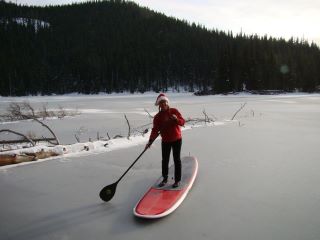
Right now it is not so easy to train in Central Oregon!

Right now it is not so easy to train in Central Oregon!

Full Immersion – to be your best!

The very best surfers, paddlers and SUP watermen (and women) make it all look so easy. Do you ever wonder how they get to be so seamlessly great at what they do?  Part of the answer is a mix of practice, passion and full-immersion in their element.

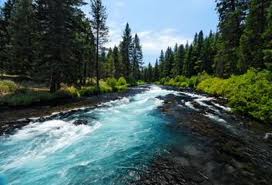
My niece, Michelle Alvarado of Wahoo Films, spent 3-4 hours a day during a recent summer fully immersed in cold, rushing rivers around Oregon. She was filming underwater for a film called Deep Water – more great stories on the Deschutes and Wychus Creek are available at “Ripples of Change.” One reason the stories Michelle shares and the impact of her messages are so profound is that she solidly connects with her subjects – the rivers and its fish inhabitants. Being fully immersed in the cold waters brings a unique perspective and power to Michelle’s message – much to the betterment of the rivers’ health. There’s nothing quite like the learning experience of being pushed downstream while trying to stay focused and eye to eye with an illusive steelhead.

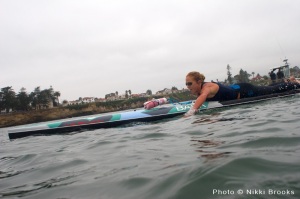
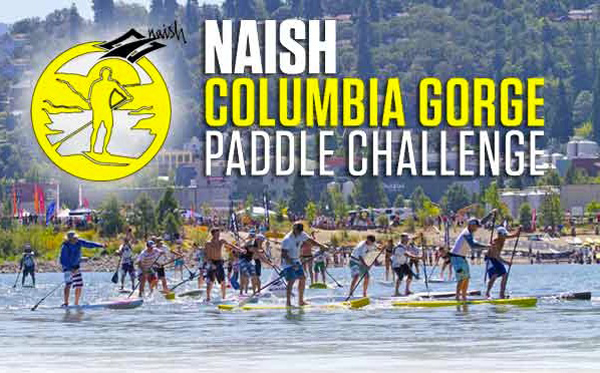
Connecting with water can happen during a wind swell pushed to head high by a raging wind vs a powerful river current. I got slapped silly and pretty well schooled during the September 2012 Naish Gorge Paddle Challenge.  After the race, I had the chance to chat with Candice Appleby and learn how much value she puts in diverse training. As a standup paddler, I had no idea how important prone paddling might be.  Candice explained, “When you are lying on your board paddling through ocean, waves, wind and current you get a completely different understanding of the water than when you are standing up. Not only do you work different muscle groups by prone paddling, but you experience subtle insights that are valuable for surfing, for down-winders and for standup paddling in general.

Maybe Candice doesn’t need to prone paddle and maybe Michelle doesn’t need to scuba dive with fish – to be excellent… but maybe that is exactly what allows the best to rise to the top of any field. Maybe the best way to become better at standup paddling is to know the water – and fully immerse in the elements that define our sport.

The boards and paddles we choose to connect us with wind, waves and water are the result of a long decision-making process. I have chosen to use a number of paddles from KIALOA Paddles over the years. We spend a lot of time training for our standup paddling experience and getting the right paddle for our best immersion in the sport is important. I recently had a chat with Dave Chun of KIALOA Paddles and we discussed the selection process for most people. Many paddlers decide to demo a paddle and after 5-15 minutes we might decide we love it. It’s wonderful. 

In reality, Dave explained that it might be better if a person paddled for 45 minutes or more and then picked up a demo paddle. When the body is a bit fatigued and we are immersed in the water and weather of the day, we will get a better perspective on how the paddle actually connects with our current skills and fitness.

When asked about paddling technique, Dave Chun says, “Listen to the board, Don’t worry about what you look like. Listen to the water coming off of it. Feel what makes it go fast and smooth.” That bit of advice goes in one ear and out the other if the listener has not explored the full-immersion of what it’s like to move in water. Listen and feel – observe and immerse. That’s the method for discovering how to make your standup paddle experience the best it can be.

SUP, Quads and TRX

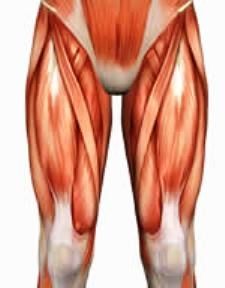
I am gaining new respect for the collection of muscles that make up the quads. After a full 5 months of paddling 90-120 minutes 5 X a week I imagined that I was in really good shape. I have been honing my technique according to insights, blogs and experts since late last spring. Driving the board forward with my legs while using the core, lats and good measure of  “reach, dammit reach ala Dave Kalama” I really believed my fitness was balanced and solid. 

The summer included down wind runs across Odell Lake and a great experience at the Naish Columbia Gorge Paddle Challenge. It was a first time for me to SUP in the Columbia River.  When the winds picked up to 30+ knots and the swells reached 5+ feet I actually felt ready. Deciding to race in the surfboard class instead of the 12’6″ raceboard class was likely a good decision.

Overall Age
1 130 Horn Todd 31 M Victoria, BC 1:34:30 0:11:07 0
2 233 Shasek Judy 63 F   1:47:01 0:12:35 12.5
3 142 Mebus Brady 17 M 1:47:18 0:12:37 25
4 231 Cunard Sam 20 M 1:47:57 0:12:42 37.5
5 253 Willems Brandon 24 M 1:49:37 0:12:54 50
6 222 Jerry Ohlson 50 M 1:50:06 0:12:57 62.5
7 143 Mebus Leanne 48 F Gig Harbor, WA 1:52:04 0:13:11 75
8 227 Thomas Mark 37 M 1:52:26 0:13:14 87.5
9 259 Rieke Anna 44 F 2:00:33 0:14:11 100

The only reason I put those results in there is to indicate that I was actually prepared and trained by late summer. Building on that training, I decided to connect with Suzie Cooney of Suzie Trains Maui to stay fit all winter and to be ready to do the Olukai Ho’olaule’a in Maliko Gulch next May. Suzie suggested we get an Indo Board and Gigante cushion and the TRX RIP Trainer.

So, on October 10, yesterday, I did my Beginner Workout with the RIP Trainer and then spent about 5 minutes doing a paddling move on the Indo Board (30 pulls each side X 5 sets). BY that night I began to feel that “sore but not hurting” sensation that indicates that a muscle has been sincerely worked. Oddly, in conventional strength training a particular muscle gets that feeling.  In this case it was a total collection of seemingly equal fatigue and muscle soreness throughout the entire quad – front, inside, and deep in the central  thigh. Oddly enough, even though I did not do any sit-ups or convention ab-work, my upper abs were also sore.

This did not happen on the first two sessions with the TRX RIP Trainer. Interestingly enough, as my skill in setting up my position and neutral back became more effective, the range of muscles engaged increased.

This morning dawned sunny and warm so I decided to head out to the river for a medium intensity 4 miles. Holy cow! Moving through my paddle stroke with care during the warm up and then with an intensity of about 60% of what a fast interval might be I could feel plenty of new muscles engaged. My quads let me know when they were working. Lats and upper abs, same thing.  It was a challenge to do this relatively easy paddle as so many areas were soundly fatigued from the past 4 days of land training.

This was great insights. As fall comes to Oregon and the freezing months of snow, ice and gray are due, it’s awesome to realize how sport-specific an exercise program done inside, in my home garage, can be. Can’t wait for the events and fun of 2013.


BOP Honors – Inspiration of the Paddle

The ultimate SUP “game” envisioned by Gerry Lopez and his buddy Sparky Longley is called ‘Battle of the Paddle.” When the elite racers fall, flail, and maneuver their way around the yellow marks placed right in the surf break it has to look and feel like one huge foamy battle.

The reality of the SUP contenders battling out for top spots in the one-of-a-kind BOP comes through best in other moments in and around the event.  If you’ve ever been to an event when any of the top ten contenders, male or female, for SUP athlete of the year have been present you know what I mean.

In football you never get to sit with the best quarterback, on the bench before a game but in SUP the beach is open to everyone. Interaction with Candice, Conner, Karen, Suzie, Heather, Kai, Jamie, Chuck, Slater, Dave, and many others is easy and quite inspiring. The absolute passion for their sport and water, waves and wind they live by is contagious! They are a no excuses, hard -driving competitive bunch who train like there’s no tomorrow – but will share a pointer, a word, a smile and encouragement as needed. Clinics, blogs, movies – they share!

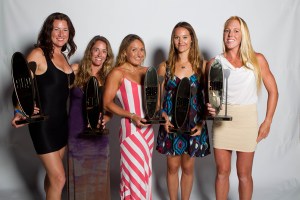
If you were like me, it was pretty tough to decide who to vote for in the various SUP awards offered to the public for input.  I have a hand full of favorites all with top-spot accomplishments. In the recent 2012 SUP awards by Body Glove tough decisions were made. Candice Appleby was awarded top honors for women while Conner Baxter won for the men.

The one thing that struck me as I enjoyed the stories, tweets and Facebook updates was this quote from Candice, ““I want to thank the other athletes- you inspire me.”

That camaraderie and mutual respect may not be unique to the sport of standup paddling, but it is one powerful, compelling aspect of how the best of the best live their sport.

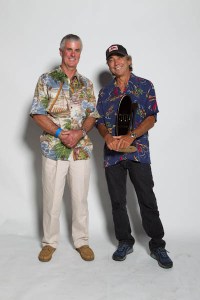
Gerry Lopez was presented with the SUP magazine Lifetime Achievement Award for his influence on the sport

No matter where you paddle or SUP surf this weekend you can charge or chill with the attitude of those at BOP. Anyone can grab the attitude  of Gerry Lopez who won the SUP magazine Lifetime Achievement Award for his influence on the sport. He accepted his award and said, “I hope it makes a difference in how we all think. Surf with aloha and live with aloha.”

Okay, it’s Saturday! Grab your board, your paddle,and a friend then look for surf and inspiration – wherever you find it.

SUP Race YOUR Way

Eager paddlers at Elk Lake outside of Bend, OR

You’ve signed up for the local race, a day of friends, water, standup paddling, often a good cause to support and the chance to hone your skills. It'[s a recipe for a great effort and a great day. Oddly, before a race there’s often a ripple of disclaimers as the competition draws near:

  • I’m tired (sore, out of practice, not feeling well)
  • This board is too heavy (long, short, tippy, slow)
  • It’s windy (rough, hot, cold)

Sarah Castle has an entirely different perspective on attitude when it comes to competing. She’s captain of the 2012 U.S. Paralympic Women’s Wheelchair Basketball Team. That’s right, players competing in basketball that’s practically a full contact sport from their wheelchairs. No excuses, no disclaimers – just a team focused on pushing full-force for the entire game. Not only that, the team is really diverse in terms of age. We all know how challenging it is to maintain competitive endurance as we age. (New disclaimer – oh, by the way, I am older than you are) Imagine adding that challenge to the fact that every team is out to get TEAM USA because they nabbed gold in the past two Olympics.

Team USA comes into the London 2012 Paralympic Games as the two-time defending champions, winning gold at the Athens 2004 Paralympic Games and the Beijing 2008 Paralympic Games.  One thing is certain, they  bring their best game every time. “We bring our best game and we play our game, every time. That’s all we can strive for,” says Sarah Castle.  No matter what the outcome of any event, that’s  a “win” that really matters.

So, back to the litany of excuses we often hear, and might even voice, when we come to our competitions. How can players compete at the elite level and avoid that pitfall of negativity? Surely, we at our level can bring a better “game” to our events. What do we need? Preparation, focus and passion for the “game.”

  • If you didn’t get out on the water or to your training routine enough before an event, you left preparation at home.
  • If you’re worried about your equipment or the weather, you’ve got focus out of whack
  • If you’ve got an enthusiastic passion for paddling at your best today for the entire route or course – then life is good!

A laugh can quell those butterflies

Deciding what is okay, and what make a grin flash across your face can make all the difference.  For someone who went from being an active healthy 11 year-old to adapting to after-effects of a disease that brought paralysis and the need for a wheelchair, Sarah Castle has focused on following paths that inspire her, working hard and getting her “grin” on.  What’s right for you? Sometimes the most remarkable thing an elite athlete or the weekend warrior can do happens outside the event. Have you ever:

We love our sport! Better yet, we love the heroes, leaders and players that inspire us to bring our own best game every time – and to be okay with whatever that is. Take the time to watch Sarah and our amazing US Team.
For more information on the 2012 U.S. Paralympic Team and Paralympic athletes, competitions and sports in the United States, visit http://www.USParalympics.org, the official website of U.S. Paralympics, a division of the United States Olympic Committee formed in 2001. U.S. Paralympics leads the Paralympic Movement in the United States.

Subscribe to their channel for more Paralympic content:http://www.youtube.com/usparalympics
Follow them on Twitter: https://twitter.com/USParalympics
Like them on Facebook: http://www.facebook.com/USParalympics

Wanna Be Like Candice Appleby?

For many standup paddlers events and races drive our focus. It’s only natural to look at the podium after events and observe the sport’s leaders we admire. As the top ocean athletes pose for that podium shot do you ever think, “I wanna be like that.” At the August 2012 Columbia Gorge Paddle Challenge I gained more awareness of what “like that” meant for many of the watermen and women.

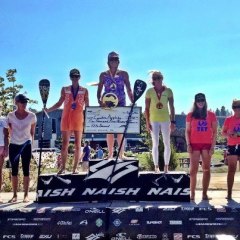
Wanna be like Candice Appleby? Looks like a great position to be in at the first place spot on the podium.  Flanked on both sides by six other leaders, Candice graciously accepted the check and trophy while acknowledging what a close, exciting race it had been all the way to the end.  Are you shaking your head, “Yes, if I won races I’d be like that too.” Especially if, when you were 12, your parents moved to one of the best surf towns in the country. It’s easy to think that’s what formed Candice into the champion she is – but fortunately there is much more to her. In those aspects of her life, guess what? We can be like Candice Appleby.

Discipline, focus, perseverance and “fun at work” are all key to what makes a champion.  No one is born fit and ready to be at the top of their sport and at the peak of their game. Training happens daily and consistently.  Wanna be like Candice? Be your best condition, your best technique and your best focus.

A rare quiet moment for Candice. Photo by Ed Shasek

Candice launched an Anti-Bullying campaign called “Stand Up for the Children.”  Wanna be like Candice? Is there an issue or challenge of importance to you in your local community? Step up and participate or lead for change.  The busiest among us seem to be the ones who take the time to make a difference.

In her free free time Candice volunteers with the Jimmy Miller Memorial Foundation, taking Marines from the Wounded Warriors Battalion surfing as part of their Ocean Therapy. What expertise can you share in order to enhance the lives of others?

One last aspect of our SUP sport is the incredible opportunity we have to mingle among the top athletes, paddling in the same conditions and running through the same finish chute. We also might share some similar pre-event butterflies.

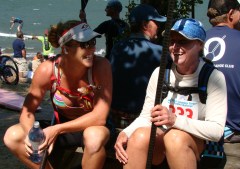
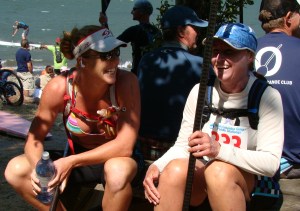
Candice quelling some of my butterflies before the 2012 Columbia Gorge Paddle Challenge. Photo by Ed Shasek

I had never paddled the Columbia River with its howling winds, big swells and big barges (that’s another story altogether!). Surfing on the Oregon coast had been good preparation, but at the beginning of the race I wasn’t too sure.  Good friend, Brit Oliphant had started her confidence building for me the week before – and that was why I was there ready to participate. The last minute help I got from Candice was much appreciated as well.

Candice was sitting at a shaded picnic table a few minutes before the start of the downwind course, adjusting her earphones and selecting her music.  I sat down next to her, probably looking pretty darn serious when she casually started up conversation.

It didn’t take her long to share a few pointers and instill that last dose of confidence I needed before launching into the 25-40 mph gusty winds. That gesture of sharing resonated well with me.  I tend to “go inside” when nervous but Candice demonstrated a better strategy. By taking the time to be aware of others who may need just a bit of encouragement I might have the opportunity to quell their butterflies – and mine.

Pick your own way and your own path (paddle) to enjoy our sport the way Candice does. Look around – our top athletes have done just that. What a cool community within our sport we can be part of.

Candice cool and calm at the start of the Naish Columbia Gorge Paddle Challenge. Photo by Ed Shasek

A Sense of SUP Play

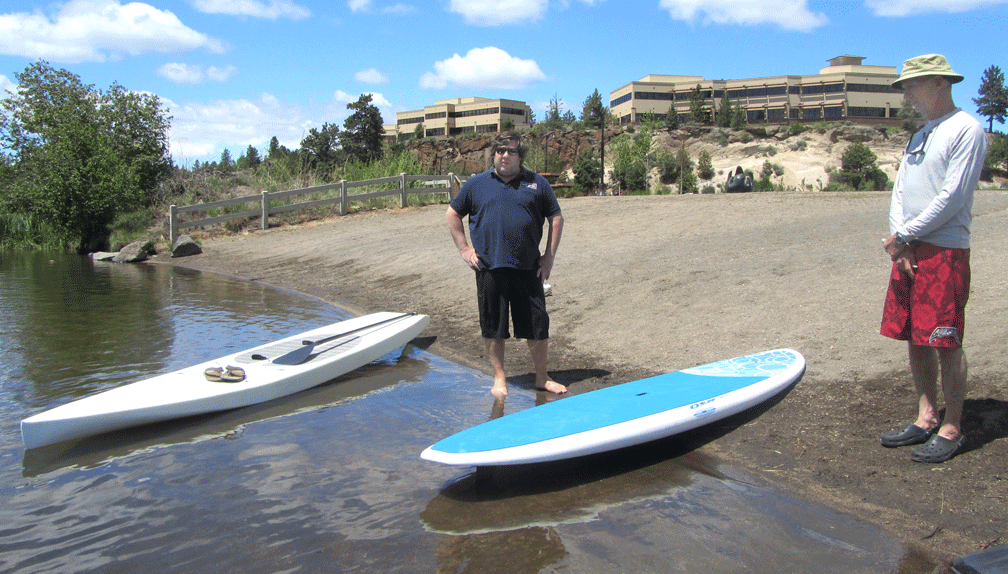
I had an amazing time at the Elk Lake Resort -Gerry Lopez Race Series kick-off race on July 14. With both KIALOA paddles and StandUp Paddle Bend as sponsors it was a true “hometown” event. Armed with my cool Pipes KIALOA paddle and a sweet Hobie 12’6″ raceboard borrowed from Chip Booth at Standup Paddle Bend, I was eager to get to the water. I’m still quite a novice at turning the bigger board around the race buoys. Luckily, Gerry Lopez was on the shore and quickly tossed a few stance and balance tips my way just before the start (Note to self: Need a LOT of practice!)

The weather was stellar. Sadly, I was the only woman competing in the race. “Competing” is a loose term – because I was simply out on the water on my board paddling hard to get my technique and endurance a little bit better.  I came in last place after all the men – but “won” first place for women. It would have been a lot more fun with some other women to laugh, paddle and race with. I have a laid back outlook on competition as a community building glue for the fast growing legions of standup paddling families and friends. I have a notion that the format of competitive racing may have limited the number of people participating. It was not a WPA sanctioned event, it was meant as a fun race – but still, the format was “race.”

We often point to competition as a tool to bring out the best in people. You will run faster or work harder or fight more ferociously if there’s someone breathing down your neck or a record to be broken.

The problem with competition for a great percentage of most people “playing at a sport” is that it holds them back from leaping into the “game.”  For many, competition takes away the plain old playful fun, the invitation to invent your own method, to find a new way. Competition is great for gathering energy, audience and refining our skills to new levels. But if a huge momentum of new participants in events is a goal, there might be a complementary opportunity for race directors and organizers.

When you have competition, it’s the pack that decides what’s going to happen next, participants merely try to get (or stay) in front. Elder SUP will be designing a new addition to the standup race menu of choices.  We will design 15-30 minute SUP-Ventures, game-like short quests on the land and water for all levels and abilities of standup paddlers.  Generating lots more “race” and event participants, providing an entertaining extra show for spectators, involving more people while building a strong standup paddle community is our goal. We’d love to hear your ideas and comments on this topic.

Meanwhile, as we design and plan new ways to flatwater SUP play, enjoy this smile-generating video – the joy of SUP play!

Chip Booth: Standup Guy

Chip is not only the owner of StandupPaddle Bend, but he is one community minded all-round standup guy. He and his wife, Lainey, worked long and hard throughout this spring in order to deliver an awesome community event on June 16th, 2012. This was the second annual Bend Paddleboard Challenge – and a challenge it was. As with many local events, sponsorship is a tough aspect of delivering an amazing event. When one key sponsor was unable to p[participate, the Booth family reached deep in both time and financial support to make the event happen.

With the help of our favorite KIALOA paddles, all participants and many others enjoy an amazing luau lunch after the race from Kona Mix Plate. After a morning of sun, fun, paddling and racing it was a welcome way to refuel deliciously.  With vendors from Nayad SwimGym, Standup Paddle Magazine, Progressive Screen Printing and Bend Parks & Rec there was plenty to experience all day long.

For a full list of sponsors please go to the website.

In the water the competition was top-notch. The results carry all the details, but can’t capture the energy, smiles, camaraderie and energy. The MC, Al Paterson, did a great job of keeping all up to date with stories, details and race updates throughout the morning.

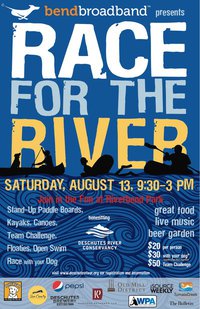
Difficult to capture, because of his very humble nature, is the degree of commitment that Chip Booth has for the recipients of this community-connecting fundraising event. So many locals have been working for years for the Bend Paddle Trail Alliance. No less dedicated are those who work for the Deschutes River Conservancy – and many are active for both important river initiatives. In this economy, it’s not so easy to reach deep into our own pockets for causes – even when we believe in them with a passion.  We’re all very busy, and investing weeks on end to a community event can be as challenging – as the long course in the Bend Paddleboard Challenge – maybe more. 

But Chip Booth stayed the course and we appreciate the opportunity to enjoy our favorite sport together with paddlers and spectators right in the heart of our home town. If you enjoy our wonderful Deschutes River recreation and sport environment on any sort of floating, fishing, hiking, or other way, take the time to explore the ways you can help Chip, and all the river-lovers in Central Oregon to make our river environment the best it can be.

Just as Chip is a great person-resource for our hometown, so is the beautiful Deschutes, Go out, play and enjoy!