Zen Adventure with Starboard

PICK TRASH, PLANT TREES, GO PADDLE
In March of 2023, Starboard created a contest in which participants entered by logging in to the Blue Tiki website. Throughout the next months until October 1 participants created a community of #FutureFighters engaging in “Blue life” choices and activities.

While the first prize was a “Zen Adventure of a Lifetime,” an all inclusive 5 nights at the exquisite Cora Cora Maldives resort, every single participant (along with their local waters and beaches) won! By logging in to Blue Tiki, joining the communities, accepting Missions and completing Activities we all connected for BIG changes while earning the Blue Tiki digital social currency.

From spring, through summer and into the fall there was no end to the fun of completing ACTIONS and MISSIONS

It was fascinating to “meet” fellow participants via their Instagram posts. Motivation to get out on the water and to make a habit of collecting rubbish along the way created many personal journeys towards a sustainable future. We all made a positive impact on the planet. By showcasing our passion for sustainability, we all made a difference while inspiring others. And the fun is not over – you can start TODAY.

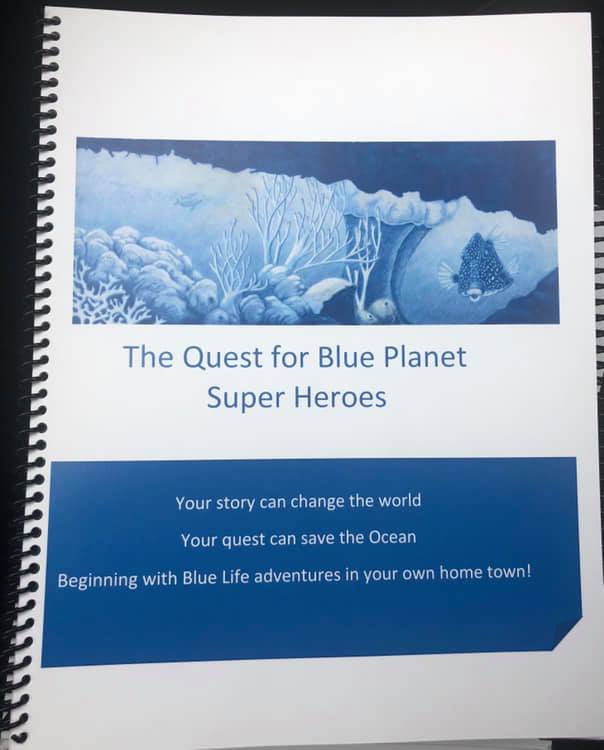
Personally, I was inspired to revise my “blue life” journal for kids called The Quest for Blue Planet Super Heroes. Just as earning “Blue Tiki” currency motivated me and my choices, it’s a known fact that journal writing can also embed a person with desired habits – and the 28 day journal is designed to help young people do just that.

But that’s not all! Contained in the journal is a 10-chapter adventure led by kids that is designs a community-wide scavenger hunt and “blue life” awareness wrapped in action and fun. The Hunt to Save the Ocean provides young readers and their families or teachers with a roadmap toward making an astounding difference.

Does MacGyver FreeWing?

Oh yes, a female MacGyver does FreeWing and that’s a good thing! Do you remember watching the MacGyver series in the mid 1980″s? MacGyver was shown to possess a genius-level intellect, proficiency in multiple languages, superb engineering skills, excellent knowledge of applied physics, military training in bomb disposal techniques, and a preference for non-lethal resolutions to conflicts. But this past Sunday, I was the MacGyver and it’s a dran good thing that I was or I would Have missed my last opportunity to zoom around Elk Lake with my Starboard AIR FreeWing V2.

Here’s the situation. In a few days I will be getting a knee replacement. My 74 year old left knee is toast. In order to keep playing hard on and off the water it needs to be replaced! I looked at the Wind App and realized that the only day between Sunday and my surgery that there would be any substantial wind at a local lake was – SUNDAY at Elk Lake.

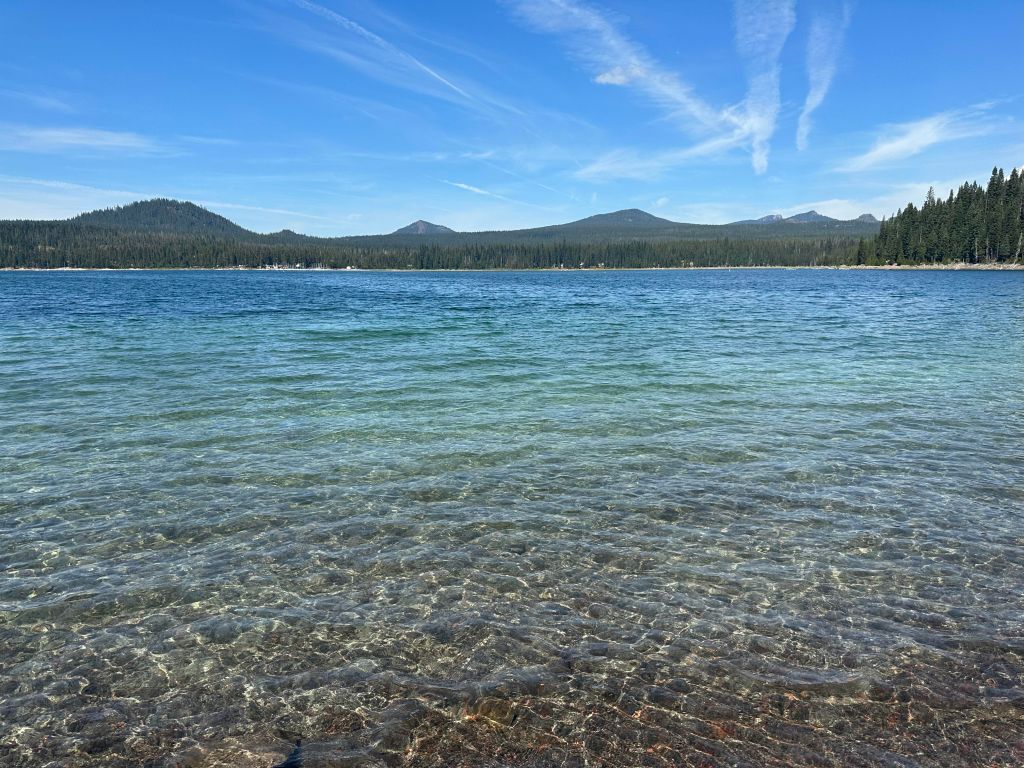
I packed my gear and headed on up there with a picnic lunch, a sweet beach chair and lots of excitement. A “last day” for anything holds much expectation. Once I got my new knee and rehabbed, it would be winter here in Oregon. So this special day was IT! And beautiful Elk Lake did not disappoint!

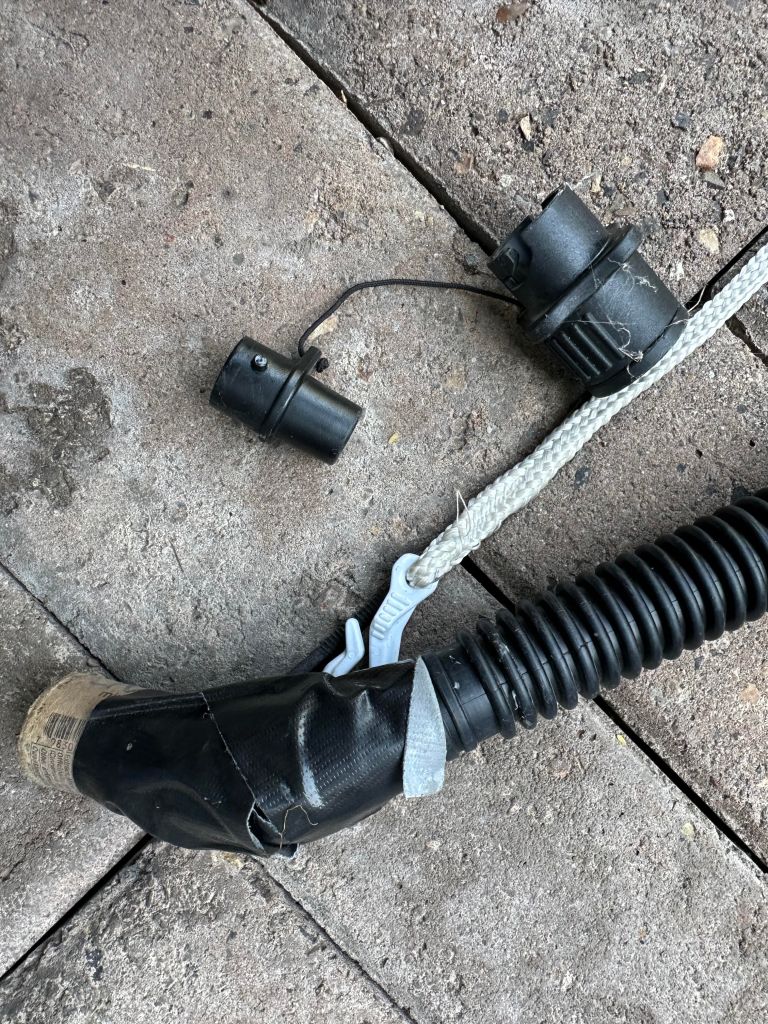
By 2:00 the wind had filled in as perfectly as possible, so I got ready to inflate my 5M FreeWing AIR v2. That is when I noticed that the nozzle that I needed for inflation had fallen off (again) from the wing pump. I was left with a notched nozzle that does not fit into the inflation part of the wing. I am now at a sparsely populated beach an hour from my home with no way to inflate my wing.

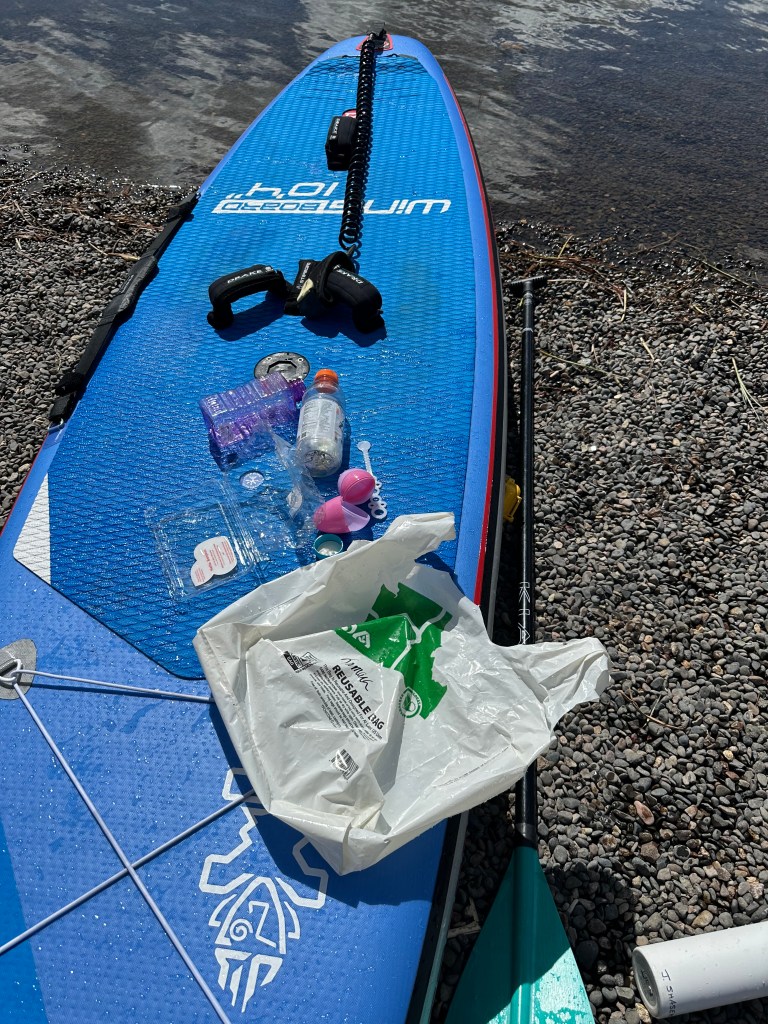
Telling myself to THINK – I looked around at what I had. And then I saw it. The best waterproof sunscreen EVER comes in a cardboard (not plastic) tube. My AVASOL sunscreen tube fit perfectly over the female inflation part of the wing. The pump’s hose now needed a 1/2″ nozzle to insert for inflation. There was none.

The valve and nozzle I needed is shown above the pump hose I had at the lake. My “MacGyvered” solution is the AVASOL cardboard tube duct-taped to the pump hose. And blissfully the setup worked well enough to fill my wing. Not to ideal inflation, but enough for a couple of great hours zooming around on the lake!

You know, when summer is ending and surgery is looming and you are looking at your 75th birthday, it’s time to grab all the gusto and make the best of every day on the water.

aaa

Even though Avasol has been my face sunscreen of choice since Zane Schweitzer introduced me to it half a decade ago, I am an even greater fan now! The environmentally friendly cardboard tube saved an amazing winging day!

Talk about saving the day! Listen to this podcast about Zane and his ‘ohana – and the work they are doing for their Lahaina community.

FORE! Golf Ball Alert

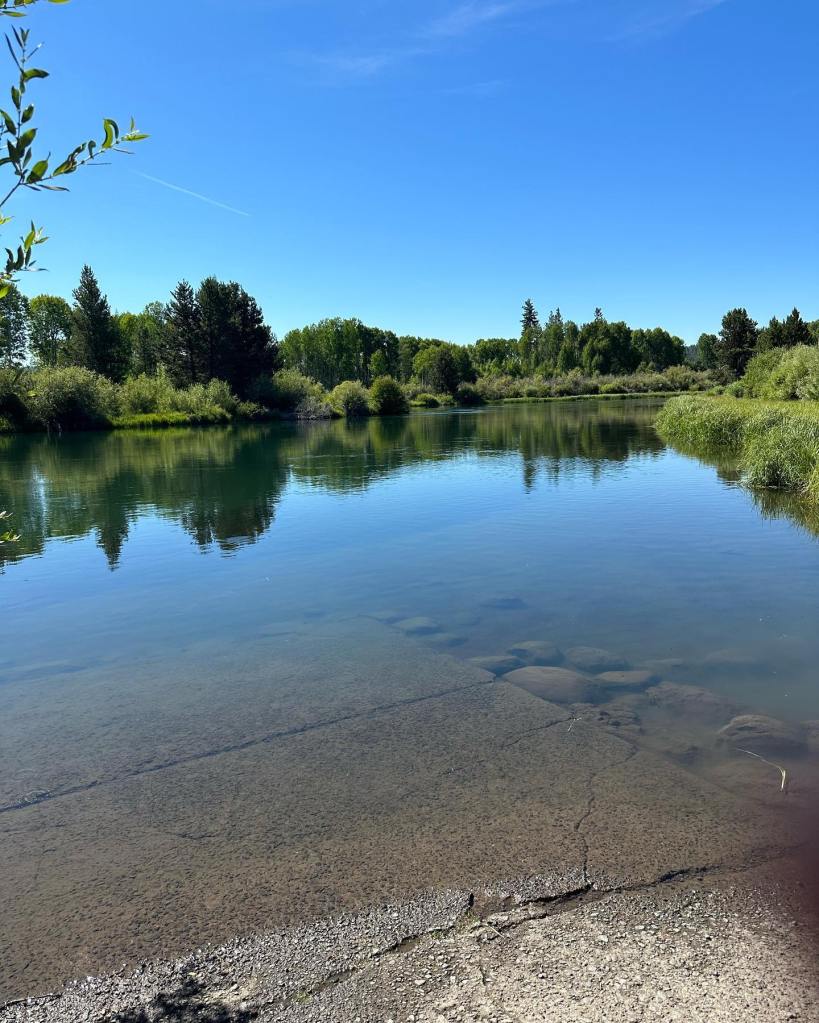
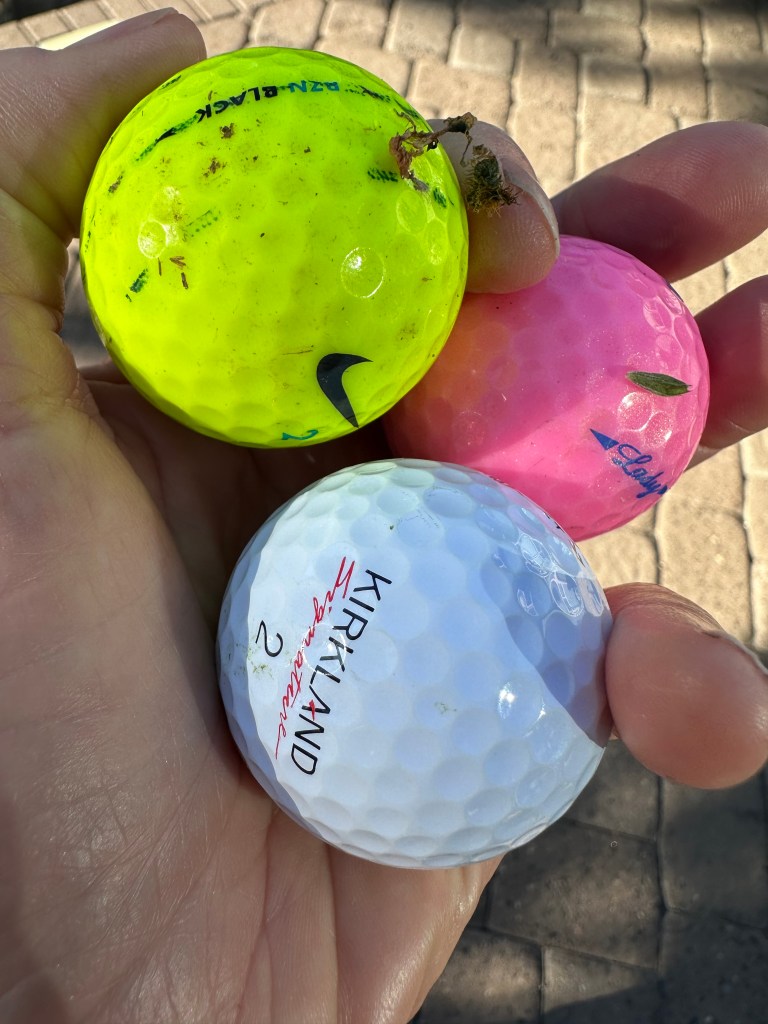
I often paddle is an exquisite stretch of river just 10 minutes from my home. I rarely find any litter at the put in and the single beer or soda can may show up along the way – but I almost always find some golf balls.

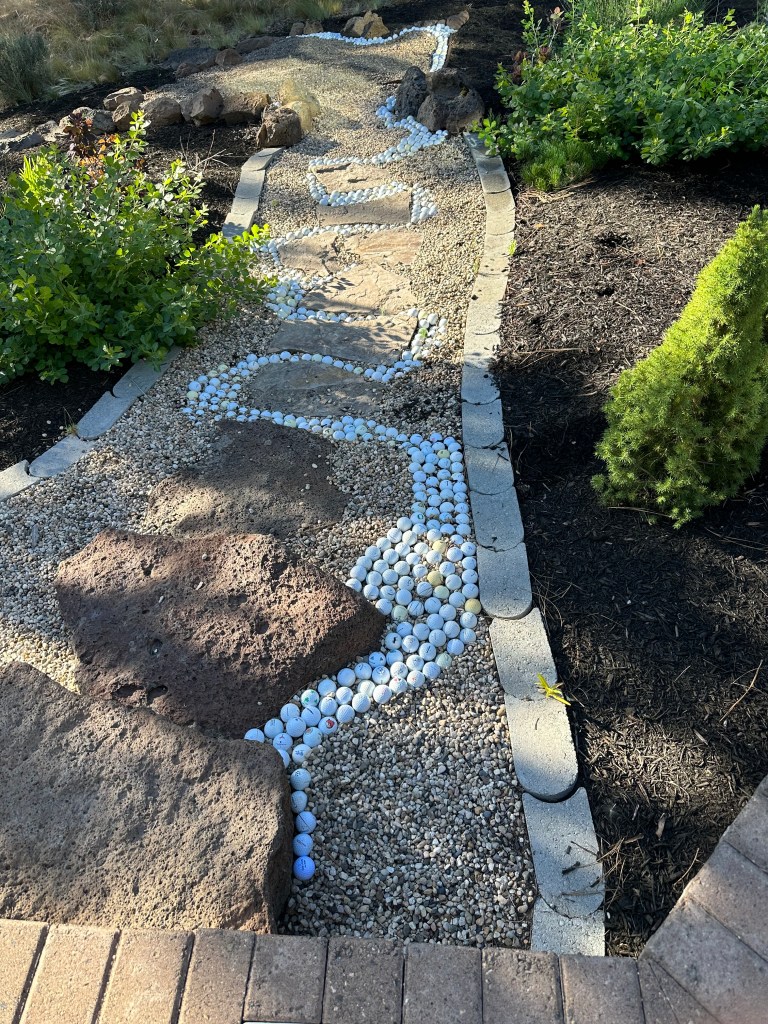
I have been collecting golf balls found on land and in nearby lakes and rivers for years. Over 1,000 golf balls decorate my walking path. During my last paddle I only found three golf balls, but it got me thinking. How much impact do golf balls have on the ocean, a lake or a stream.

I discovered some answers online. It’s reported that hundreds of thousands of golf balls are being found in both freshwater and saltwater sources, there’s clear evidence that the answer to the question, “Are golf balls bad for the environment?” is a resounding yes.

You can’t escape the fact that, just plastic and other manufactured substances, golf balls are essentially litter. In both fresh and saltwater they are bad for the environment and those bodies of water. Golf balls will eventually leach plastic into the water causing issues for it and its ecosystem. 

On my last paddle I collected just the three golf balls I saw, but that is nothing compared to the actual problem. Why are golf balls dangerous for the ocean, and what is being done to remedy this problem? The answer is both thorough and lengthy. You can go directly to

Or you can read what Matt (author of Just Golfin’) shared on his website here.

Into the Ocean Instead of Into the Hole

While we have known about plastic in the ocean for years, there wasn’t a particular emphasis on golf balls and their impact on marine life until a 2019 research paper was published in Marine Pollution Bulletin. 

According to the research paper, the team collected 39,602 golf balls from coastal environments associated with five golf courses in California from May 2016 to June 2018.

When efforts were helped by the Monterey Bay National Marine Sanctuary and the Pebble Beach Corporation, this came to a total of 50,681 golf balls until the paper was published. 

This equaled approximately 2.5 tons in debris. The researchers have estimated that almost 62lbs of material eroded from the balls they recovered.

The Dangers That Golf Balls Pose To The Environment

Despite the ever-increasing scale of the problem, people continue to ask, “Are golf balls bad for the ocean?” because they don’t fully grasp how these synthetic objects can cause damage. The answer is simple: golf balls don’t sit in one place. 

They get moved around, and they corrode, causing environmental damage and even endangering marine life.

Are Golf Balls Biodegradable?

Research from the Danish Golf Union has shown that golf balls take about 100-1000 years to decompose naturally. With 300 million balls lost in the U.S. alone and plenty of these ending up in our waters, this means that the golf balls will be sticking around for a long time.

Are Golf Balls Toxic?

Many people don’t understand the problem since they don’t think of golf balls as toxic. However, they don’t understand that the decomposition process involves golf balls being dissolved and thoroughly breaking down. 

During this process, the balls leak petroleum and high levels of heavy metals such as zinc which can then attach to the ground and poison marine life and plant forms. In addition to worsening the microplastic problem, golf balls in the ocean also leak chemical pollutants.

According to Hakai Magazine, the planet has over 32,000 golf courses, with many of them situated next to the ocean. With approximately one billion golf balls lost every year, a lot of this plastic (almost 100 million pounds worth) is bound to end up in the ocean.

It’s easy to make the leap from the concept of a seemingly innocent golf ball in the water to all the rest – and the list is endless. Beginning with the most unnecessary and ubiquitous one – the plastic water bottle. But that is a story for another day.

Blue Tiki – Motivation

We all love to SUP and we want to keep our waters free of plastic and other debris. Fortunately, a few months ago I discovered a fantastic contest/initiative sponsored by Starboard SUP, Blue Tiki and CoraCora Maldives.

If you haven’t tapped into the world of bitcoin, this is a terrific place to start. Blue Tiki is a social media currency which will be distributed to community members based on their environmental actions. Check out the video here. The program is meant to inspire a global community of watersports fans and changemakers they call, ” Future Fighters.” Once you watch the video and explore the links you will want to join in!

Social tokens are on the rise in the crypto space and brands are embracing it to create more value, engage with their communities and incentivize positive impact behaviors. Starboard has brought the SUP industry a “pioneering move” into metaverse.

Each month their are MISSIONS and ACTIONS one can complete in order to earn BlueTiki currency – and maybe even a trip to CoraCora Maldives.

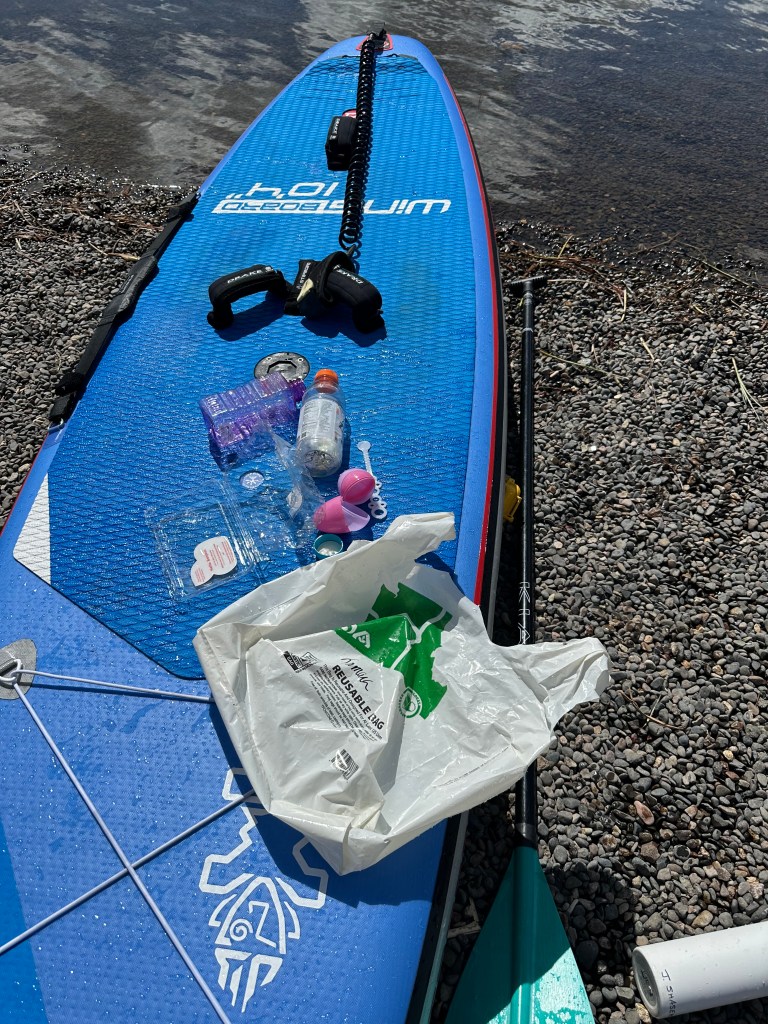
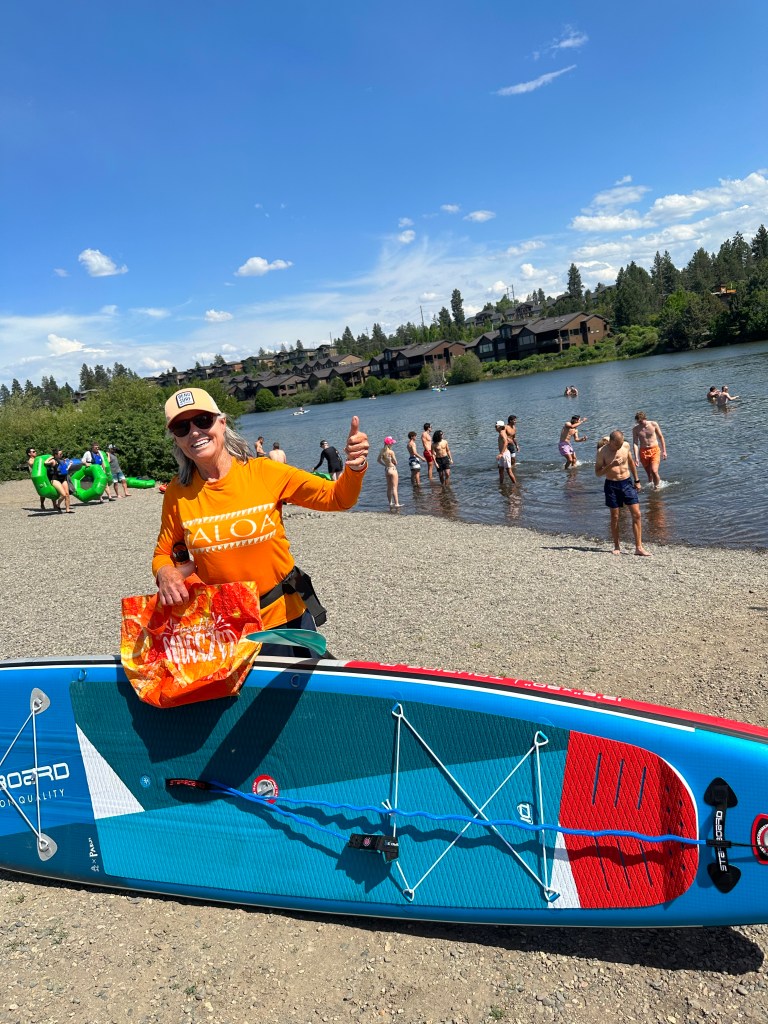
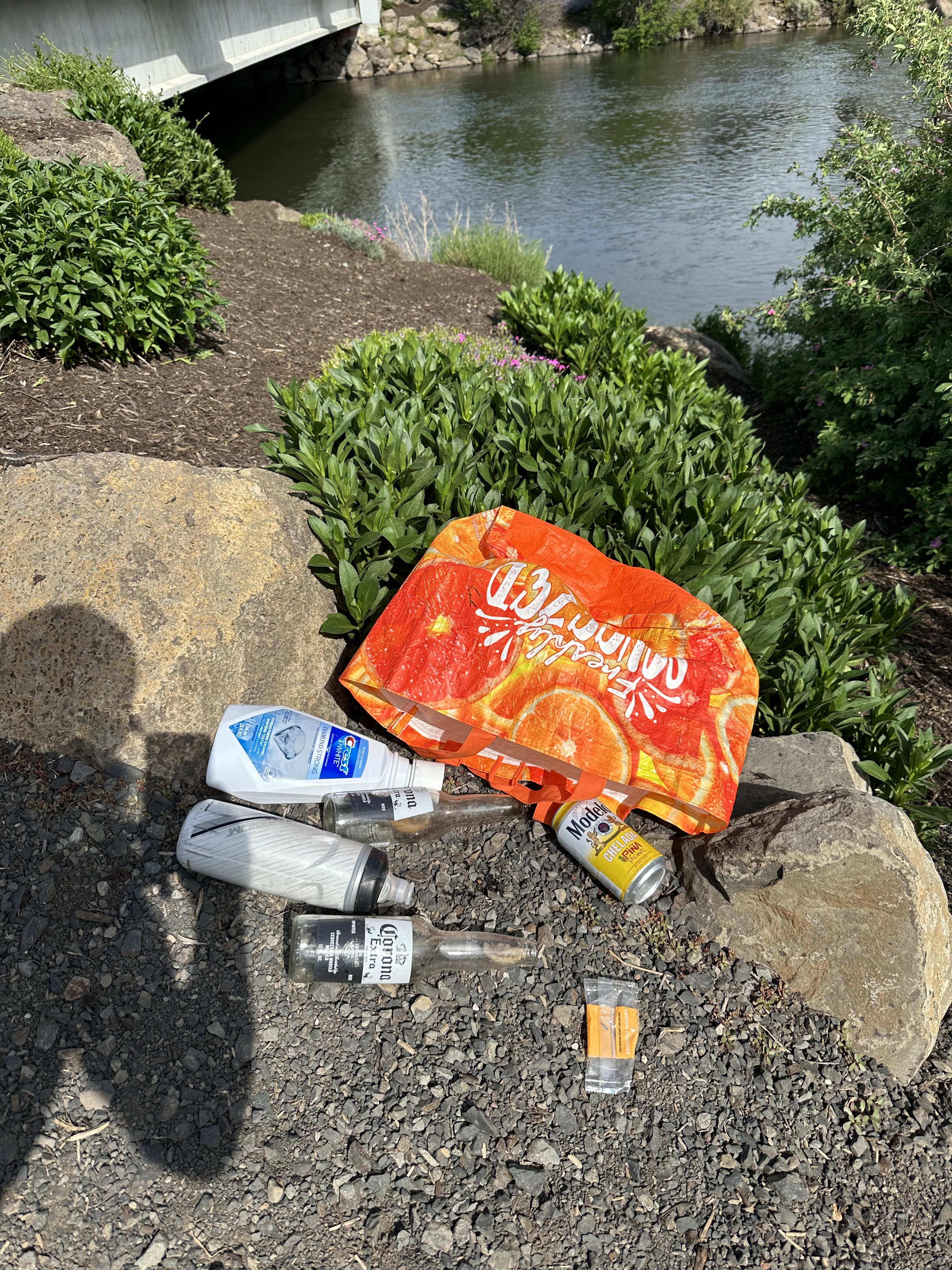
For instance, today I had a wonderful 4.5 km paddle and picked up plastic and trash along the way. Yes, I earned some Blue Tiki currency, but best of all I enjoyed the experience and chatted with others along the way. Inspiring others is key to making a difference. You can too – FOLLOW me on Instagram and get your Starboard SUP out on the water while making a difference for our environment.

Corals and the Invisible Threat

A plastic bottle or floating chunk of styrofoam is obvious plastic pollution. But to fragile coral reefs, it could be the tiniest bits of microplastic that are most devastating!

Coral reefs worldwide are under threat from natural and human-made stressors. These stressors are tough to avoid when dredging and plastic pollution are added to the existing climate change. At EPA’s Coral Research Facility – an indoor wet lab in Gulf Breeze, Florida – scientists are focused on the study of how stressors like sedimentation, ocean acidification, and microplastics are impacting corals’ health.

Recently, EPA scientists studied how microplastics impact two different species of coral and found that long-term exposure to microplastics impaired the corals’ growth. Specialized lab equipment at the facility allows researchers to estimate corals’ 3-D surface areas using 2-D photogrammetry. Unlike other measurement methods that can destroy coral samples, photogrammetry is non-destructive and allows researchers to measure the growth rate of corals without harming them throughout experiments.

“What is still unknown are the exact mechanisms that are causing adverse effects,” EPA Coral Biologist, Cheryl Hankins explains. “Ingested microplastics could block the corals’ digestive tracts, which would either leave them feeling satiated, like they have a full stomach, or prevent digestion of their natural diet.”

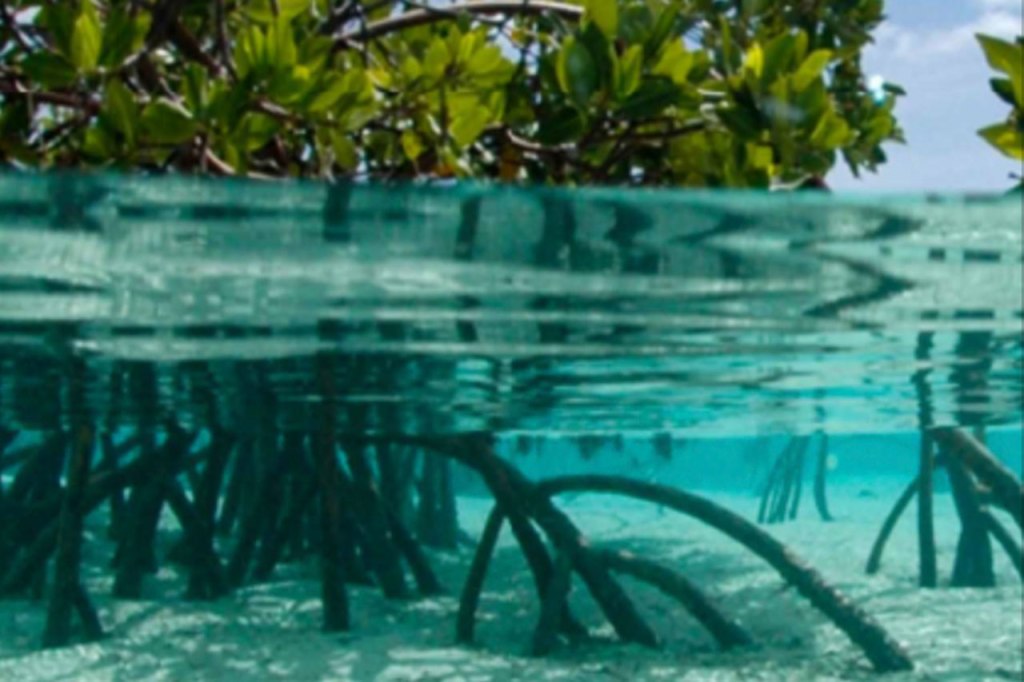
Between our threatened corals and the mighty environmental role played by mangroves it’s important that we all stay aware of both the threats – and the ways that we can support large scale advocacy and actions. For instance, one company you can support and follow is Starboard. Learn more about their “plastic “blue” sustainability programs here. Lots of great stories.

Be a “blue” force all summer – pick up plastic during and after paddling, bring your reusable water bottle and reef safe sunscreen. Our Ocean/lakes/ rivers, streams and coral reefs will thank you. #starboardsup #bluetiki #coracoragoesgreen

Zen and a Meandering River

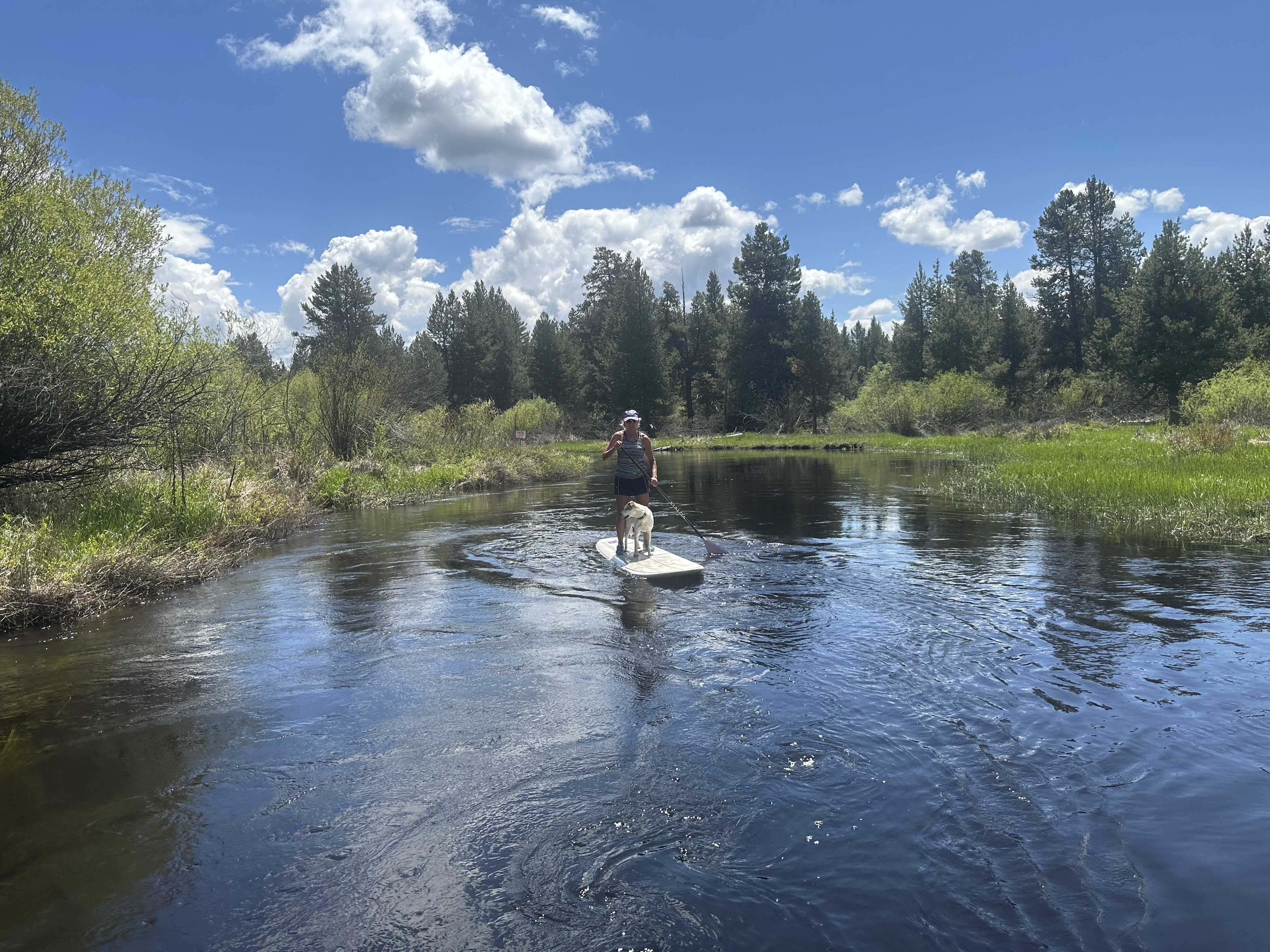
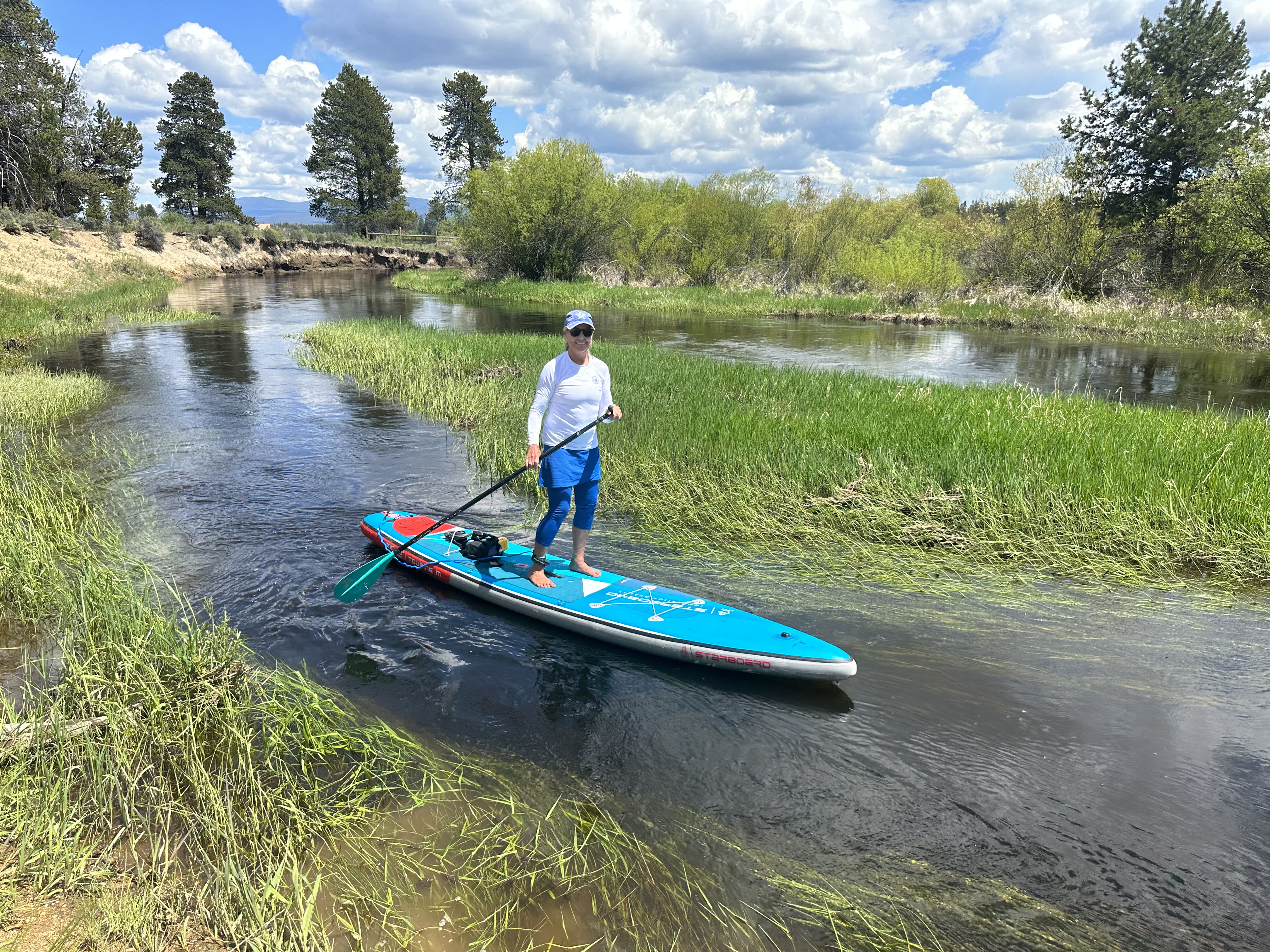
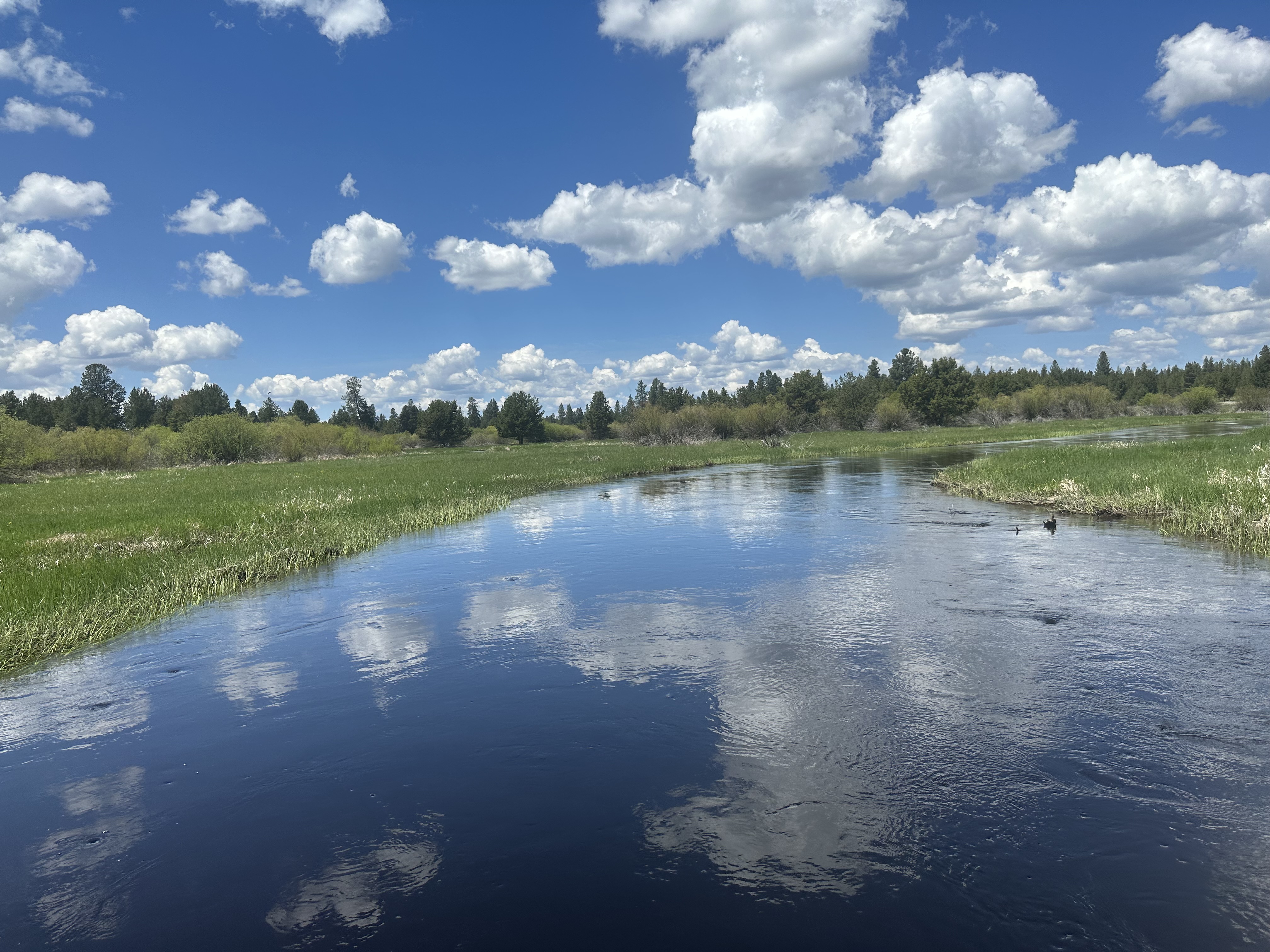
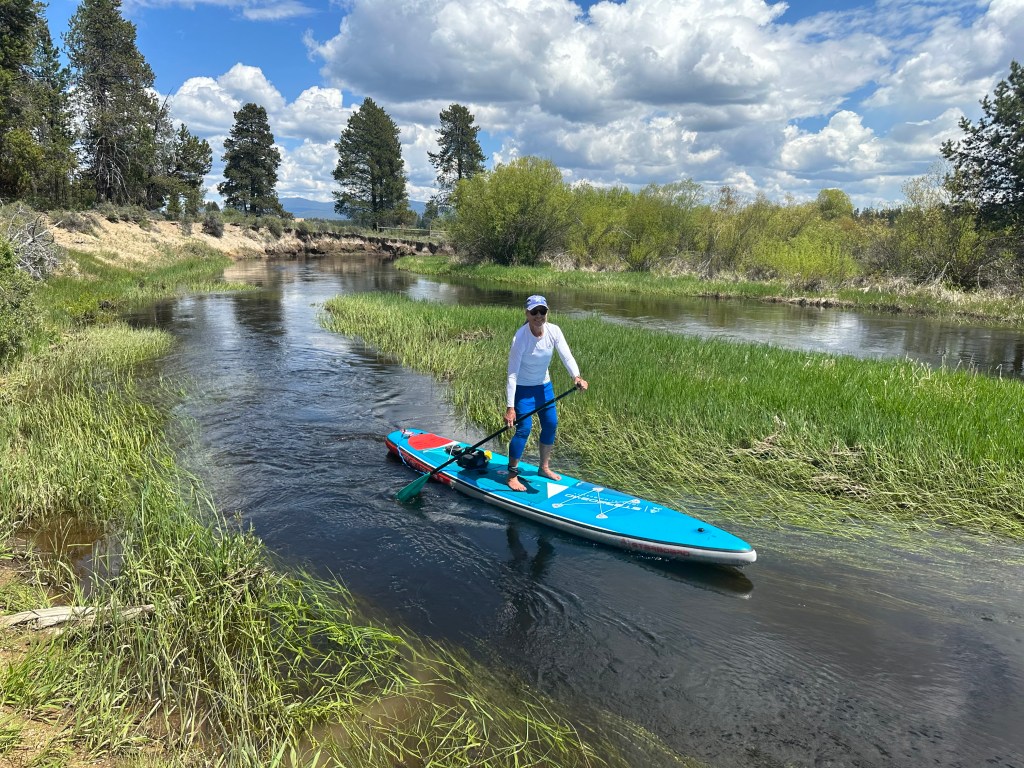
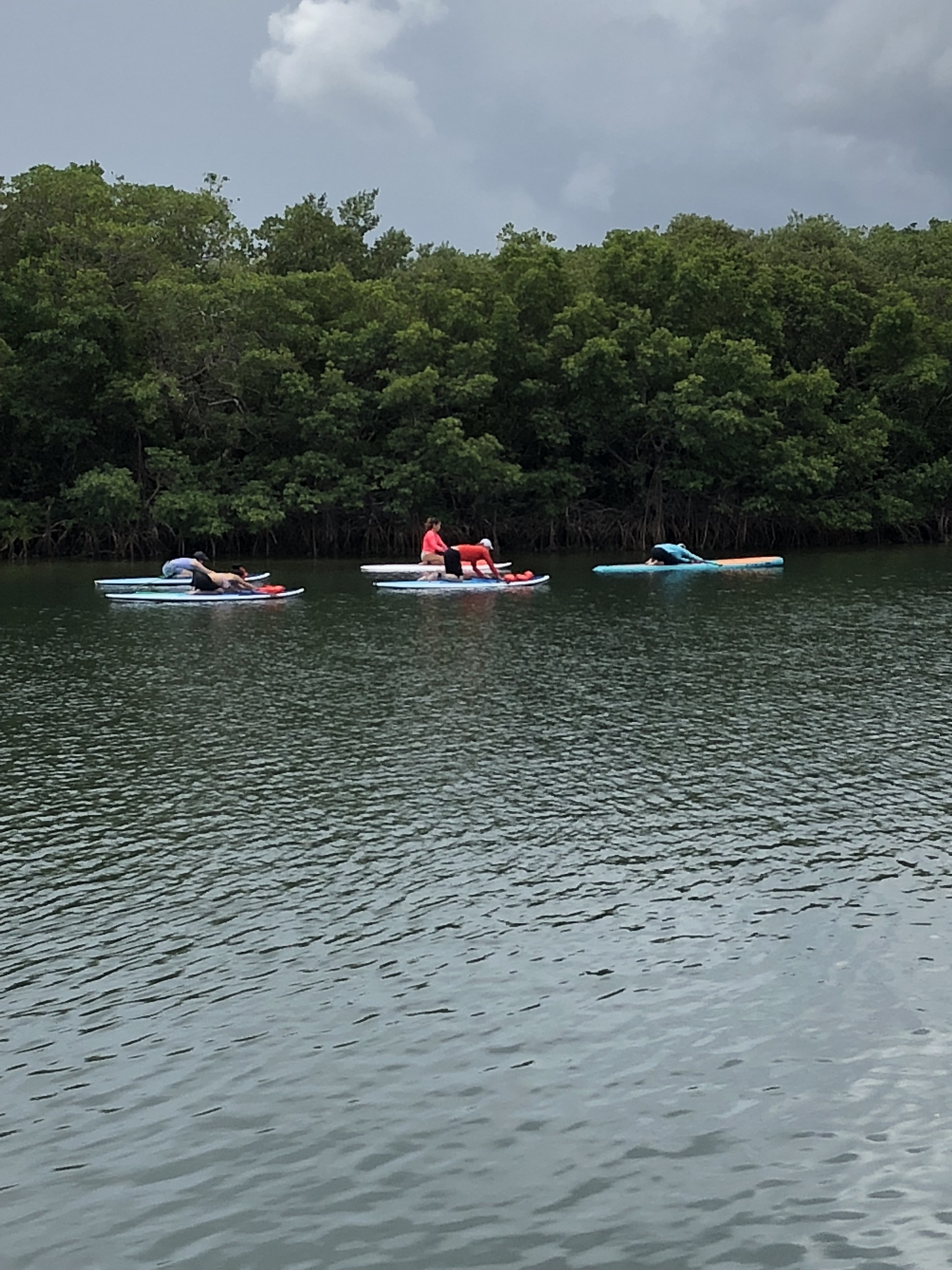
May 28 dawned sunny and warm, with a light breeze perfect for a day of paddling. The plan was to do a shuttle from a put in several miles south of the takeout at Rosland Campground (LaPine, OR). We knew this stretch of the river had a lot of winding turns, but the reality of the paddle was incredibly more than we had hoped for.

ZEN a state of calm attentiveness in which one’s actions are guided by intuition rather than by conscious effort. Along the squiggly, circuitous meandering of the Little Deschutes River it was easy to be lulled into a zen-like state – guided by the downstream currents yet aware of sunken logs and glorious green grasses (that could grab a fin and toss a paddler right into the 52 degree water). Just sayin’

Throughout the 3.5 hour adventure more than 90% of the time allowed us to enjoy wetlands, marshes and swift flowing current with out any interruption by “the hand of man.” A mere 30 minutes from home we were in a wilderness wonderland. The stability and long glides of my Starboard 12’6″ X 30 Touring board with ZEN construction was the perfect choice for the journey!

While most of the shoreline was marsh grasses and wetlands peppered with willows, evergreens and private pastureland (monitored by some scary looking longhorns) there was the occasional sandy bank with a sunny beach just right for a picnic lunch!

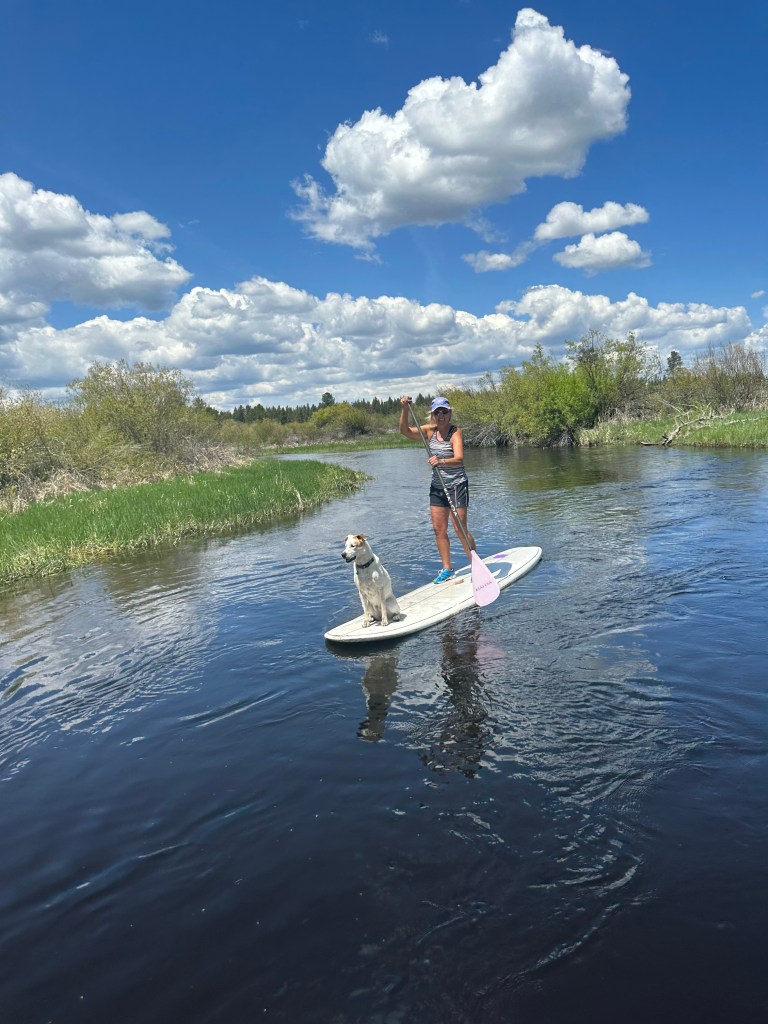
Ahh summertime – inviting ZEN as a lovely state of mind. Even our canine companion posed regally on the nose of Pam’s board as though she was in her own ZEN space.

Solutions Reducing Microfibers: Our Choices Matter

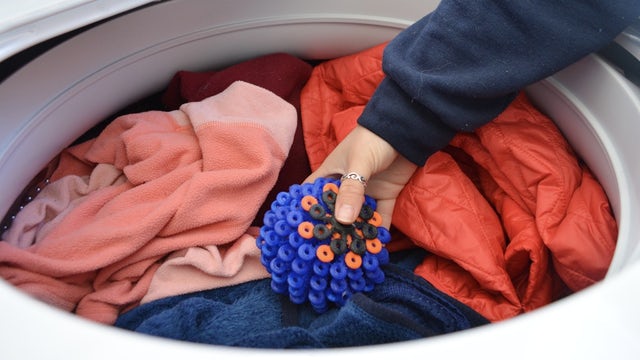
CoraBall32Featured image The Cora Ball, developed by the nonprofit Rozalia Project, can be dropped inside a washing machine to snag free-floating microfibers before they go down the drain. It is claimed to be 26 percent effective.Photo Courtesy Rozalia Project

This article is a re-print of the article posted on NewsDeeply by Mary Catherine O’Connor
Check out that site for many, many great articles on timely topics.

(REPRINT from original) IN 2013, ECOLOGIST Mark Anthony Browne presented the results of some unsettling research to leaders from a handful of major apparel brands, including Nike, Polartec (a major supplier of polyester fleece) and Patagonia. Browne had published a report that implicated synthetic apparel as a possible source of microplastic pollution. Browne wanted the companies to fund research to evaluate how and why apparel sheds fibers, in order to mitigate the action, perhaps by redesigning textile processing or sourcing different material. They all declined except for clothier Eileen Fisher, which provided Browne with a small seed grant. The others said it was too early. They wanted a larger scientific consensus that their products were sources of plastic pollution.

In the years since Browne first approached the apparel industry, numerous additional studies have shown that synthetic microfibers shed by clothing and other manufactured products are being ingested by fish and shellfish, and can be found in food, drinks and even air. It’s still unclear whether microfibers pose a real threat to the health of humans or other living things. Yet, under the specter that they might, academic, nonprofit and apparel industry scientists have started to look at ways to stem the flow of microfibers into the environment.

Solutions to Shedding

One approach to reducing the release of microfibers into the environment revolves around altering textiles to make them less likely to shed fibers into the environment during everyday use or into water when they are washed.

Several years ago the European Union funded a three-year, €1.2 million project known as Mermaids that involved a consortium of European textile experts and researchers along with the anti-plastic pollution group Plastic Soup Foundation. In May 2017, Mermaids issued a detailed report recommending changes in manufacturing synthetic textiles, including using coatings designed to reduce fiber loss. Thus far, no manufacturers have announced initiatives to test any of the report’s findings or suggestions.

Before committing resources to testing new manufacturing methods aimed at reducing shedding, representatives of the apparel industry say they want to figure out how much different kinds of fabrics shed so they can appropriately target efforts to reduce microfiber pollution. And that’s a sticking point right now.

Some studies have sought to determine which fabrics shed the most. But parsing and identifying the exact types of plastics, especially microscopic fibers, found in environmental samples is difficult and requires expensive equipment that many researchers can’t access.

In early 2017, the Vancouver Aquarium, through its Coastal Ocean Research Institute (CORI), announced that it was launching a comprehensive microfiber study with the hope of eventually being able to trace microfibers found in the environment back to the specific brand and article of clothing from which they were shed. Funding for the project includes a $38,000 grant from Mountain Equipment Co-op as well as undisclosed sums from outdoor brands Arc’Teryx, Patagonia and REI.

Each of the retailers provided CORI Executive Director Peter Ross with samples of synthetic garments of various polymers, such as polyester and nylon, from their respective product lines. Ross and his team are running swatches of each sample through a battery of 90-day tests to see how they hold up to exposure to the elements. One set is placed in open air, where the swatches are exposed to wind, precipitation, temperature and humidity variations. One set is submerged in the bay water outside the aquarium, and exposed to biofouling, seawater, temperature variations, currents and aquatic life. A third set is submerged in fresh water.

The group is also using an infrared spectrometer to determine the unique infrared “signature” of each fabric sample based on the unique mix of dyes and additives, and cataloguing signatures both of intact samples and samples that have been through the exposure experiments. The hypothesis is that weathering in these various conditions will give the polymers characteristic signs of degradation, thereby changing their infrared signature in predictable ways.

One project goal is “to help us better understand how these fibers change over time with weathering,” explains Ross. Another is to create a spectral library that in the future can be used to identify the source (brand and apparel type) of microfibers collected from the environment.

“Having over 100 samples gives a great opportunity to look at a wide range of blends, different synthetic materials, weaves and designs,” says Ross. “And with the weathering studies, it’s going to create a really nifty study and database that will put us in a much better position to understand what’s going on with environmental samples.”

Katy Stevens, sustainability project manager for the outdoor gear industry consortium European Outdoor Group (EOG), is encouraging the textile industry to lead research on fiber loss, contending it is better suited than marine scientists to study textiles. She suggests the industry establish protocols for quantifying fiber loss from particular synthetic fabrics, then set standards aimed at keeping fiber loss to a minimum through changes to fabric manufacturing or construction.

The American Association of Textile Chemists and Colorists (AATCC) and ASTMInternational are involved in a standards-setting effort with EOG aimed at being able to pinpoint just how much fiber any given fabric or blend of fabrics will release in washing machines. Stevens says the EOG will work with the International Organization for Standardization (ISO), which most European brands use, to ensure compatibility so that textiles can be tested to a consistent set of protocols globally. The goal is to get a clearer understanding of exactly how apparel is contributing to microfiber pollution.

“Is washing even the biggest leakage point? We don’t know,” says Heather Shields, chair of a microfiber working group for AATCC. “If you’re wearing a backpack every day, how is that going to shed fibers from your fleece jacket?”

Once apparel makers know which fabrics are the worst shedders, the next step is to experiment with new approaches to yarn and fabric construction.

“[Shedding] has to do with the yarn twist. It has to do with the yarn fiber length, the fiber type, the yarn type as well as fabric density,” says Jeffrey Silberman, professor and chairperson of textile development and marketing with the Fashion Institute of Technology at the State University of New York. “There are a million different things that go into whether a fiber is going to [shed from] that fabric.” But, changes to the twist or using a different fabric content has a cascade of other impacts. “It affects the aesthetic, the performance, the cost of the product. It’s a humongous problem,” Silberman says.

MicroFibers-2-1440x1080.jpg

Apparel brands Vaude, Adidas and Polartec and WWF Germany are among the organizations that have embarked on a research program called Textile Mission, backed by a €1.7 million grant from Germany’s Federal Ministry of Education and Research. For the three-year project, the partners are contributing material and subject expertise toward collaboratively developing new fabrics and technologies that will reduce microfiber pollution, but are also “practical and feasible and scalable within the regular outdoor and sports supply chains,” says Hilke Patzwall, Vaude’s senior manager of corporate social responsibility.

Biodegradable Fibers

Another approach to reducing microfiber pollution could be to substitute biodegradable fabrics for the durable plastics used in most synthetic textiles today.

Vaude is testing biodegradable fibers. It is already using Tencel, a brand of lyocellcellulosic (wood-derived) polymer, in place of petroleum-based polymers in some of its products. According to Tencel manufacturer Lenzing, the fabric has been certified as biodegradable in seawater, based on a series of ASTM testing standards.

Mango Materials, a Berkeley, California-based startup, has been developing a
Plastic- Turning Off the Faucet

The movement to stop plastic pollution is growing up.

Working with kids lately through the Blue Life Program I realize that they do not believe the problem is consumers and litter. They want to do beach, lakes, river and ocean cleanup – but they look straight in the face of where the problem originates.

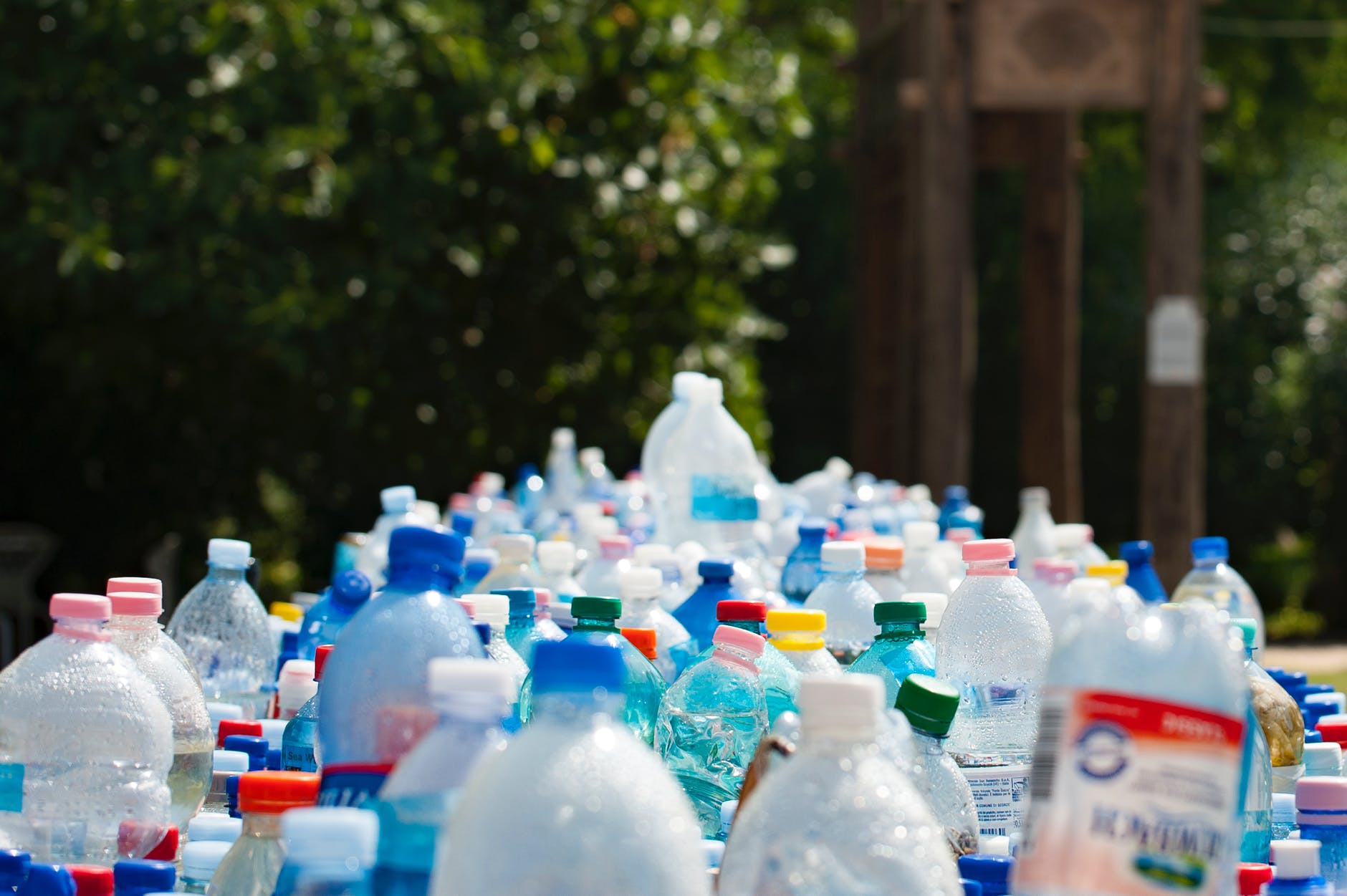
assorted plastic bottles

Photo by mali maeder on Pexels.com

Globally, we are beginning to make progress in engaging plastic producers in conversations about responsibility. We are all getting tired of the stories that blame consumers for litter. Lately we see more honest, data driven narratives that hold corporations accountable for their role in producing waste.

We still have a long long way to go, but the conversation is catching on globally. The challenges and solutions are important to the next generation of environmental stewards. Working with young people is full of a hopeful and optimistic perspective.

How did this happen so quickly? It’s because people like you have been stepping up, speaking out, taking action in your communities and contributing to a global groundswell – every single action adds up.

I hope you will FOLLOW our efforts on Facebook, Twitter and on the BLUE LIFE CONNECTIONS  website

A Tampa – St Pete Gem: Urban Kai

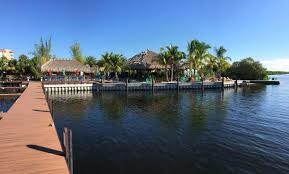
urbankai2Nestled in a wonderful cluster of palms, mangroves and very cool waterfront dining at The Getaway Is a top-notch, full service, vacation-making SUP destination at Urban Kai. Whether you opt for Tampa or St. Petersburg locations for lessons, tours or yoga, a great experience and fun will be yours!
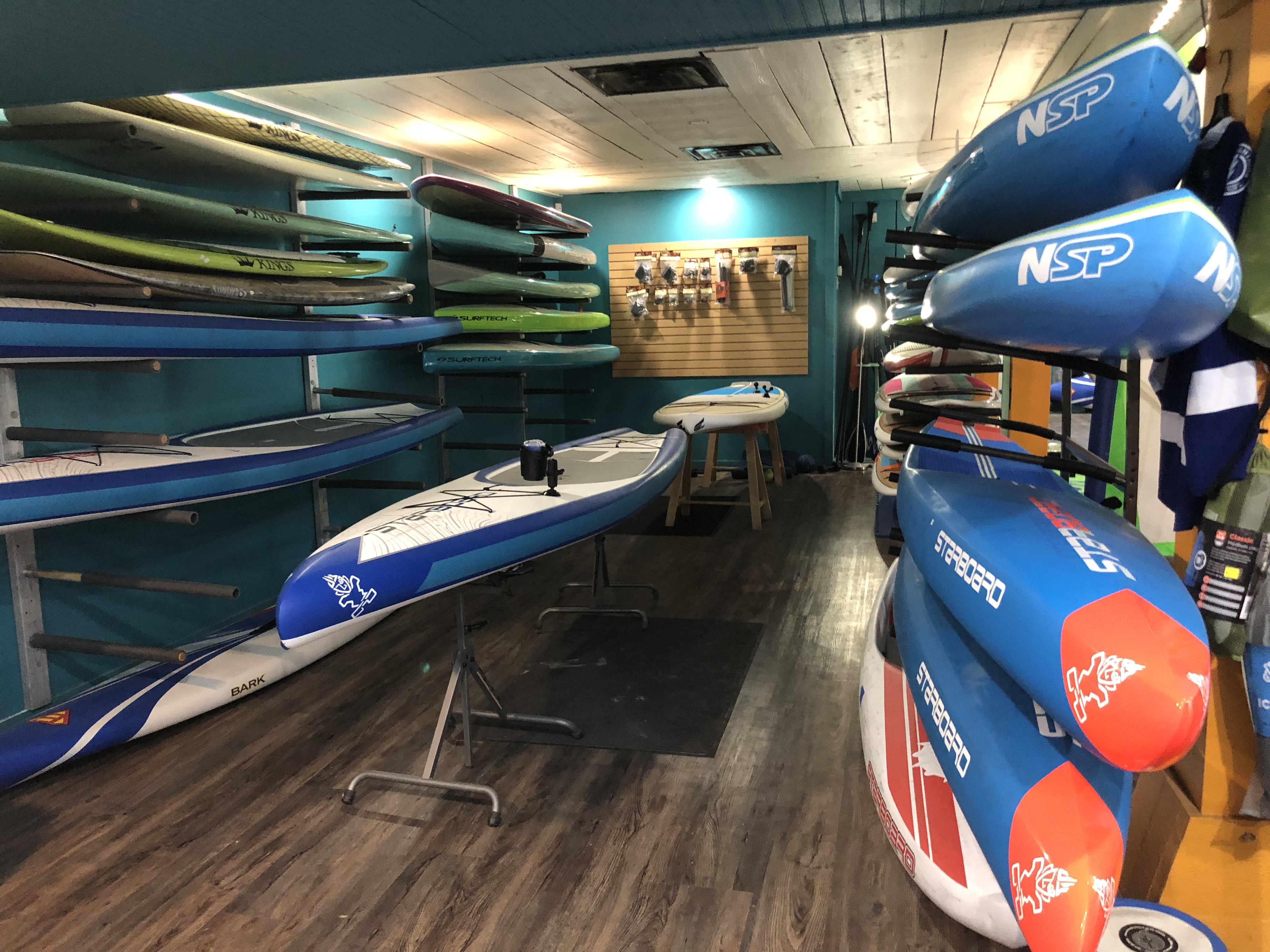
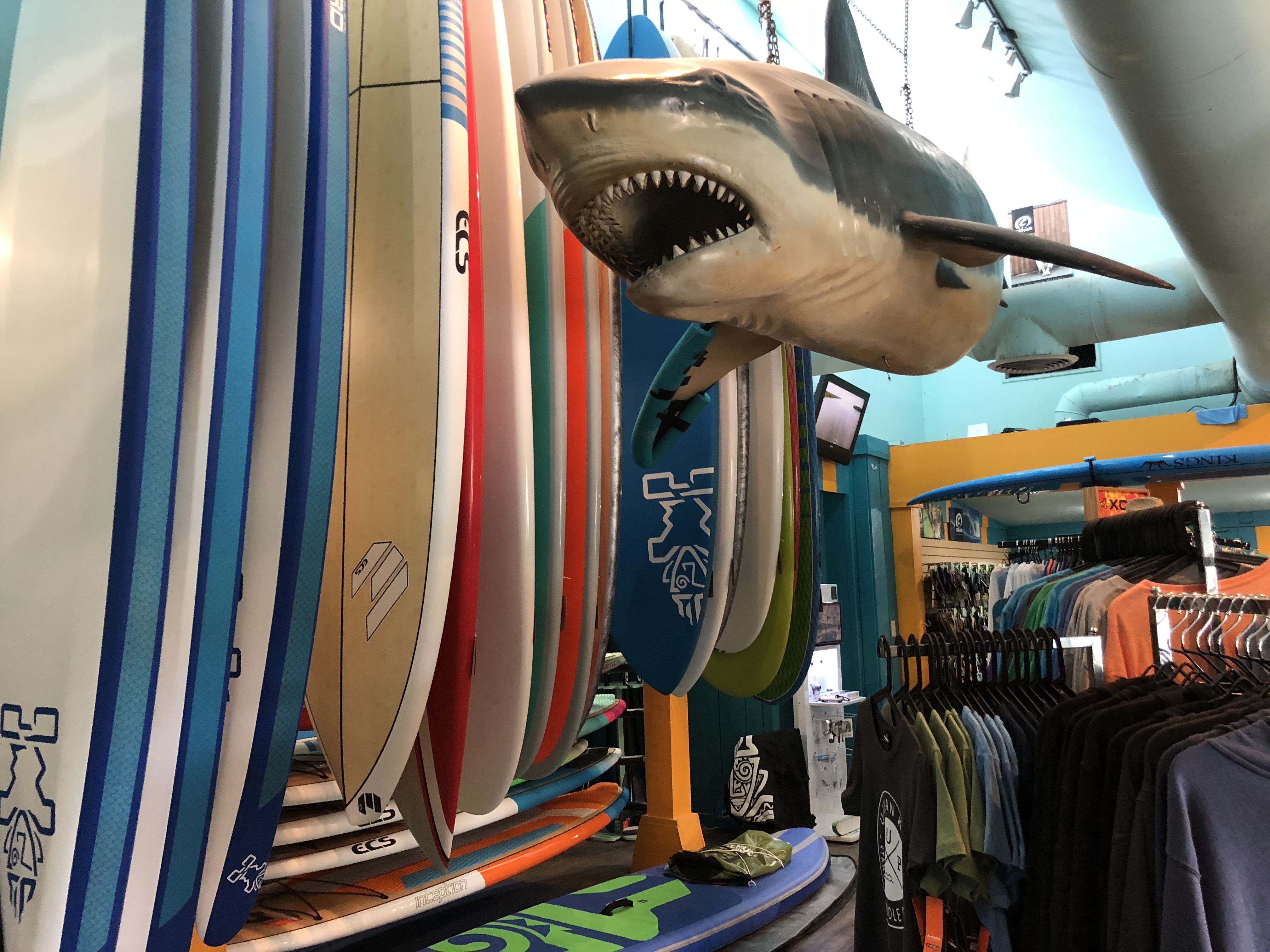
While the array of paddleboard options to rent or buy is excellent (with one of the best Starboard selections I have seen), the team at Urban Kai makes all the difference. You get a glimpse of the “aloha” culture alive and well on the west coast of Florida the moment you enter the front door. A hand painted sign gently reminds you to “remove your slippahs” before entering. Bare feet on wood floor – step into the retail area and join the Urban Kai ‘ohana. IMG_1577

When I was chatting with Ida, I happened to mention how cool it was that their neighbor restaurant, The Getaway, was using paper straws and compostible utensils. Ida shared,”We are very happy about that, too. We encouraged them to make the change from plastic and they switched over just a few weeks ago.”

IMG_1578

This is the only shark I hope to see in the Gulf while paddling/ Look at that shop!!!

That only added to my stoke – and reinforced the send of BLUE LIFE CONNECTIONS building in the SUP community.

If you plan to visit the Tampa/St Petersburg area, be sure to connect with Urban Kai. They will help you get involved in the popular, low-impact fitness phenomenon of stand up paddle boarding. Whether you’re interested in buying or renting a board, taking a SUP class, or joining them for a paddle boarding adventure, they’ve got the products and services you need for an exhilarating experience out on the water. Their friendly, experienced staff members are a fun bunch of folks dedicated to providing you with personalized service and expert product knowledge.

IMG_1572Contact them here.

Follow on Facebook

Captain Liz Clark: Swell and Awakening

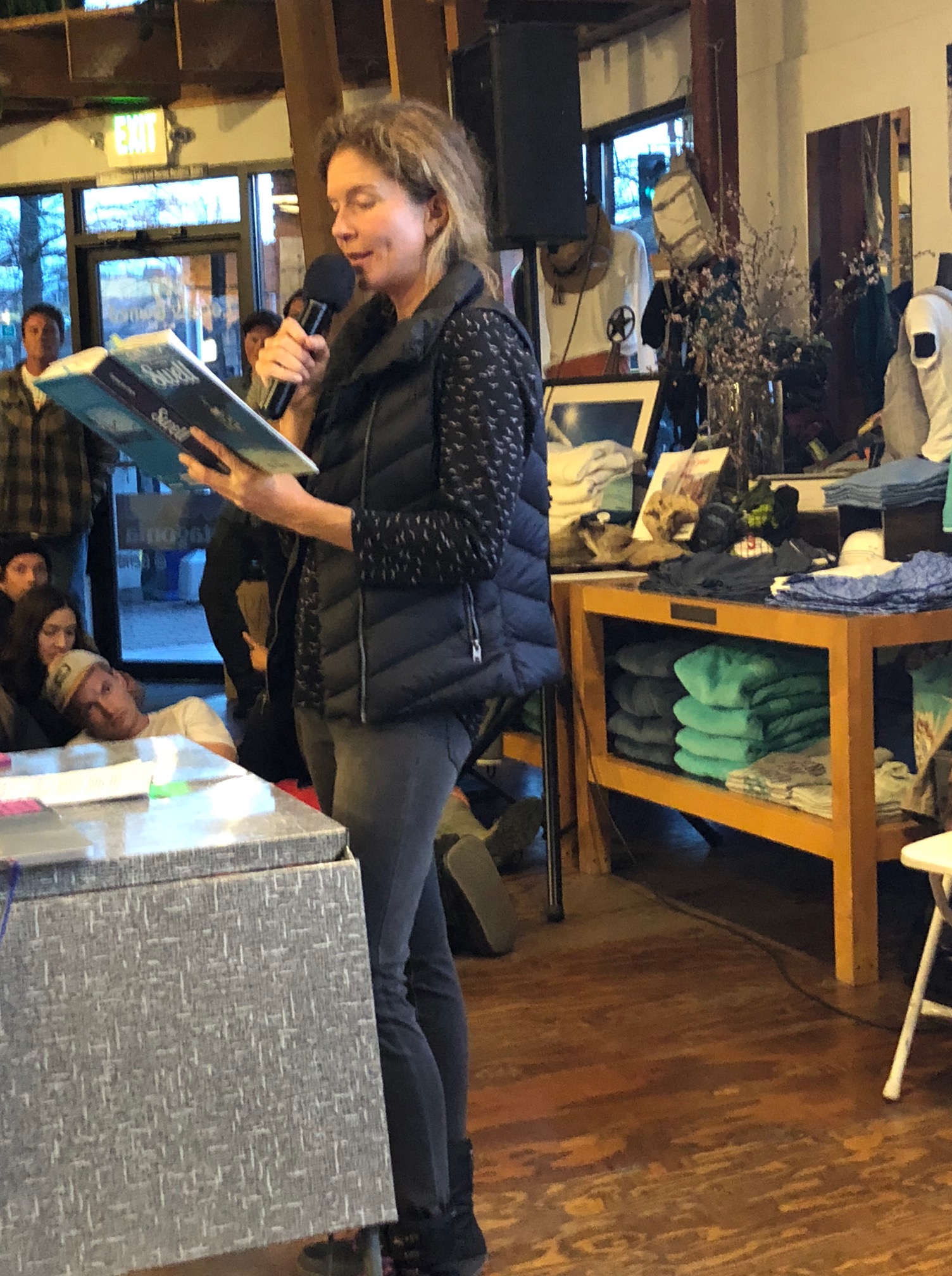
lc-1Last night (April 13, 2018) the Patagonia store in Bend, Oregon had another of many great events (shop local and talk story). It was kick-off night for the Gerry Lopez Big Wave Challenge at Mt Bachelor over the weekend. The BIG story was the stellar presentation by sailor, surfer, author – Liz Clark.

Listening to her stories about living life on a sailboat while traveling around the world (although there were many challenging and difficult times) gave me a flashback to the very first sailing adventure hubby Ed and I took – on our honeymoon in 1970.

Liz took on the Pacific Ocean and the world, then wrote her incredible book, SWELL.. We simply took on the amazing and unspoiled Abaco, Bahamas of the 70’s. On a chartered 25′ sloop we were adventurers – in our own minds- living off the land and sea, because we had no money to spare. It was all here in photos (and a journal) to re-live today after hearing Liz.

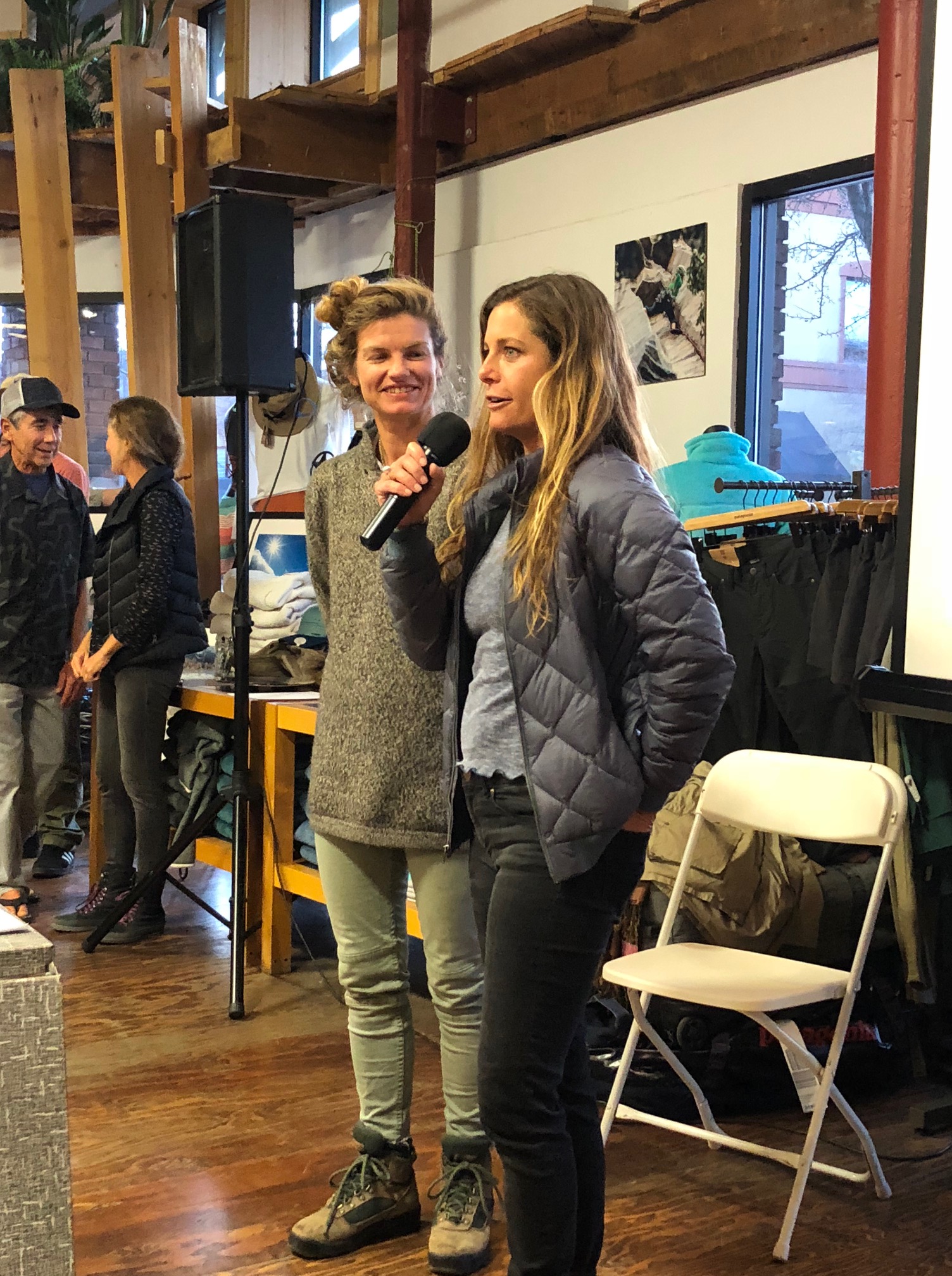
Liz was introduced by two of the team at Changing Tides Foundation. A powerhouse of talented and dedicated women, Changing Tides has many ways we can be “Better Together” when it comes for taking care of the Ocean. Through mentorship and outreach they are changing lives. My favorite was the become engaged with their mission starting immediately is the Plastic Swear Jar Challenge.

lc3Liz shared so many nuggets of genius and inspiration. Not the least, “Living from the heart makes everything possible.” Her message was not about herself or her incredible accomplishments. It was all about staying awake, being vulnerable and connected while living our own best life with purpose.

Yes, you can get her book and really dive in. (published by Patagonia Books)If you’re like me, her final words really hit home – “Take pride in what you do for Mother Earth – she needs you!”