Unknown's avatar

About Water Words

https://elder-sup.com/about-2/

5 Reasons Your Child Should SUP

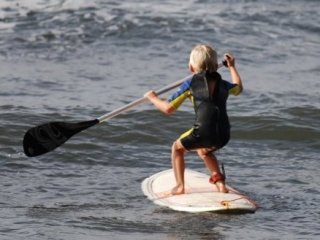
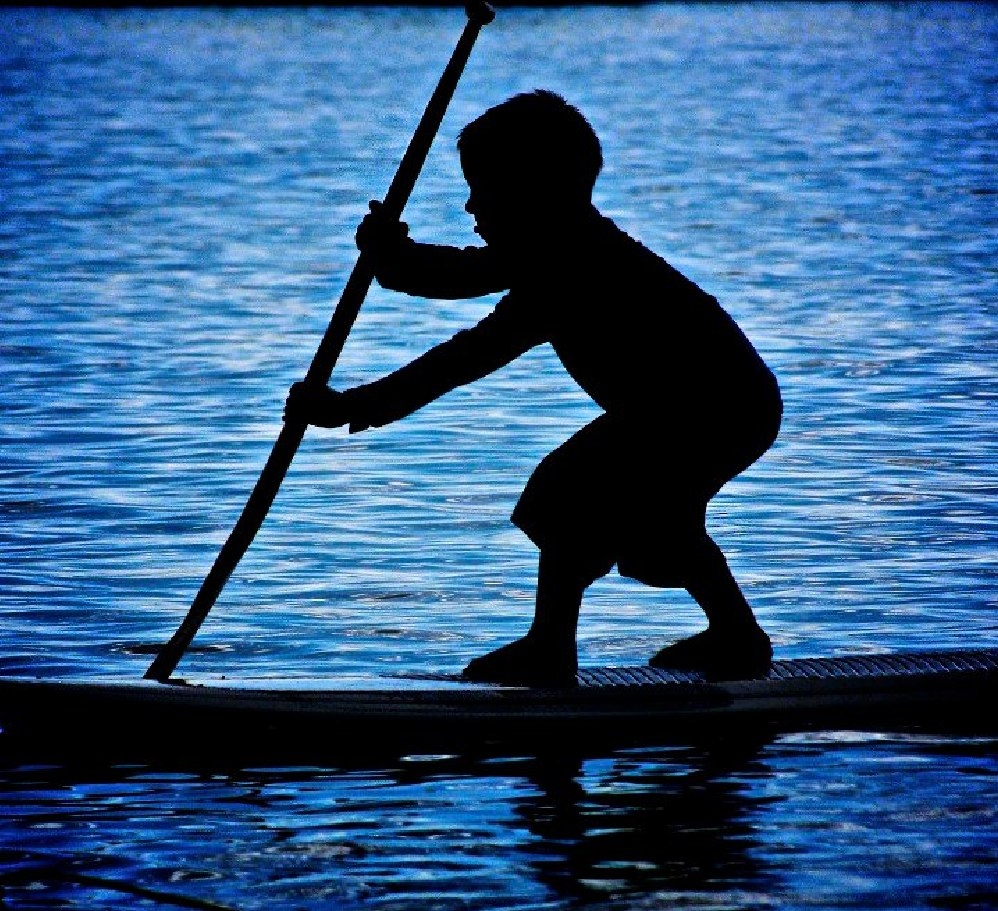
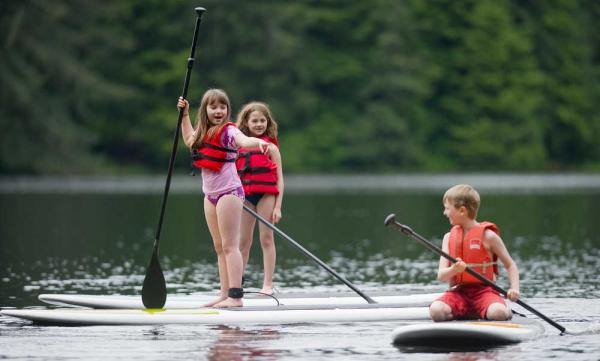
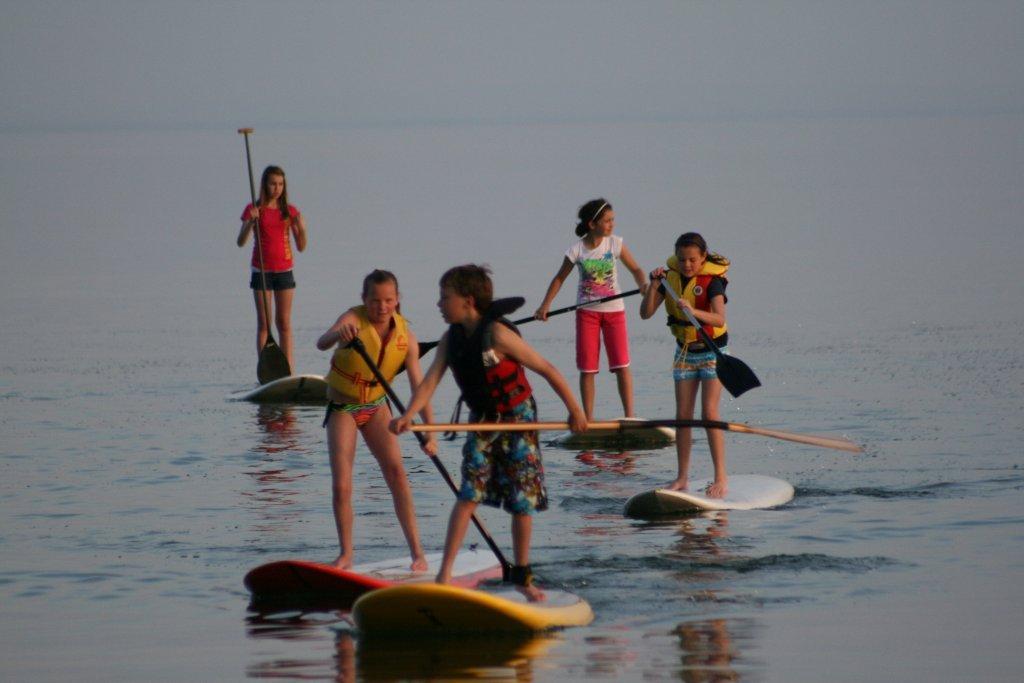
kid1Kids Gain Self-Confidence.  There is simply nothing like being able to go a distance opr explore a body of water with your own physical energy from a very young age.  Riding a bike is one thing.  Skillfully steering and powering a paddleboard is quite another. All of a child’s athletic endeavors helps to shape their sense of self, but SUP opens the door to a community of “waterpeople” of all ages and abilities.  How often can an entire family head out to the water – each independent but connected? How often can a young athlete stand board to board at the start of a race with elite paddlers – who nurture and inspire? kid5

Spatial awareness.  When kids learn how to navigate a standup board through narrow spaces and tight turns—how to avoid collisions, round a buoy with finesse, or squeeze into a packed starting line at a regatta—they develop a spatial awareness that will bring them prowess all activities that involve coordination.  Like driving, for instance.

kid2Sense of direction.  Kids might paddle all week with a class, camp program or clinic – and gain one set of skills. They become able to go out and explore on their own – which delivers a different set of challenges and rewards. By planning a route with guidance, heading out with the right safety equipment a young person can begin to develop a good sense of direction.  Noticing which direction they had come from, picking out landmarks, and knowing how to get back becomes a regular part of their stream of consciousness.  That awareness is crucial to having a sense of direction.

Weather knowledge.  Do you know from which direction thunder storms normally come?  Do you know what the water temperature normally is in cold water climates??  If your child is a standup paddler, he or she will know.   Weather knowledge will come in handy both on-the-water and on land.

kid3Sportsmanship and Community.  Standup paddling has such an easy learning curve as newcomers to the sport start as beginners.  Young people who have put in some time and have gained some skills – usually from a parent or mentor – can easily adopt those roles for themselves.  The nature of SUP events invites connection, fun and even competition across age groups.  On the land or on the water opportunities to share equipment and knowledge are abundant.

Your Little Beach Town: Off-Season Awesome

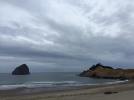
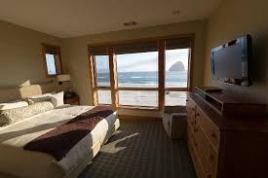
cck4On the deck of Cottage 13 of the Cottages at Cape Kiwanda this morning I was sipping Fogcutter coffee freshly made from the Five Rivers coffee provided in our kitchen. Small lines of waves rolled past the Haystack Rock bobbing a few early morning surfers when two dark “somethings” rolled southward just off shore of their position.  “Whales or seals?” I wondered. Then the playful duo began to roll and ride the waves – definitely a couple of seals out for fun.

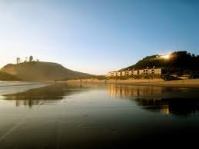
I have probably spent 100 days on this Pacific City beach over the past 10 years in every season and in all sorts of weather. There is something magical and unique about being here in what many consider the “off-seasons” of Fall and Winter. Few crowds, less fog and the opportunity of availability and lower rates at the luxurious 2- and 3-bedroom oceanfront suites of the Cottage at Cape Kiwanda on the Oregon Coast.

cck1

cck2After a day hiking the beach in the “all to ourselves” afternoon in this mid September off-season, we ended our yesterday the same way we began our today – “Good night and good morning” from the cottage deck perched high enough on the dune to give an amazing view of beach life in and out of the sea.

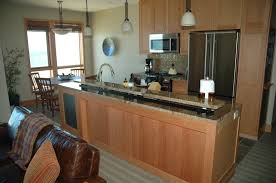
After hiking up the shoulder of  Cape Kiwanda with my daughter – granddaughter squealing with glee in her hiking pack we strolled around sunset gilded tide pools where tiny toes danced in Pacific Ocean waves for the very first time. Ready for the fireplace and some home-cooked dinner we played “gourmet chef” in the fully appointed kitchen. Spaghetti sauce and meatballs simmered in the Cuisinart cookware while music stereo system filled every corner with our favorite tunes.

cck5From the custom-made cherry tables and dovetail-joint dressers, hand-blown glass sconces and rich leather sofas we enjoyed the perfect blend of contemporary and cozy. We have only been here 18 hours – and 8 of those hours were spent sleeping like a baby – yes, even the baby – nestled in the luxury that only top quality beds and bedding can provide.

With our bedroom window tipped slightly open the soothing sound of the sea buoy mingled with sleepy rolling surf kissing the shore. Before heading out for today’s fun we freshened up with a shower that was nothing less than a spa experience in itself. If you haven’t been spoiled by luxurious bamboo linens
and SpaH2O bath amenities be ready for absolute bliss. cck7

Yes! We are ready to head out for another day of fun – and are already looking forward to coming back to our wonderful home away from home Cottage.

Paddle – and P2SUP – For Change

Paddling for the pure joy of sharing the water and the stoke

Paddling for the pure joy of sharing the water and the stoke

We all grab our board and paddle for different reasons. Each day’s session on the water is fueled by its own motivation. Why do YOU paddle? Bob Purdy paddles, in his own words, because, “I have paddled my Standup Paddle Surfer every day since January 1, 2011 to “Change the Way we live on the Planet” Bob invites us all to paddle for the change we want to see in the world (environmental, social, economic) then paddle for it until change occurs.

I have followed Bob’s quest for a few years – he is now past 1700 days in a row- because his commitment resonated with me.  Fortunately, through Elder SUP, I have had the good fortune to meet many folks, like Bob, who head to the water and make a difference – through racing for charities, paddling for a cause or becoming a kinder, more mindful self.

Pick a change, commit to that change,  and paddle for that change until it becomes a reality. We have selected to share our P2SUP guided meditations for SUP with cancer survivors, those battling its effect, along with their friends and family. From Bend, OR to South Florida we recently began a new journey. Connecting the benefit of P2SUP with both experience and fundraising for organizations benefitting cancer research and support is a solid part of our focus.

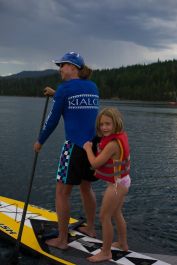
One of my favorite paddling partners is 7 year-old Julia. She paddles with playful gusto and glee, power and perseverance. I think a great deal of the motivation that inspired me to created “Power of Presence SUP” was the hope that some of our guided meditations for SUP could deliver what comes to Julia naturally – a free, accepting, grateful/playful approach to lfe.  In order to best share that goal, I will be sharing P2SUP workshops in South Florida before the Standup for the Cure – Miami event on November 7.julia1st

The more time we spend on the water sharing our first collection of P2SUP guided meditations for SUP the more we realize how powerful that experience is. No matter what skill level, paddlers discover they enjoy the 15 minute P2SUP sessions easily from the first try. Whether or not people practice traditional yoga or SUP Yoga, something in the meditations resonates easily – with what they need right now.

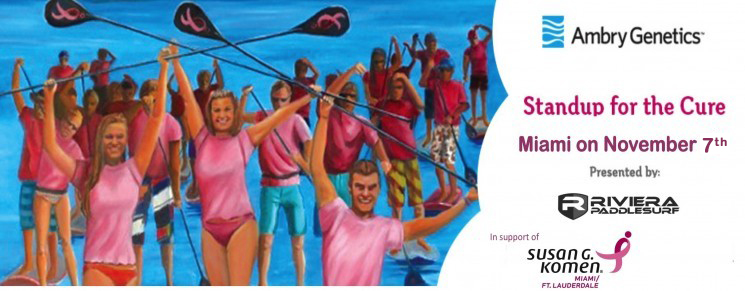
miamiStandup paddling can be a wonderful healing therapy for those dealing with cancer – and an uplifting experience out on the water for family and friends. I wrote an article about Shelby Schweitzer awhile ago. In her words, “Standup for The Cure is the Schweitzer family’s biggest source of pride.  Our aunt, Judie Vivian founded this organization 4 years ago after struggling with breast cancer. ” Judie Vivian and Shelby’s mom, Shawneen,  came up with the idea while on the beach one day. Then Rob and Judie Vivian took the idea and turned it into an annual event that has raised almost  $200,000 to date (2014) for Susan G Komen Foundation.  They set a Guinness Book of World Records for the Largest Standup paddle lesson in the world!!!.shlkeby-cure1

Over time we realized that the P2SUP practice of mindfulness and a tool kits of meditations to use while paddling could enhance the benefits of regular paddling for those dealing with cancer. For that reason we will be giving FREE workshops on the water, evening talks full of stories and powerful information and a donation from every sale made the week of Nov 4-10 in honor of Standup for the Cure Miami. FOR MORE INFORMATION CONTACT US.

As a cancer survivor I learned the importance of both gratefulness and acceptance, of taking time for myself and for friends and family. On the 10th year anniversary of my surviving I chose to paddle ten 3-mile laps through hometown Bend, OR. SUP has been a powerful part of my healing – and active living – process.

Now you can FOLLOW us on Twitter https://twitter.com/P2SUP

UDWC – Stream Stewardship Day

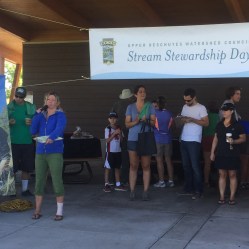
Kolleen Yake welcoming community volunteers

Kolleen Yake welcoming community volunteers

It is a honor to serve on the Board of the Upper Deschutes Watershed Council. From the UpStream event to support their amazing educational program, to so many restoration projects the UDWC is busy all year long. One of their most visible events is Stream Stewardship Day when the entire community is invited to gather at the downtown Bend section of our beautiful Deschutes River to clean up and pull invasive species from the shore.

Large garbage bags in hand, we all set out after learning what each of the three targeted invasive weed species were. About 60 people took to the banks while the divers, about 20, prepared to clean the mid stream channel and others manned support boats and paddleboards. ssd

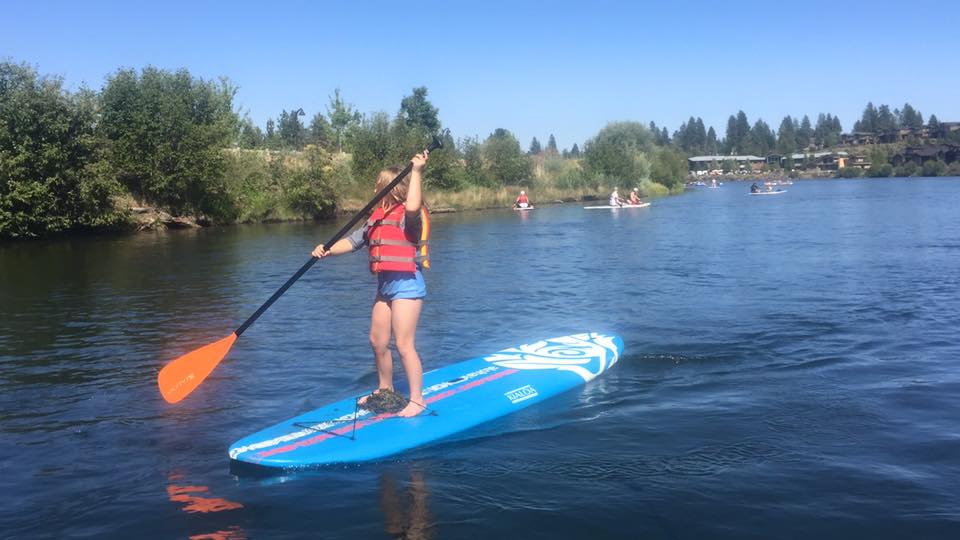
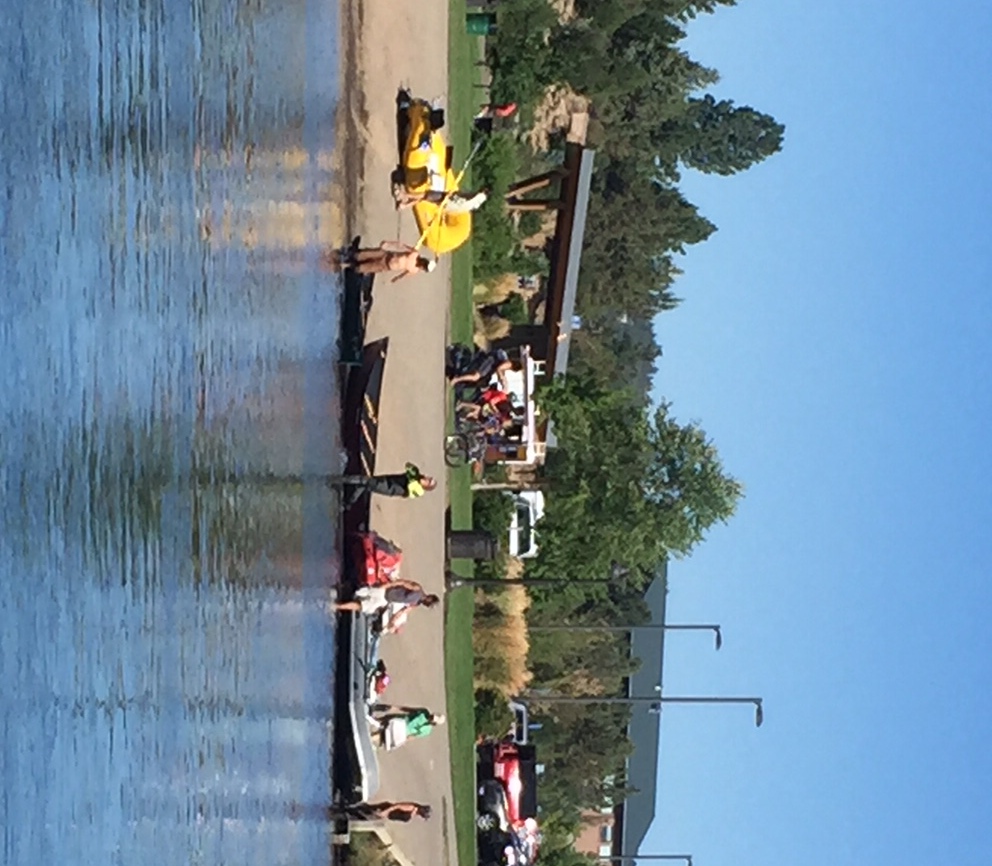
Those of us choosing to hit the water with the divers, canoes, kayaks and SUP boards were ready to get wet if necessary nabbing beer cans, bottles, plastic, a bike, an umbrella, many car keys and more. More than 45 bags of trash and weeds were collected. Most of the largest items (bikes, umbrellas, plastic) came from the deep and fast-moving mid stream area. It is obvious that we need to have a sense of stewardship among the recreational users of our beautiful river. Taking care to keep everything loaded onto a raft or float at the put-in taken OFF the river at the take out. IMG_2859[1]

The best quotes of the day – from the riparian areas:

“There sure is a lot less garbage than last year.”

“Maybe we are making a difference and people are being more careful.”

Yes! and that is the point – we can all do our part and make a difference. Bring a container for loose items and garbage, pick up trash you see floating or along the riparian areas. Here are a few shots of all of us enjoying time on the water.

An anchor, many lighters and a few bottles retrieved from the water

An anchor, many lighters and a few bottles retrieved from the water

IMG_2856[1]

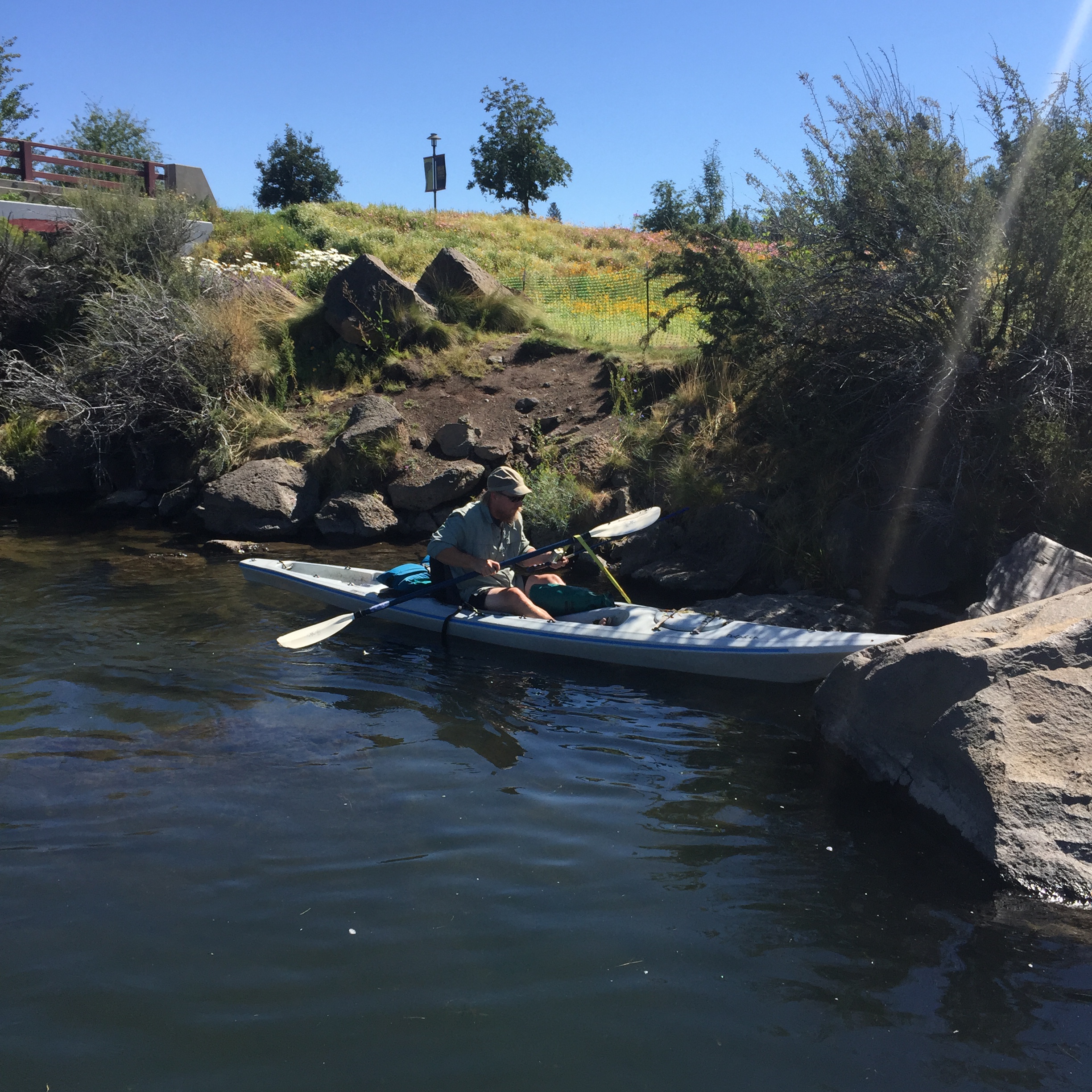
My KIALOA inflatable Napali board was the perfect way to enjoy time as a “River Steward.”

Live Like You Paddle: Jaimie Kinard

jknew1 jknew2jknew3

It’s always great to hear from KIALOA Paddles ‘Elele Jaimie Kinard.  Beyond her exploits in and on the water she is always reaching for ways to share her time and talents.

In June, Jaimie and two friends started “In Her Element,” a Hawai’i-based women’s outdoor adventure and lifestyle blog. One of the friends, Britt Harris, is an ER nurse at Wahiawa General, an avid surfer, trail runner and general fitness enthusiast. Taylor Nelson just graduated from UH and is a talented, graceful longboarder. None of the three claim to be experts in fitness, health or nutrition. In Jaimie’s words, “We are just three regular ladies who wanted a safe space to share, motivate, and encourage other women.”

Check out the blog for for workout ideas or to read/comment on/subscribe to the interesting and insightful blog posts. Jaimie invites you, “We welcome positive feedback, comments, questions, etc as we scoot along on our journeys! Come along to encourage and be encouraged!”

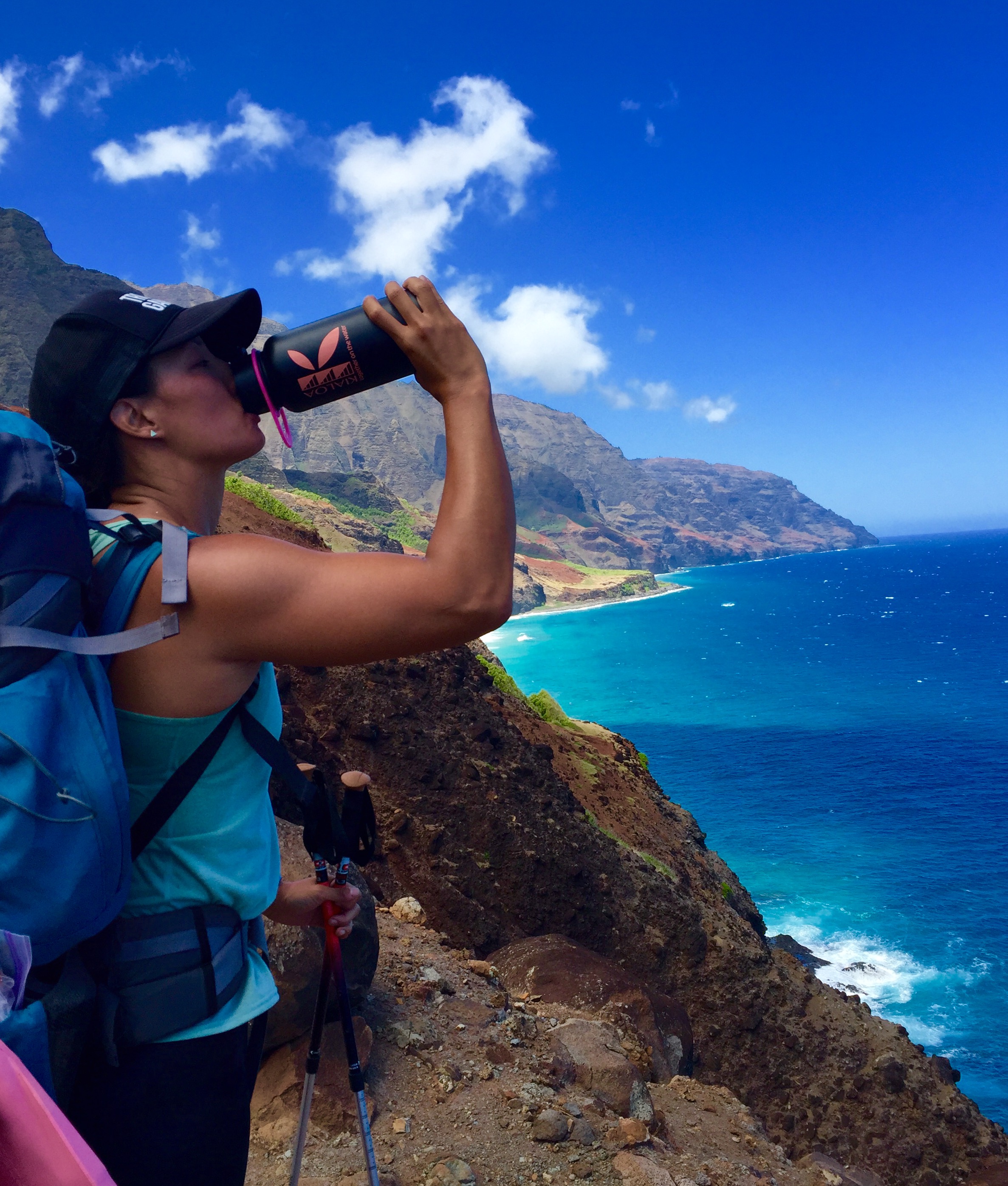
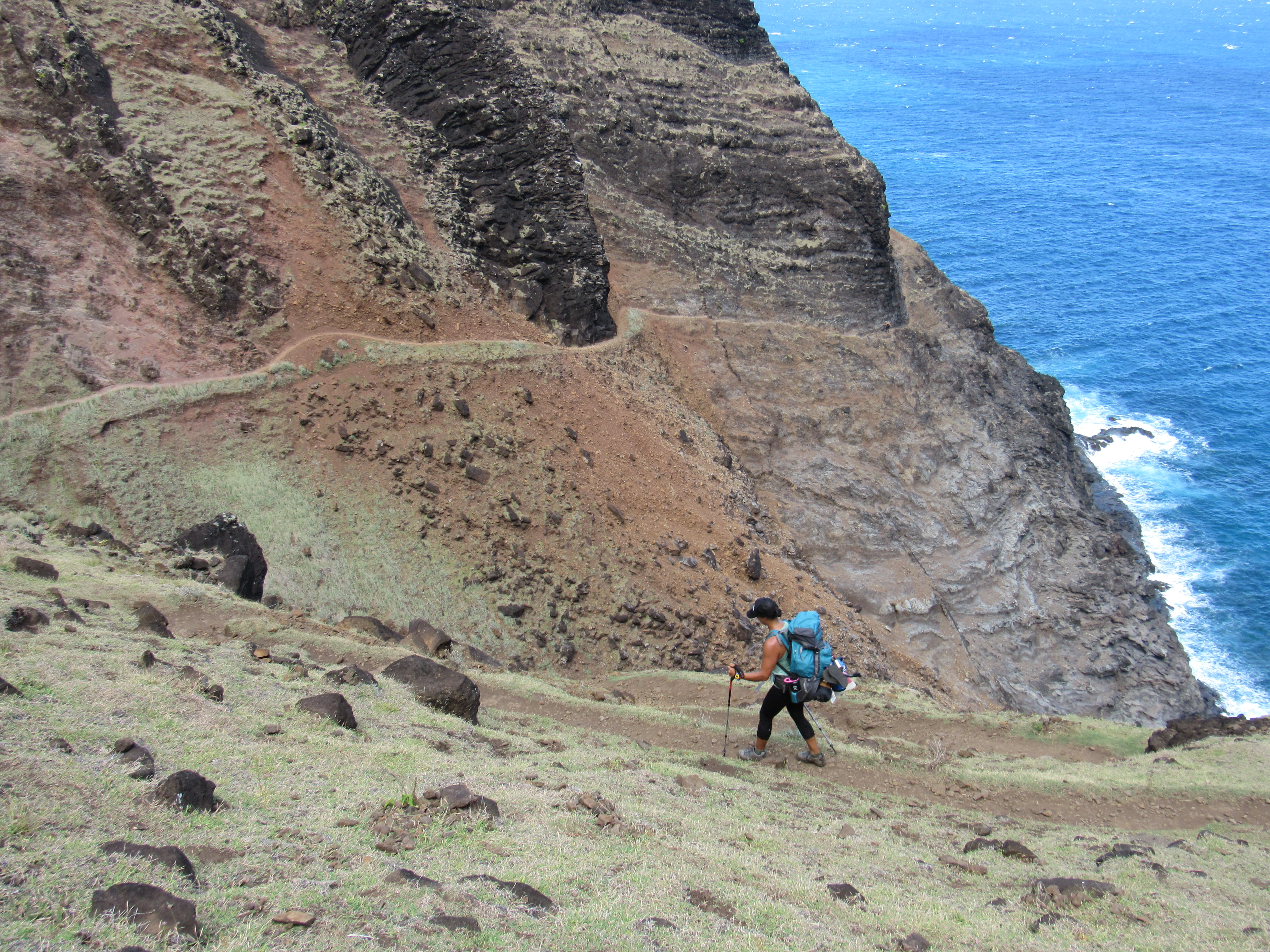
jknew4Other news from Jaimie include quite and adventure with her Honolulu Fire Department (HFD) recruit classmate and dear friend, Sanja du Plessis. They embarked on four days and three nights on the Kalalau Trail on the island of Kaua’i. It was a challenging 11 miles to Kalalau Beach plus an additional 4 to check out Hanakapiai Falls.jknew5

Jaimie was set on seeing the Na Pali coastline from land as she had previously only seen it from the water, paddling by in an outrigger canoe. Jaimie shares, “It was definitely harder hiking the coastline with a 47 pound pack than paddling it, but I was frequently rewarded with jaw-dropping views along the way. I wouldn’t have traded the sweat, muscle aches or lost toe nail for anything.”

Make a Wish: Jaimie and HFD fire fighter Kama Ortiz  volunteer as Wish Grantors for the Make a Wish foundation. They were lucky enough to get a friend/fellow HFD fire fighter’s son as their Wish Kid. He was just recently cleared as NED (No Evidence of Disease) from osteosarcoma (cancer of the bone) and continues with physical therapy three times a week and medication for pain management. On his 11th birthday they presented Kalā Peter with his Make-A-Wish wish.He and his family will be attending the PAX Seattle in August, thanks to Make-A-Wish Hawai’i. Sharing, caring and embodying the many attributes found in her sponsor company, KIALOA Paddles, Jaimie inspires us all.

Be sure to check the In Her Element blog for more.

At KIALOA We Live Like We Paddle

PO’OKELA
Excellence
We strive for excellence in our product and our service through the pursuit of innovation and commitment to quality.
LAULIMA
Teamwork
Our employees,our customers, and our business partners – We are all in this together.
MÂLAMA
Stewardship
We honor the traditions of the past and dreams of the future by caring for people And our environment.

SUP 11-City Tour: Inspiration and Grit

First and foremost a focused and passionate paddler

First and foremost a focused and passionate paddler

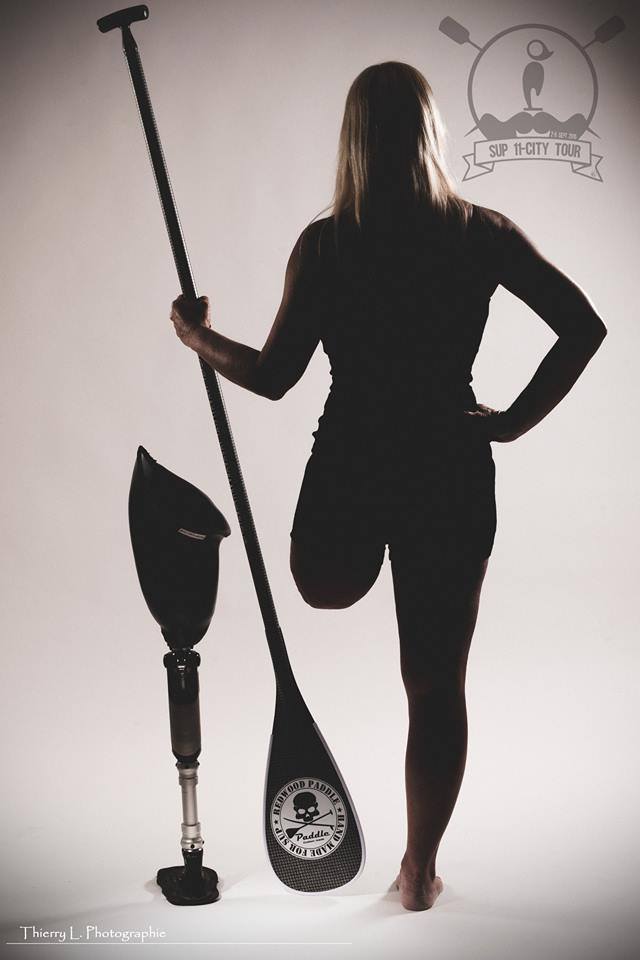
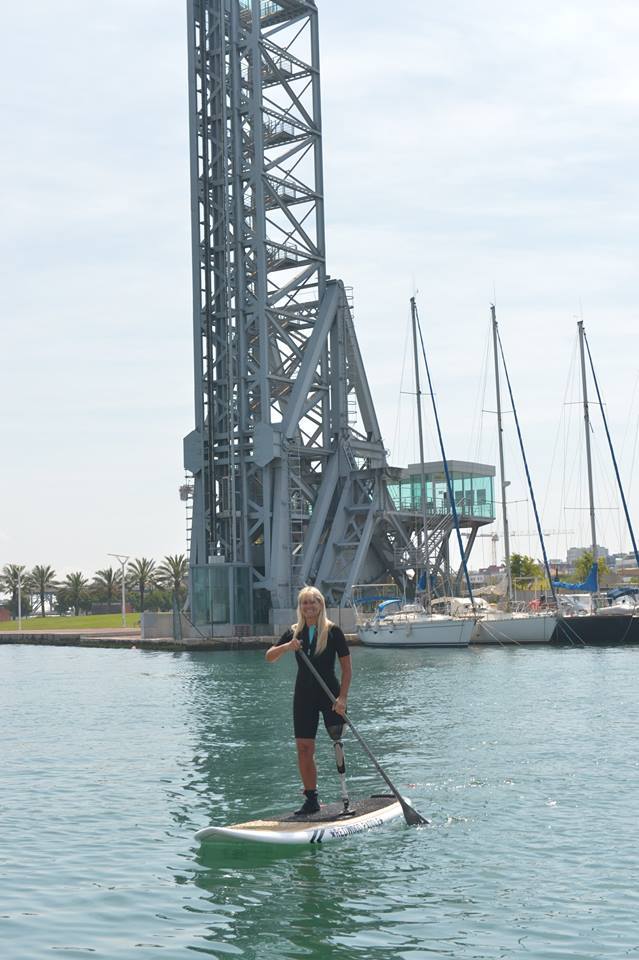
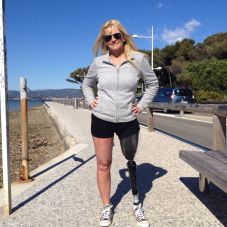
I am pleased to recently meet, Valerie Hirschfield,  the mother of three boys who will kick off Fall with the September SUP 11-City Tour in Holland. The Tour is an ultimate challenge and also a unique experience in which paddlers travel 220 km (136 miles) in five days with weather conditions varying from windless and beautiful to sunny, or cold and rainy.  Ultimate challenge is exactly right for Valerie, who lives her life with zesty energy, a powerful attitude, tenacity and the ability to inspire. You will notice in her photo that Valerie standup paddles with a challenge that might daunt most.

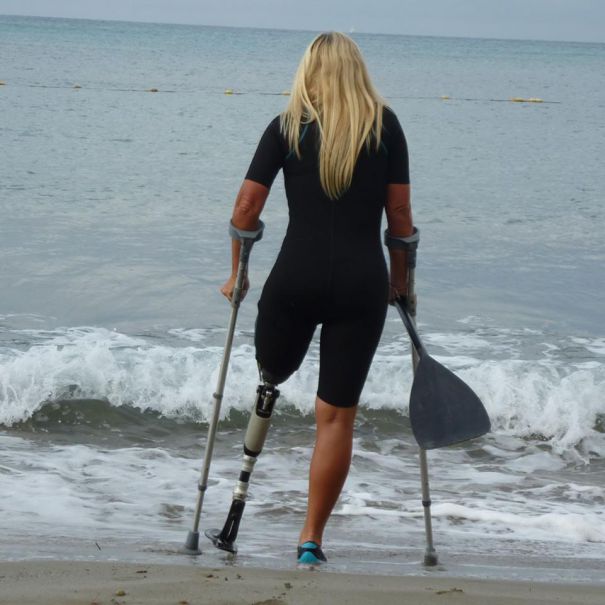
While 200+ paddlers race and cruise past open fields with windmills, cows, and sheep and encounter  eleven historical cities Valerie will be unique in that she is the first to participate in the event after the loss of a leg. Most of us would have trouble simply standing with a prosthetic leg, but Valerie has dedicated her love of SUP to finding the right training that will allow her to reach the skill level she wants and needs for events like this.

Elder SUP asked Valerie, why do you do a race like this, and Valerie explained, ” i love a challenge.  I also believe that one has no limits and can do anything that we set our minds to do.   I’m not doing it to come first, but i also don’t want to be last.   I’ve seen handicaped men taking part in challenges but never women, so i think its time a female did something.” valh1

valh9What is it about SUP that captured Valerie so completely? “I love the sea, love a challenge and its the first sport that I did with a prosthetic leg.   I think finding this 11-City Tour challenge just made it more enjoyable.   I do other sports too – my favourite is wheelchair tennis.”

Many elite water athletes have participated in the Tour including Connor Baxter, Zane Schweitzer, Marc Raaphorst, Donna Raaphorst, Eric Terrien, Bart de Zwart and Byron Kurt , Karen Wrenn, Jenny Kalmbach and Anne-Marie Reichman. After tennis, climbing – and even the challenge of walking, Valerie made the commitment, entered the event and is enjoying a summer of specific training.

Valerie’s husband will be making the trip and following the race, but not on a board. But Valerie could use some more help – not often, but we can help her for this event and beyond. Valerie is hoping to get a better knee so that she can compete, inspire and empower through her events. Valeries shares, “All the people that are sending me funds are helping me too, as i will be able to compete with a better prosthetic knee which will make a big difference to me.”

Click the image to reach Valeries website and lots more stories and information

Click the image to reach Valeries website and lots more stories and information

You can help too, Click to reach her non-profit organization page for information. You can help by simply SHARING  this post on your Facebook. Here’s a bit about Valerie. She’s about to be 51 years old, mother of three sons, wife, girlfriend, diligent and persevering sporty, beautiful and brave … beyond any test. Many decades ago she had to wage her toughest fight against a disease that took her leg but not her will to survive and thrive.

Valerie looks forward to meeting you all and sharing the Holland 11-City Tour through photo updates on her site.

Surf Surprises: MacFarlane Regatta 2015

Mac senior

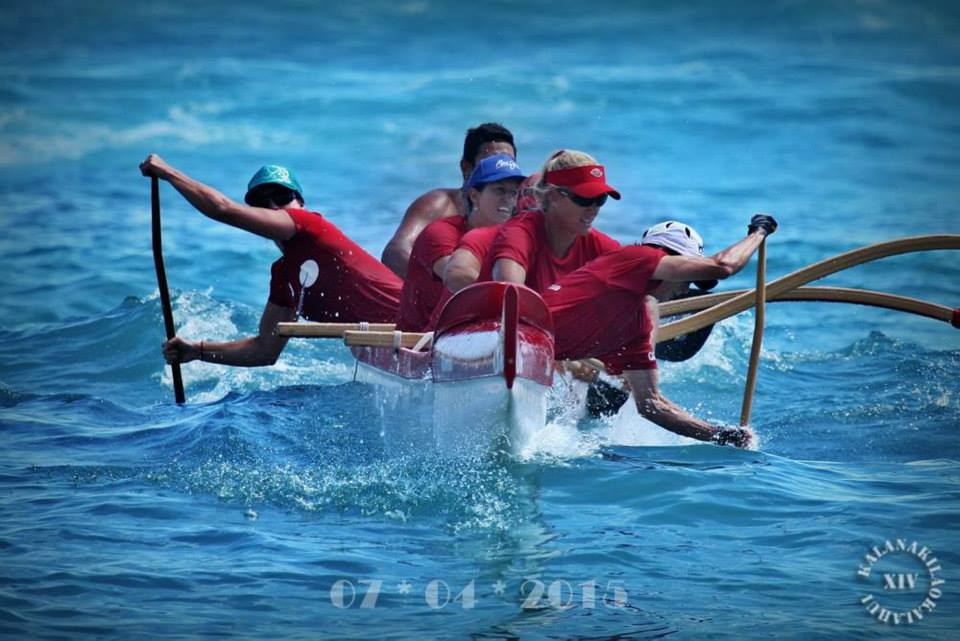
The girls in the canoe are: Tracy Phillips, Jane McKee, Donna Kahakui, Blair Grant, Amy Lawson

In 1943 a Hawaii race began that has created quite a legacy. 72 years later, the MacFarlane Regatta is the longest running canoe race in the world. On race day the Waikiki shoreline becomes base camp for well over a thousand paddlers and tens of thousands of spectators. The first race was for the military and all branches were represented. Even a canoe for wounded warriors competed in the competition. The regatta is held in partnership with the Outrigger Duke Kahanamoku Foundation, which doles out more than $160,000 in grants and scholarships for Hawaii students.

Not long ago I began to follow stories about a very cool and dedicated paddler, Jane McKee. You will definitely want to read the original article we posted about her SUP adventures.

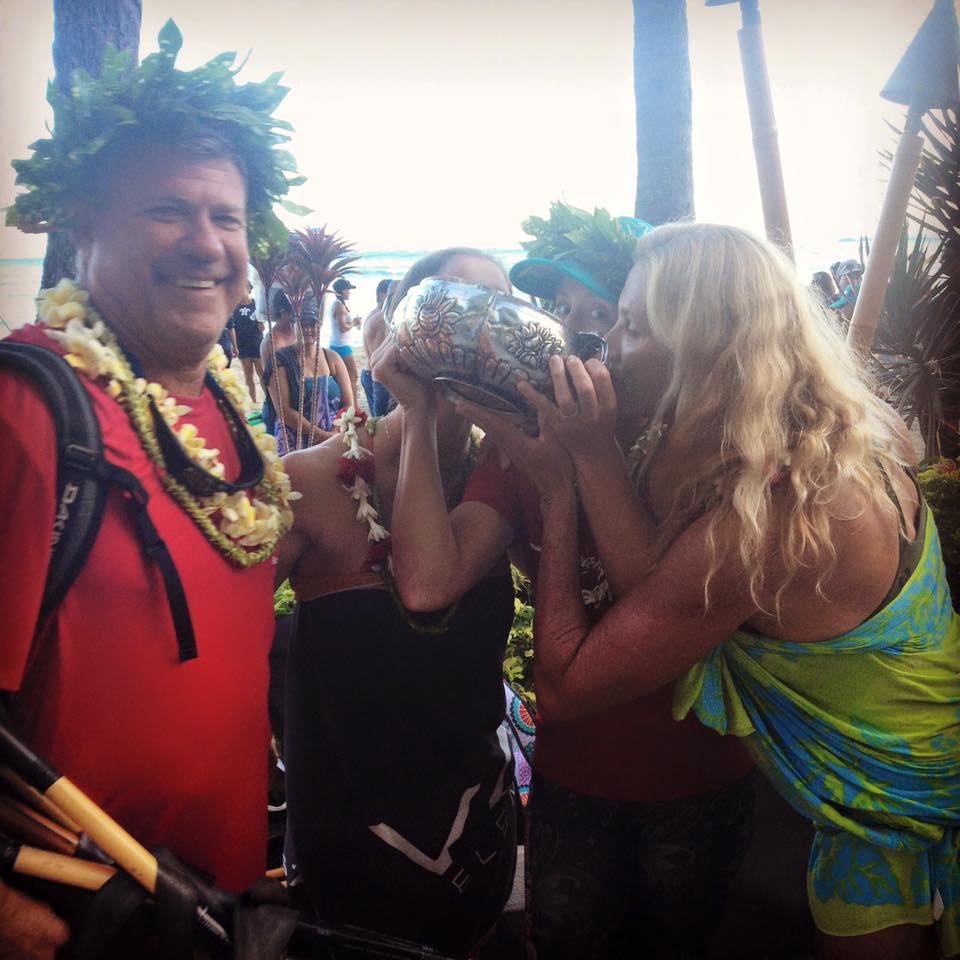
Jane’s club, Outrigger Canoe Club, hosts the 4th of July McFarlane regatta in front of Dukes Waikiki every  year since the 1940s. The open men and women’s divisions are divided into four races, Freshman, Sophomore, Junior and Senior. The ‘Premier” races to win are Sophomore and Senior, and if you win the Senior you get to drink champagne from a silver bowl after the race! The Soph race is one mile and Senior is mile and one half.

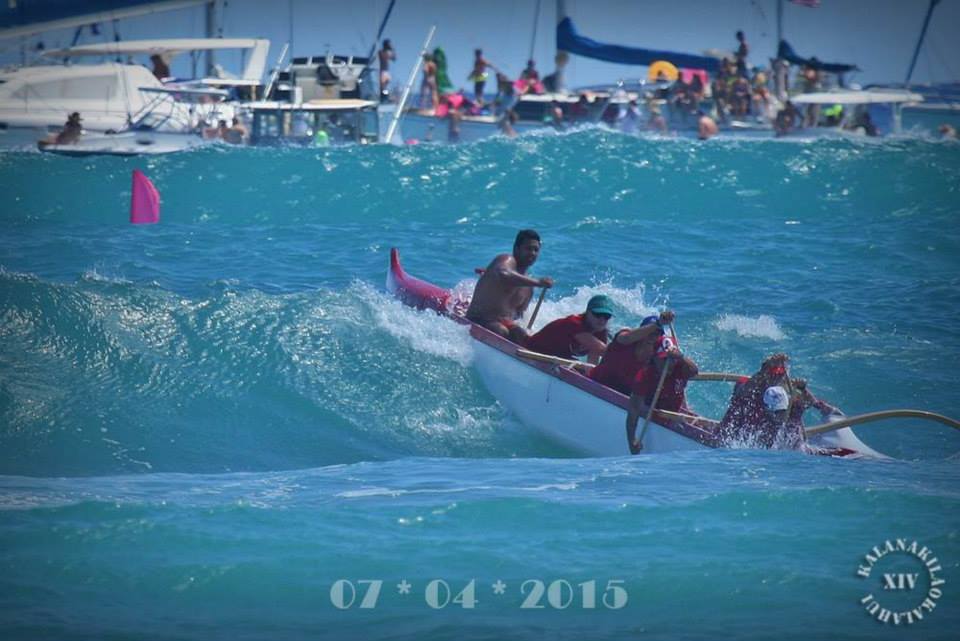
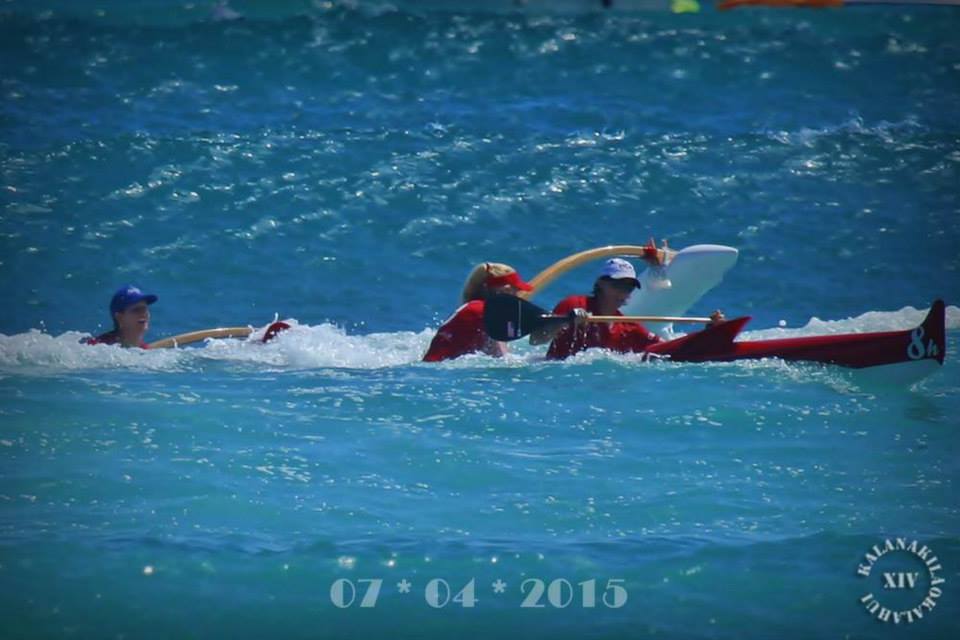
Most outrigger regattas plot a course that runs parallel to the beach.  In the McFarlane Regatta there is a fair amount of surf potential and the course runs out through the surf and then back in. Jane McKee explains, “For the 2015 regatta there was surf, and extreme tide changes. Those conditions made for a very disorganized wave and unpredictable conditions. Many canoes hulied, broke or were swamped.

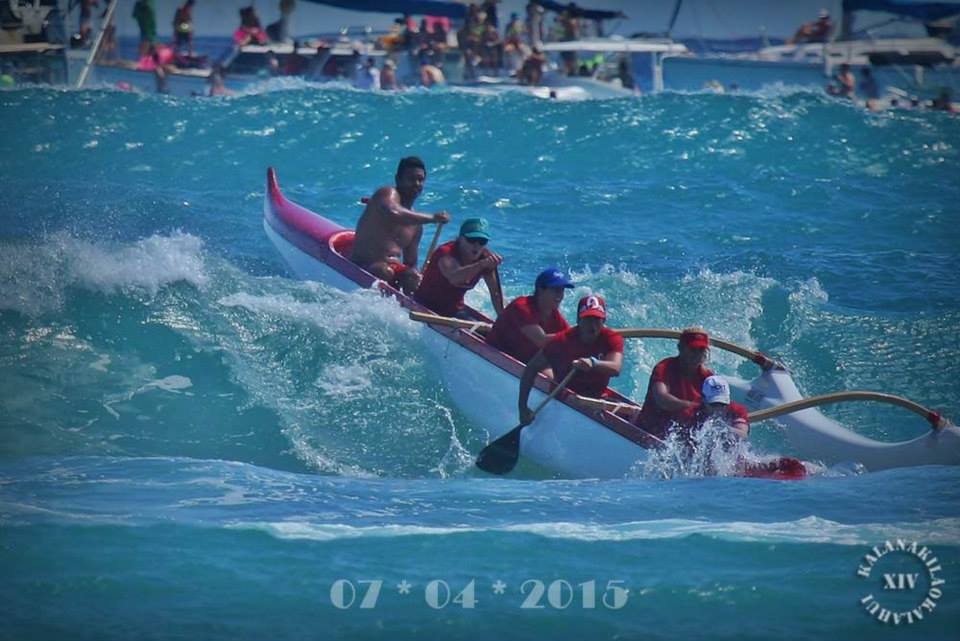
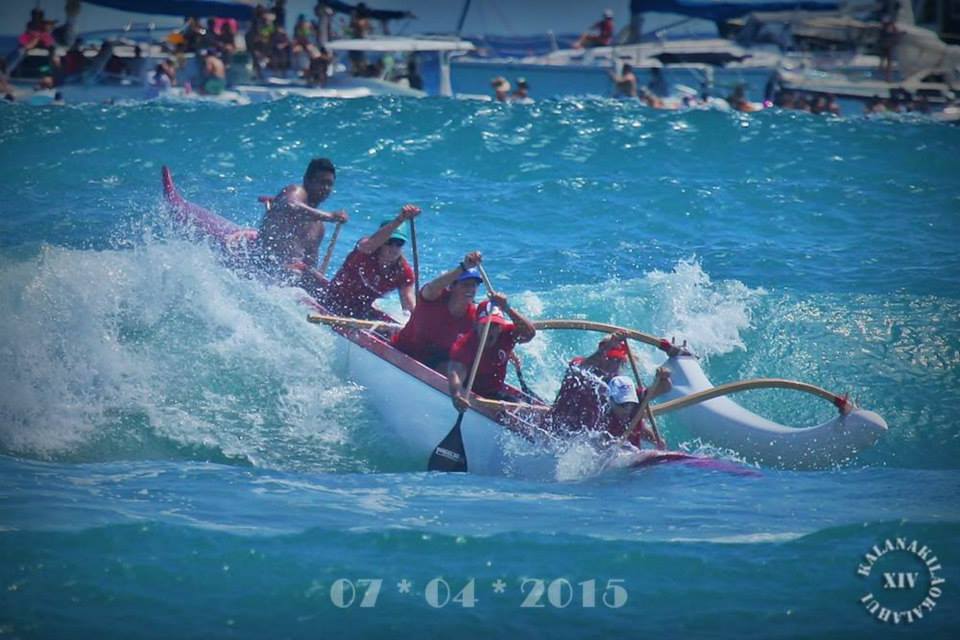
We were racing in the Sophomore race, and coming into the last leg for the finish.  We were winning with a good lead. We went to get on a wave but it was a double wave. As we came down the face of one wave the manu, or nose of the canoe, stuck in the wave in front of us essentially slowing us down long enough for the back wave to wash over the entire canoe and sink us. This all happened within seconds!

mcrace6 mcrace7

.

.

mcrace 9 .
I love the faces of the paddlers as some are laughing and others look totally dismayed. That is the great thing about this race it is a total luck of the draw who will win because mother ocean gets the last laugh! Anything can  happen and there are no guarantees

This very same crew went on to win the Senior race and drink from the silver bowl, so in the end it was a great adventure with lots of laughs and a good story to tell. mcrace11111
The girls in the canoe are: Tracy Phillips, Jane McKee, Donna Kahakui, Blair Grant, Amy Lawson, and Simeon de Paloma is steering.
We have the men steer because they are better able to handle keeping the canoe straight when the wave are big or the canoe starts going out of control!
In our Senior race it was the same girls, but Marc Haine steered us to victory.
It was a great day!!”

Paddle Catch, Reach and Reaction

Summer time and the Colombia Gorge Paddle Challenge on the horizon in 7 weeks.  Putting in miles and planning solid interval training is just one aspect of what I’m working on this summer. It seemed that recently I’d honed my reach and blade entry into the water, but there was always room to refine things even more. All the phases of the stroke have to work together smoothly for the stroke to be efficient and without good reach and catch, the stroke won’t be effective.

daveblade

Dave Chun of KIALOA Paddles lives the path of design, innovation and testing

Lately I have been using the Kialoa PaddlesTiare blade, designed to give the female paddler the best experience possible. The blade is designed for optimal catch at the front of the stroke. The carbon wrapped fiberglass shaft fits a smaller hand perfectly with just the right amount of flex. When talking about paddles, Dave Chun says, “I want the paddles I design to disappear in the hands of the paddler. This is what drives me forward.”

Because of Dave’s dedication to  design and innovation, Kialoa paddles drive all of us forward – so to speak. I have the good fortune to be testing in a compare/contrast way, both the Tiare adjustable paddle and a carbon prototype with the Tiare blade.  The Tiare Adjustable is a lightweight paddle that is ergonomically designed for women.  With it, I can adjust the height for varying conditions. I have quite a quiver of Kialoa paddles, but the Tiare blade provides a measurably different ability for acceleration, lower rate of perceived exertion (RPE) and a new feel at the “catch” phase of my stroke.

The “catch” is the point where the blade is fully buried and locked onto the water. It is natural  that the stroke begin as you begin to put the paddle into the water. You will naturally begin to pull on the paddle and begin to apply pressure to the water with the blade, even before the blade is fully buried. SO, it is important to “bury the blade” relatively quickly. The paddle should not “float” down to the water. Reach and drive the paddle into the water and make the catch  as far in front of you as possible. Since ALL of the stroke is in front, and never behind your body, the more in front of you that the paddle gets fully buried and makes the “catch” the longer stroke you will have!

Head to toe Sweet Waterwear has me covered!

Head to toe Sweet Waterwear has me covered and Kialoa Tiare paddle drive me forward

A 2014 summer as part of the Bend Oregon Outrigger Canoe Club and a LOT of practice has really helped with both my rotation and catch. I have been working to correct the tendancy for pulling the paddle back or attempting to begin to drive the board forward before the catch has been completed. It’s a brief second of time, but important to fully execute the catch before moving through the paddle stroke. The focus should be on entering the water smoothly and quickly with the paddle edge slicing into the water cleanly, creating minimal turbulence. Once the blade is fully submerged and “planted” it’s time to apply the power. If you start pulling too soon, the blade tends to cavitate (air bubbles form along edges of blade) and will slip through the water instead of holding.

Product testing can provide rich insights in your technique - reach, catch and reaction

Product testing can provide rich insights in your technique – reach, catch and reaction

Testing and Comparing Paddles: I have been using both the Tiare Adjustable paddle and a carbon prototype of what might be a racing version using the Tiare blade. Paddling in wind, paddling currents upstream and down all make it difficult to really determine the impact on speed or efficiency that a particular paddle might deliver.  Yesterday as I did my 60 minute training session I picked a section of the river that would be somewhat consistent over the hour. Wearing a heart rate monitor I did half-mile loops up and down stream. The miles flew by, maybe because so much concentration was going into refining that catch and “plant” with each paddle.

Dave Chun’s goal of “having the paddle disappear in the hands of the paddler” was real. The Tiare adjustable was a bit heavier than the carbon prototype so the paddle experience was slightly different between the two designs. In each half mile section I checked speed, heart rate and RPE. The difference was minimal. I believe the design of the Tiare blade suits my technique, build, and stroke so well that it is the driving design piece in the comparison – more than the weight or materials. This was fun!  You can “test” paddles yourself. Before you buy your next paddle take the time to demo more than one design. Use the paddle for more time than you think you need to. really get to know what works best for you.

Testing a paddle provides rich insights – beyond what you learn about the paddle. Comparing and contrasting can tell you a lot about your technique and personal biomechanics. Check out the KIALOA Paddles video series for even more insights. 

Some Physiology: Preload, Mitochondria and Endurance

Gorge-Paddle-Challenge-2013-3Like most of you I don’t have time this week (or many weeks) to put in the miles of training that could definitely build my endurance. I understand the correlation between heart rate (and the underlying volume and force of blood flow) and endurance training. During the next 8 weeks before the Colombia Gorge Paddle Challenge (8 miles down wind and a 5 mile course race) training I hope to enhance additional variables – the preload and mitochondria.

For example, when your muscles contract, they propel the flow of blood traveling through your veins and back to heart, which increases the amount of blood filling your heart (this is called a preload). This preload actually enhances the heart’s stroke volume during exercise, making adequate contraction and strength of your skeletal muscle a major determinant of your endurance performance . I’m gonna need that for both the down wind and the course race.

gorge-downwindThat’s not all. Tiny powerhouses in your cells called mitochondria use oxygen to manufacture high levels of ATP energy via the breakdown of carbohydrates or fat. So if you increase your mitochondrial density, more energy becomes available to your working muscles, which allows you to produce higher amounts of force for longer periods of time. In addition, your actual VO2max (the maximum amount of oxygen you can deliver to your muscles in a given amount of time) is a result of two variables:

1) how much blood your heart can send to your muscles (a combination of the heart rate, stroke volume and heart contractility you already learned about)

2) how much of the oxygen sent to your muscles is actually extracted from the blood and used by the muscles before the blood heads back to your heart.

Whole body (panaerobic) strength-endurance - 1987

Whole body (panaerobic) strength-endurance – 1987

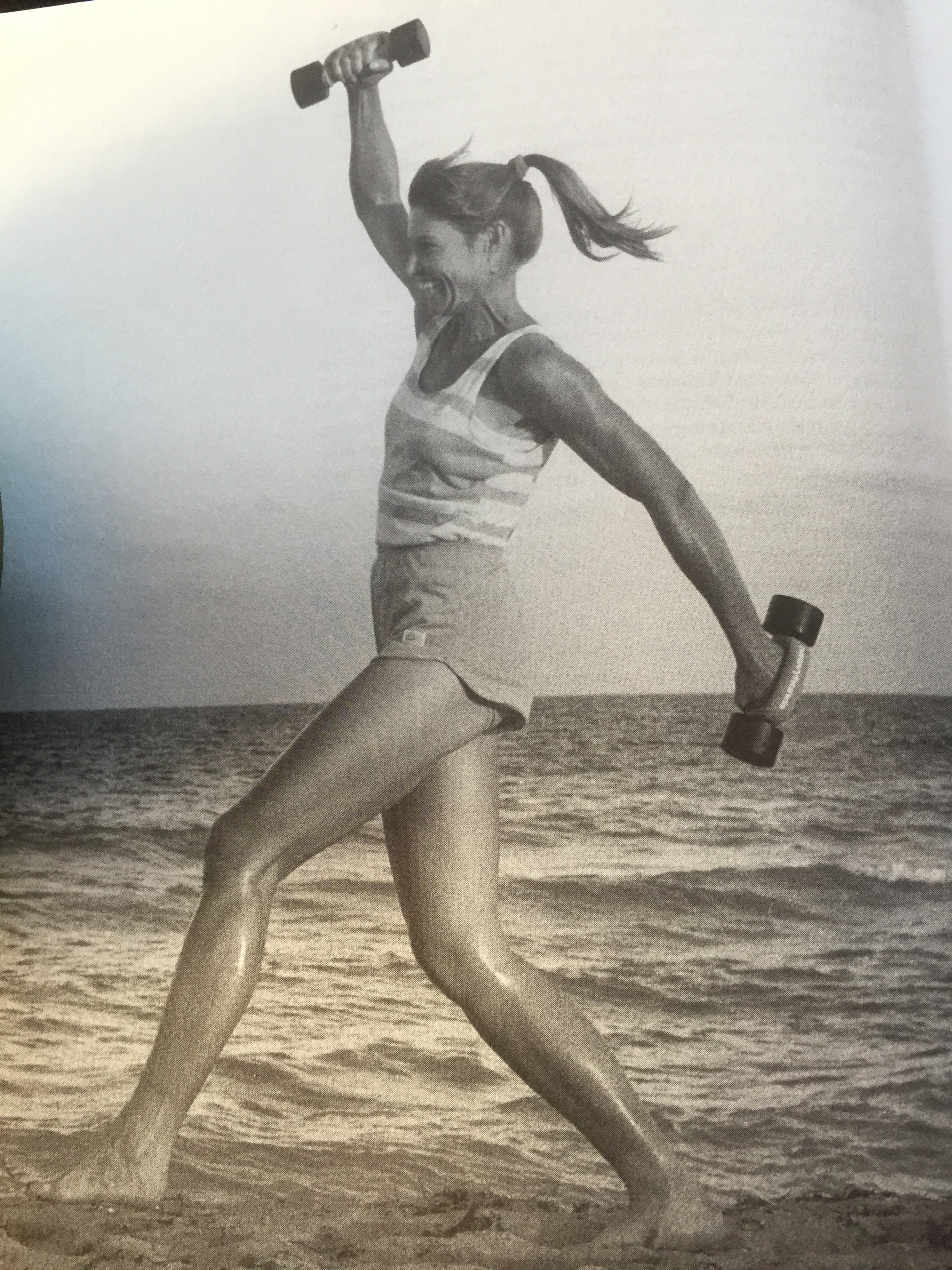
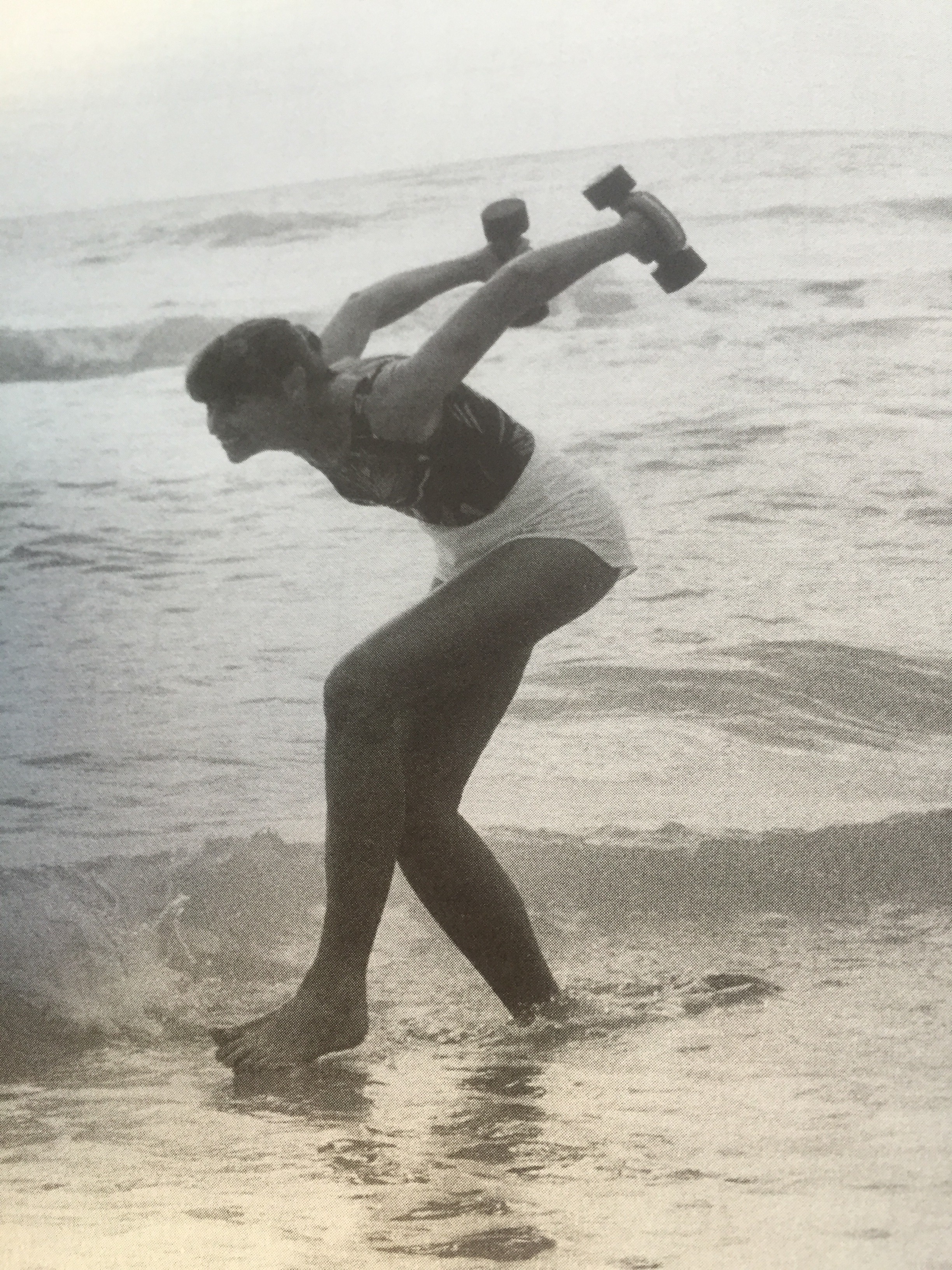
In the 1980’s I was the national education director for a program called Heavyhands. It was a method of using light handweights in a variety of movement patterns that engaged about 80% of trunk, arm and leg muscles in an aerobic level. When such a large percentage of muscles were engaged and moving blood and oxygen in the body the perceived exertion at high intensity levels was less than the same intensity with fewer muscles involved (like running or cycling).

In one study (1) 4 repetitions of 4-minute runs at 90%–95% of heart rate maximum, followed by 3 minutes of active recovery, performed 3 days per week for 8 weeks resulted in a 10% greater improvement in stroke volume compared to long, slow distance training 3 days per week for 8 weeks. This is good for me because that series takes about 40-45 minutes including a cool down. It’s an easy lunch hour session 3 days a week.

Another study (2) showed that that high-intensity intervals performed at 90%–95% of VO2 max increased left-ventricle heart mass by 12% and cardiac contractility by 13% – and these are two other significant determinants of cardiovascular capacity and oxygen delivery during exercise.

Good paddling technique requires the engagement of trunk and legs in addition to arms, so it is an ideal exercise to build the fitness described above – and it is my sport! On non-paddle days I will use TRX system and a variety of Heavyhands workouts (link to come) and 3-4 days of yoga.

Engaged core and controlled movement protects back

Engaged core and controlled movement protects back

My plan for 3 times this week: (Building and mixing it up throughout the next 7 weeks until my event

-Start @ 4 x 30 seconds maximum sprints, with two to four minutes easy paddling after each sprint working on a good reach and catch,

Next I will do @4 X 90 second paddles at 85-90% HR max with 60 seconds of easy paddling after each sprint

References:

  1. Helgerud, J., et al. 2007. Aerobic high-intensity intervals improve VO2max more than moderate training. Medicine and Science in Sports and Exercise, 39 (4), 665-71.
  2. Slørdahl, S.A., et al. 2004. Atrioventricular plane displacement in untrained and trained females. Medicine & Science in Sports & Exercise, 36 (11), 1871-75.

Shoulders, Quads, Reps: SUP Training Fun

My favorite paddle last week came on a windy day – with wind in the face while going upstream.  As I dropped my board into the Deschutes River crowded with traditional summer-time tube-floaters and all types of paddle craft I was thinking about getting a nice interval training session.  I was using my KIALOA Tiare Adjustable paddle extended almost 3 inches longer than when I used it last week for surfing.
The wind was cranking downstream while I paddled upstream

The wind was cranking downstream while I paddled upstream-
In order to monitor a bit about my training paddles I use Nike+ on my iPhone to get feedback on minutes per mile. I wear a Polar heart rate monitor because sometimes I tend to go too hard for too long and start to erase the fun factor.

The upstream/wind-in-face leg: Imagine my surprise when I heard the robo-voice from the Nike+ app say, ” One mile. Average pace 18 minutes per mile.” Okay,” I thought to myself, “When the breeze is in my face and I am going up current in this section of the river I usually average 20 minutes a mile.” Weird, I wasn’t trying so hard, my rate of perceived exertion (RPE) was medium, maybe a 6 out of 10.  Heart rate was in a manageable range. What was making a difference?

I believe I was cranking out the miles in a quick but seemingly easy manner because of two things.

First of all, I did feel powerful. My board seemed to be gaining power from my legs with each paddle – and the only thing I was doing differently was maintaining a more complete rotation of my upper body. Core engaged and tail tucked. I have been training on non-paddle days with the TRX system. A neutral spine is a prerequisite to doing the TRX program. Perhaps a regular routine of that practice at that had provided me with a better “engine.” I have had a habit of bending at the waist, particularly when skiing. Muscle and body memory around creating that more upright, neutral spine might be a valuable transfer to more than just my SUP technique.

Technique makes all the difference. I get a great deal of insight by reading Dave Kalama’s blog. He recently wrote, “Paddling most of the time needs to be a very flowing and rhythmic action, not a tense muscle flexed series of positions, but rather a constant continually moving movie. Don’t get me wrong, there is a time and a place to exert yourself, but if your base stroke comes from a place of rhythm and flow, when you exert yourself you will be much more effective and efficient. The best fix for it is to greatly reduce your power level and learn how to use your technique as your driving force, not your power output. Decrease your power to the level that you don’t feel like you’re doing any work at all, and just concentrate on technique. You’ll be surprised at how fast you go.”

Tiare Paddle In the Quiver: The team at KIALOA Paddles has lately been offering much more. On my “favorites” is the amazing Tiare paddle blade. I particularly like the adjustable shaft with a paddle blade made for especially for women. Even though the Tiare is smaller in square inches, the bottom third (where the catch takes place) is wider. This allows me to really feel and accentuate the catch of my paddle stroke – thus gaining more effective power as the stroke plays out.  In addition, Dave Chun explained that the flex of the blade allows me to “feel” the water more effectively throughout the stroke.
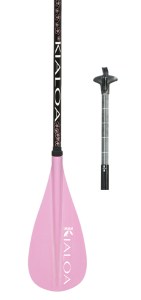
tiare-adj-l

Kialoa Paddles Tiare is a “must have” for a woman’s quiver – demo one as soon as you can

Dave shared this in more detail, “I feel a good paddle needs to flex. The flex gives feedback to the paddler, which makes for a more efficient catch and pull. What the blade is doing in the water is important if a paddler wants to continue to develop their technique. I believe stroke technique is a lifelong journey. Many paddlers only think in terms of fitness when training. But, consider how most athletes are trained for their sport. Components of the sport are broken down in to small segments and drilled over and over again. Practicing an inefficient paddling stroke will get you fit, but it will limit the threshold of one’s overall speed.

The stiffness or flexibility of the paddle must be scaled to the strength of the athlete. Generally speaking, men are larger, and thus stronger. The typical woman, cannot “load” a blade or a shaft designed for a man. It is not simply a matter of building a blade with less surface area. The blade, as well as the shaft, must load under a woman’s energy output. 

Designed and scaled for women every step of the process: The Tiare was designed during the tooling/molding phase as a women’s paddle. The rib is narrower and lower in height than the Insanity. It was scaled to a women. On our part it was a commitment to our women’s program. The Tiare mold or “Shorty” as we nicknamed it, will never be used for an all-around or man’s paddle.

During the design phase we decided that a women’s shaft should be less than 28mm. 28mm is the standard diameter of a men’s Olympic weight lifting bar. 25mm is the standard for women. 25mm is pretty small for a paddle shaft. We settled on the 27mm-27.5mm range. Round shafts flex more than oval shaft, dimensions  and material lay-up being equal. Like designing a pair of gender specific blue jeans, we started with a clean slate when we designed the Tiare – for women.”

Simply, I am STOKED!!!! Off to about 8 weeks of training before I use my Tiare paddle in the Colombia Gorge Paddle Challenge – will we see you there? I will be testing the Tiare that is being developed for women who race by the innovative team at KIALOA Paddles. Look for us in the KIALOA Paddles tent for some “talk story” fun.