Sup Friends Make the Sport

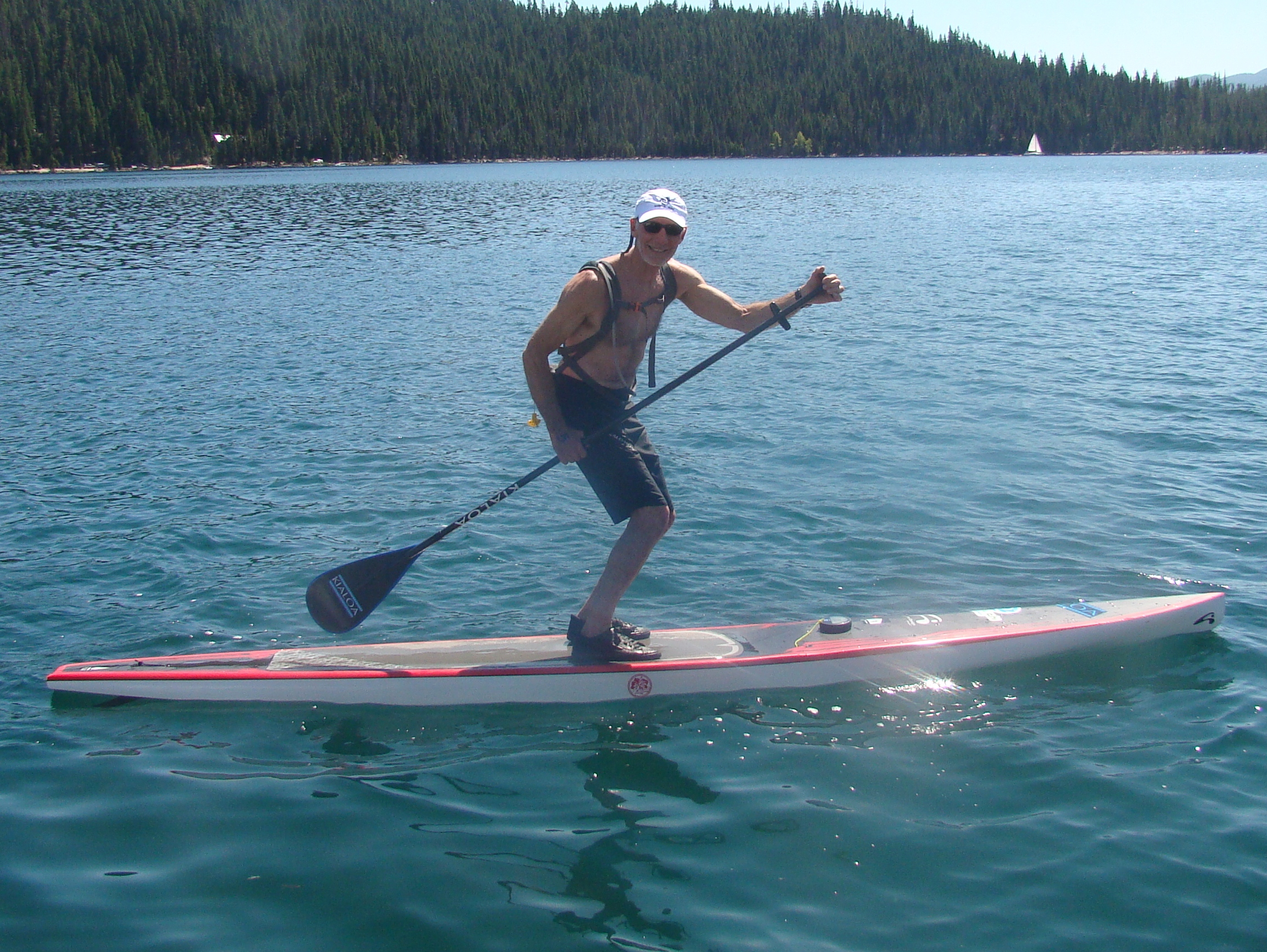
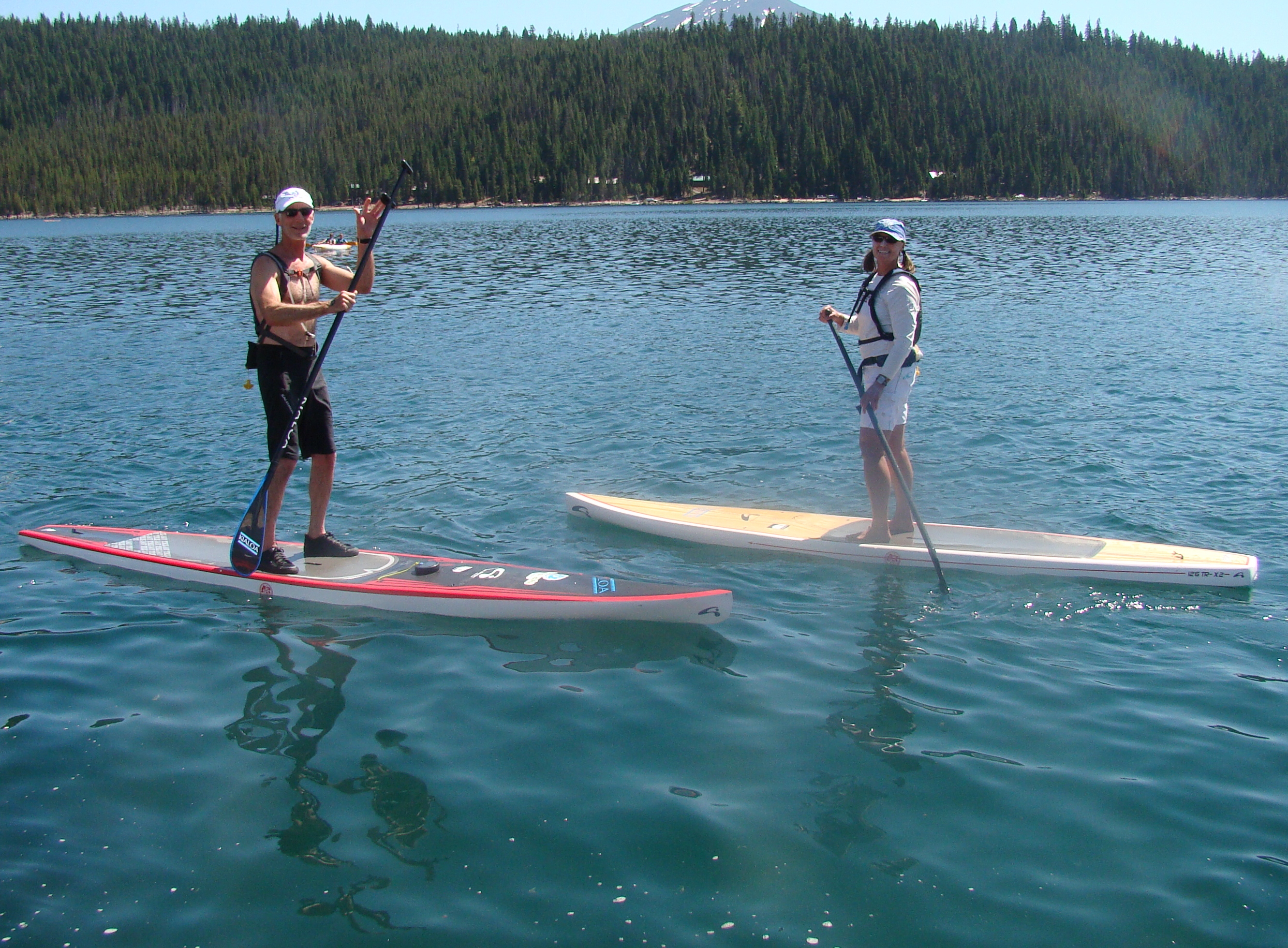
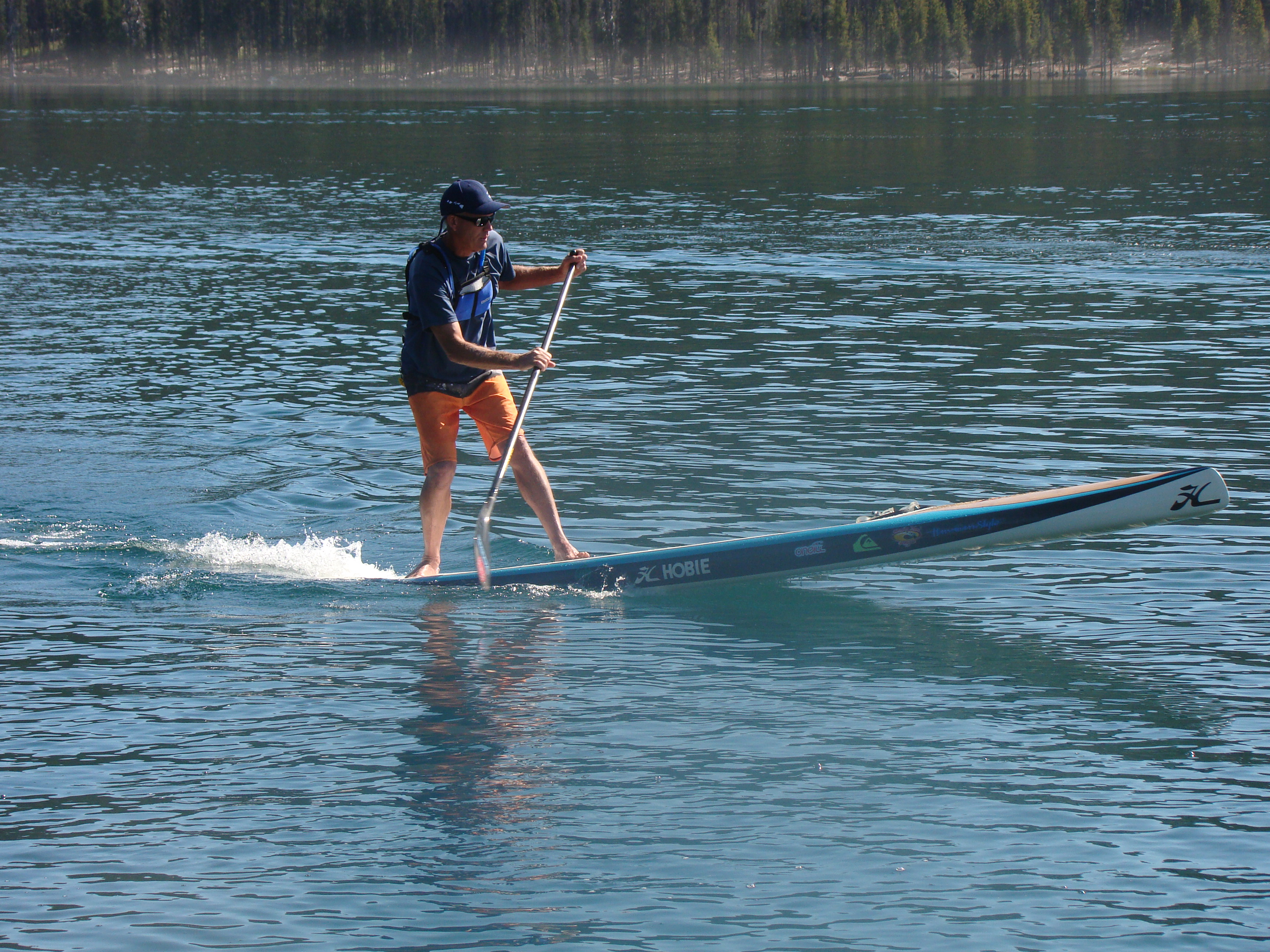
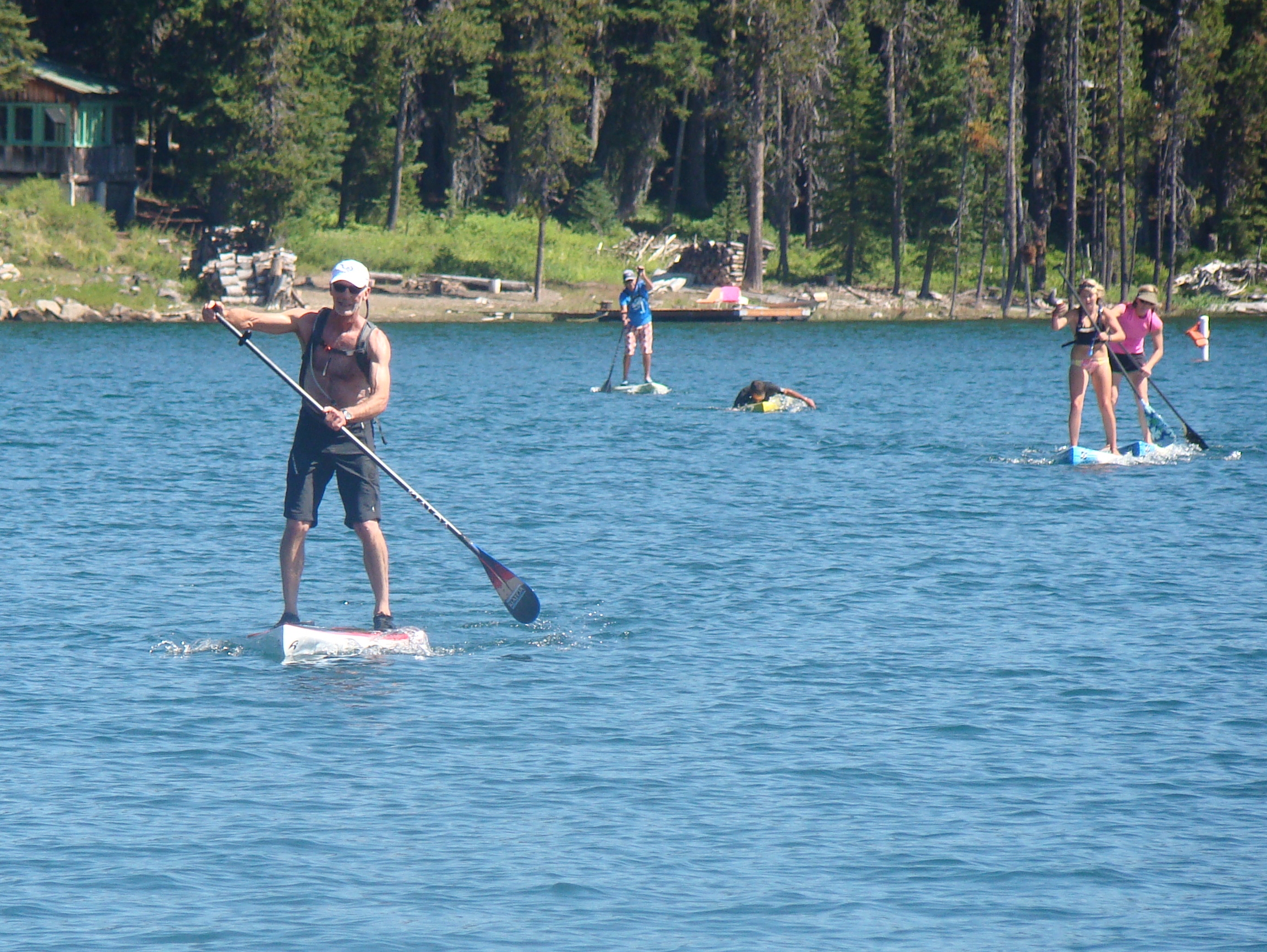
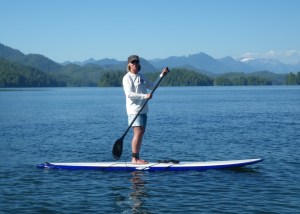
Saturday was a glorious day at Elk Lake in Central Oregon with a few dozen standup paddlers (2 OC-1 and one prone) ready for the Gerry Lopez summer race series. My plan had been to do the open class on my 11’3″ Amundson surfboard but when my friend, Randall Barna called late Friday with the offer to borrow the Amundson 12’6″ race board I eagerly accepted.  Five years ago on my first tentative paddle on the Deschutes River, Randall and his family were out for a Friday afternoon paddle. Seeing how sketchy my skills were, he stayed with me for about an hour, providing technique tips and encouragement that made all the difference. Standup paddling in Central Oregon is what it is because of friends like Randall Barna and Cristina Acosta who authored the first and very comprehensive standupflatwater.com blog). 

It’s fairly easy for us to give a casual word of advice or support when encountering an SUP newbie. It’s quite another thing to keep a high level of generous enthusiasm for graciously sharing the sport over a span of more than 7 years – but that’s Randall, all the way!

In his sixties, he’s still got competition in his blood, but always with a grin. Drafting and pulling, often neck and neck with buddy, Tom Burke, Randall’s dead serious about his training and racing. More than personal outcomes, he’s always been ready to share expertise in organizing races, helping with courses, all the way to designing and maintaining local race buoys.


It’s not difficult for anyone living near any sort of body of water to notice that standup paddling has taken off like crazy. Everyone and his grandmother can – and seems to be – standup paddling. Inherent to the spread of our SUP culture is a spirit of aloha that can help the sport through growing pains and some hiccups as prone surfers meet standup surfers.  As the cool company, KIALOA paddles, demonstrates as a company mantra, we can be “together on the water.”

If you know someone who’s made a difference and shares the spirit of aloha around your SUP experience, please share your story with us in the comments.

First Crossings – Standup Pioneering

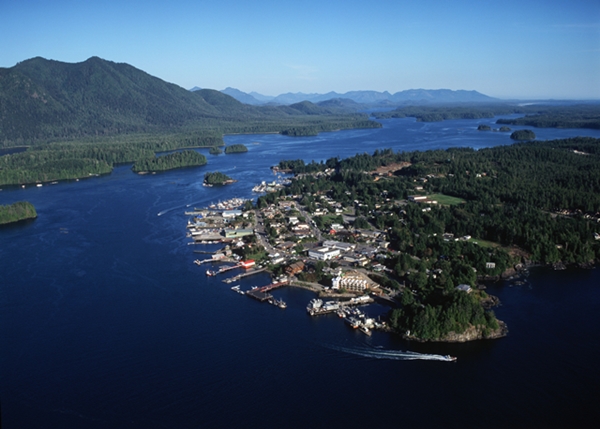
Way back in 2008 during a summer trip to Tofino, Ed and I dropped our standup boards into beautiful Clayquot Sound from the harbor surrounding Tofino on Vancouver Island, BC.  A haven for kayaking, whale-watching and fishing, there is plenty of water activity on and around the sound. That summer as we paddled out toward Meares Island immersed in awe at the majestic old growth forest and cold, clear waters we became aware of curious onlookers from the numerous kayak groups. Finally one guide spoke to us, “What do you call that board you’re on?”

Apparently we were the first standup paddlers they had seen in the sound. Boating and paddling in the waters of Clayquot Sound is one of the most rewarding ways to experience this environment. We thought it pretty cool that we were the first to experience it from the SUP perspective.

As with any first ascent, or first crossing, one needs to be acutely aware of the local environment. In the case of Clayquot Sound the tides and current pack so much power that it could have been a dangerous undertaking to meander around the various islands and inlets. Of course we had flotation devices and leashes, but more importantly we embarked on the first crossing with a full awareness of when slack tide and low tides would occur. We studied, spoke to locals and planned our SUP time carefully.
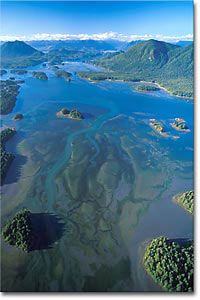
The currents in the sound are fierce. We watched a few unsuspecting kayakers magically move backwards despite a strong forward paddle stroke. If you’re inexperienced with ocean currents, it’s best to get a few pointers from folks at the local kayak shop or harbor. We were intently watching a bald eagle fishing nearby when a large swirl of conflicting currents loomed ahead. The swirl was easily 60 feet across and rose several inches above the water’s surface.  We got on our knees and really had to work to stay upright and move through the obstacle to calmer waters.  Noting the time, we realized that slack tide was ending and the consistent schedule of the lowering tide was about to begin. This was not a time to wander off our course or toward the channel that opened out to sea.
In the photo to the left you can see how close the village of Tofino is to the open ocean (lower left). Another interesting local feature to be aware of is the seaplanes regularly landing in the sound. They land in an area shown (center of picture at left) that is close to our put in and take out point at the harbor.  Coincidentally, there is a relatively shallow bank that stretched about 200 yards across in the same area. Just when your path is taking you across the shallow bank and its squirrely currents, you are in the path of the approaching seaplanes. It’s easy to be safe – as long as you stay aware of the surroundings both natural and man-made.

Taking the time to learn some history and stories of your “first crossing” area can make the experience even more enjoyable. We had taken some hikes through the Pacific Rim Park area and saw totem’s along the trail and in the museumat  the Kwistis Visitor Centre and Wickaninnish Restaurant (a great place for lunch)

The Tla-o-qui-aht First Nation is a Nuu-chah-nulth Nation with territory along the west coast of Vancouver Island in Clayoquot Sound and much of the Pacific Rim National Park. There are communities both at their Opitsat Reserve noth of Tofino in Clayoquot Sound and at Esowista inside Pacific Rim Park. The warm, south-facing beach on Meares Island makes an ideal village site. Opitsaht has been inhabited by the Tla-o-qui-aht and Ahousaht First Nations for thousands of years. Today, Opitsaht is one of two main villages of the Tla-o-qui-aht people. The village is only accessible by water. Children from Opitsaht travel on a school boat to attend elementary school in Tofino or high school in Ucluelet.

It was close to sunset when we rounded the nearby island and Opitsaht came into view. A group of men were unloading the day’s catch on the dock as they curiously  watched us paddle by. We acknowledged each other with a nod and exchanged smiles, then they went back to work. The traditions of their culture are as connected to the sea as the traditions of standup paddling. It was a great first crossing and one we hope you can experience some day.

If you have completed a first crossing of a lake, bay, river section or sound, share your story with us.  A few hours in a new place can be lots more enjoyable when some “local knowledge” is shared.  E-mail us or COMMENT with a link to your blog or website.
 

Showing Up – Make it Matter

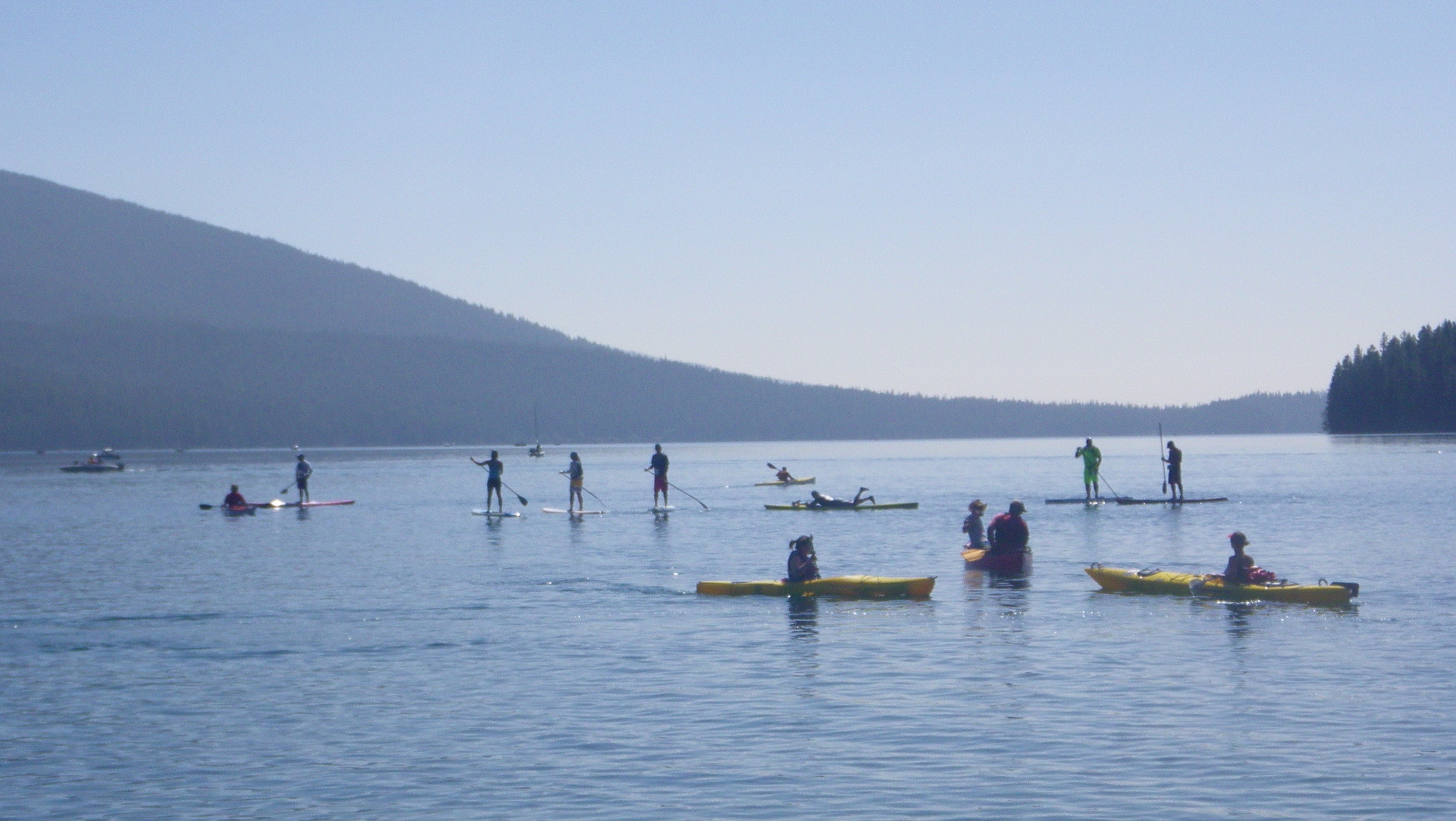
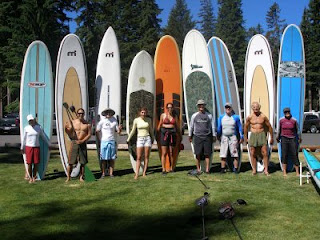
By 2 PM on Saturday, July 28 2012 the winds across Odell Lake (Oregon) were cranking. White caps (big for a lake) were hammering the shore alongside our campsite. And the downwind race was over hours before.  Just after 11 am, the red calico flag waved the casual start of the 32nd year of this annual event in light winds that assured safe passage for all competitors from canoes to SUP race boards to kayaks. The spirit of this race is all about the group. While the standup paddlers were wishing for a start the coincided with the predictable afternoon winds and waves to glide on, John Milandin (the race organizer) enthusiastically ushered us into the water as he has for 32 years. And we all had a blast.

Odell Lake Pioneer Cup 2008

The light winds for the first 30 minutes or so, gave way to a more steady breeze and some fun on the growing white caps as we approached Shelter Cove for the finish.  During the race on my 11’3″ Amundson surfboard I had plenty of time for reflecting on past races since all the other SUPers were far ahead on an array of sleek 12’6″ to 14′ race boards.  I paddled hard and tried to stay with the pack, but just didn’t cut it. So with my sweat and heavy breathing came thoughts of past years and friends we miss. The first time I paddled Odell Lake with Randall, Cristina and Isabella Barna we were joined by my husband, Ed and friends including  Eddy Miller. It was just a casual practice paddle that day, a cold windy August that found us all falling in and laughing often. By the time the 2008 Pioneer Cup came around we were way more prepared. We sorely miss the joyful love of life and adventure Eddy shared in everything he did through a life cut way too short.

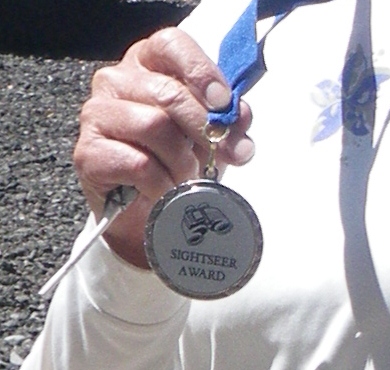
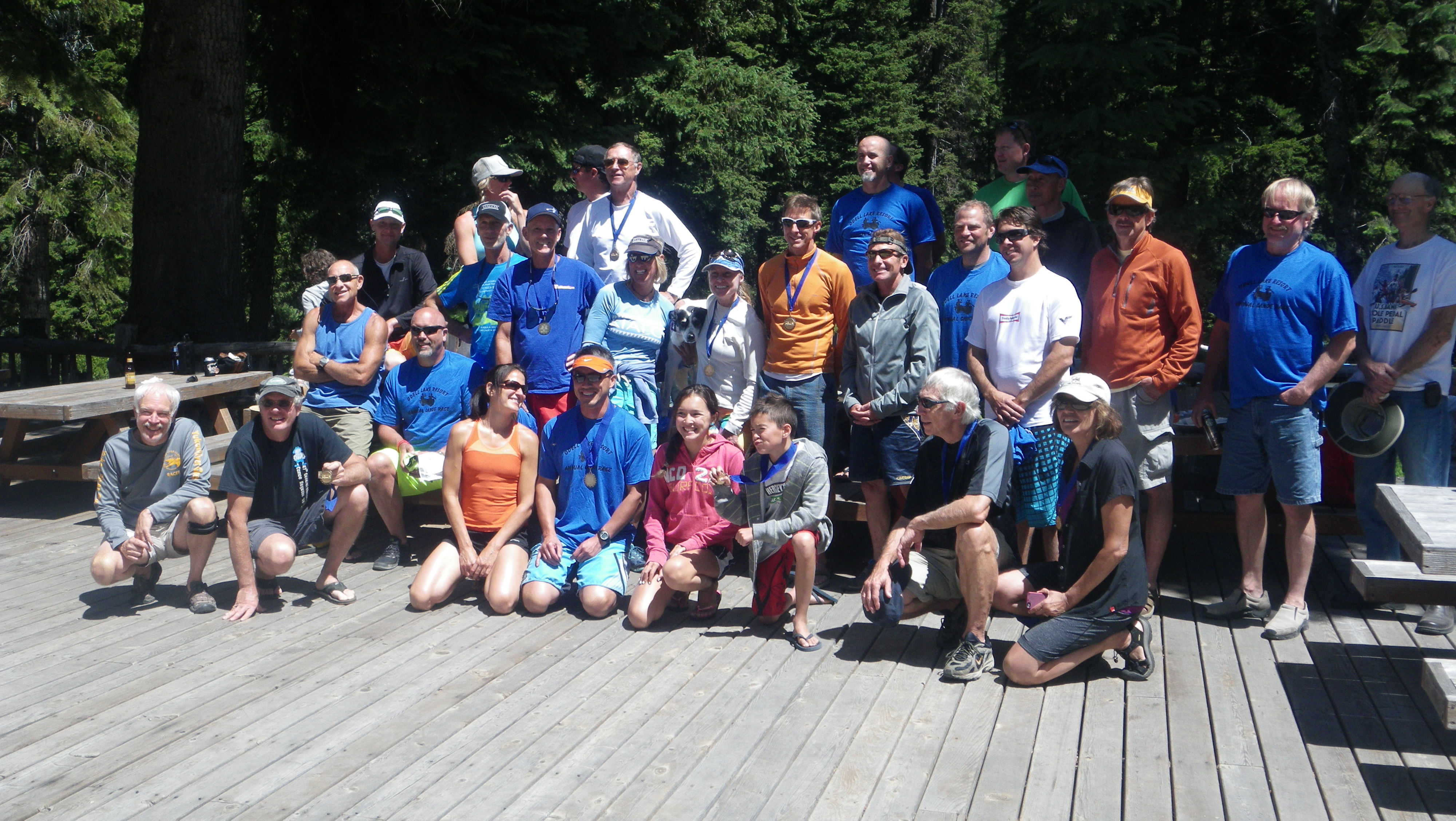
Over the years we all have changed, standup paddling and boards have changed, but the consistent spirit of the Odell Lake Pioneer Cup stays steady. Each year no matter where we place or what the conditions, we all know that a BBQ on the deck of the lodge will be delicious. Some years a front of the pack ribbon was part of the take-away for me. This year it was quite the opposite. After all the awards were given out John turned toward me with a mischievious grin and said, “Each year we hand out a questionably prestigious award, the ‘sightseer award,’ to the person who just sticks with it and finishes the race no matter how long it takes.” 

Me: GULP! A little embarrassing to be dead last, but when confronted with John’s pure joy in handing out the award I couldn’t help but grin. After all, I regularly write about the joy of the process of honing skills and training for more than the race results. Thinking back on how it felt to dig that last paddle stroke at the finish (woooohoooo) was pretty cool.  Like in life, simply showing up is a big part of what makes us who we are. John is one wise person to consistently celebrate that “showing up” and sticking with it to the end.

Photo by Ed Shasek

Can’t wait for next year! In the meantime, there will be plenty of training days working on getting more fit. There will be lots of camping trips and paddles with friends and family. There will be trips to surf, watch beach sunsets and wait expectantly for the “green flash.” More than that there will be plenty of opportunities to embrace life, show up, look around and make a difference. In life I have been very fortunate to be surrounded by so many people whose spirit, love of life and people in that life continue to inspire. For those of you who read this, you know who you are!

SUP Perspective – Honoring and Conserving our Ocean

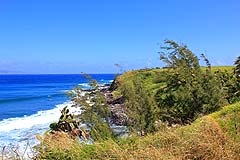
I recently had the good fortune to visit Honolua Bay on Maui. It was quite a different experience from the last time I was there for the Billabong Women’s Surf competition. In early May, the waves were small and the view from Lipoa Point stretched forever. Snorkelers were bobbing over the reefs toward shore, reefs that have enough threats from water temperature changes and need knowledge and protection for their future health.

One surfer had begun a paddle out from the smallish was breaking off the point. He was easily a mile or more offshore. From our vantage point high above the sea we could see a line where two currents and the out-going tide collided. The teeny silhouette of the paddler prone on his board approached the line. Suddenly we saw a consistent movement of splashing. It looked like some huge fish feeding – or a school. Then it got closer and we saw that it was a pod of spinner dolphin. They were leaping, spinning and playing right at the current line.

As the paddler approached he slipped off his board and into the water. the dolphin continued playing, surrounding him while keeping a safe distance. This went on for about 20 minutes, then they began heading further out to sea and around Lipoa Point – with the spinning and jumping show still going full on! The entire experience was breath-taking. The gift of having this area on West Maui is no small thing.

Like most other spectacular places on earth, developers have taken full advantage of deep pockets and real estate for sale. Singer and song writer, Bill Keale tells the story of this in his beautiful way in “Waimanalo Blues” – take a listen.

Lipoa Point is no different. Luckily for the area, there is a strong group of people dedicated to saving Honolua Bay and its unique environment and sea life. I saw a May 30 post on the KIALOA Facebook page that made me very happy. Not the topic (Honolua Bay threatened by development), but the message (youth working with community to make a difference). Please take a look at this video by Joseph Graves.

The “Save Honolua Coalition” has gotten developers’ plans for a golf course and luxury homes retracted for now, but the land is still owned by the developers. The hope is to revitalize the bay and to acquire the land as part of a land trust – using traditional Hawaiian beliefs and practices. The group is very wise in preparing not just to acquire the land but to establish a management plan. Not only is Honlua bay home to many marine species, even a rare breed of sea turtle, but the reefs are fragile cornerstones to all life in the area.

The reefs impact the unique waves for surfers and snorkeling areas – all important to the tourism industry on the island.  Honolua Bay is a state marine life conservation district, but that alone is not enough to save the area.

Please watch the beautifully created video that Joseph created for a school project and please share your ideas or experience in this type of conservation effort – together we can help each other.

SUP Spectrum: Colors

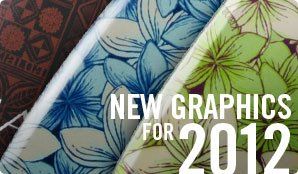
A recent post on the Kialoa Paddles Facebook page caught my imagination (and made me really want a new paddle!) Their 2012 line reflects technology and tradition with a SUPer dose of awesome design.

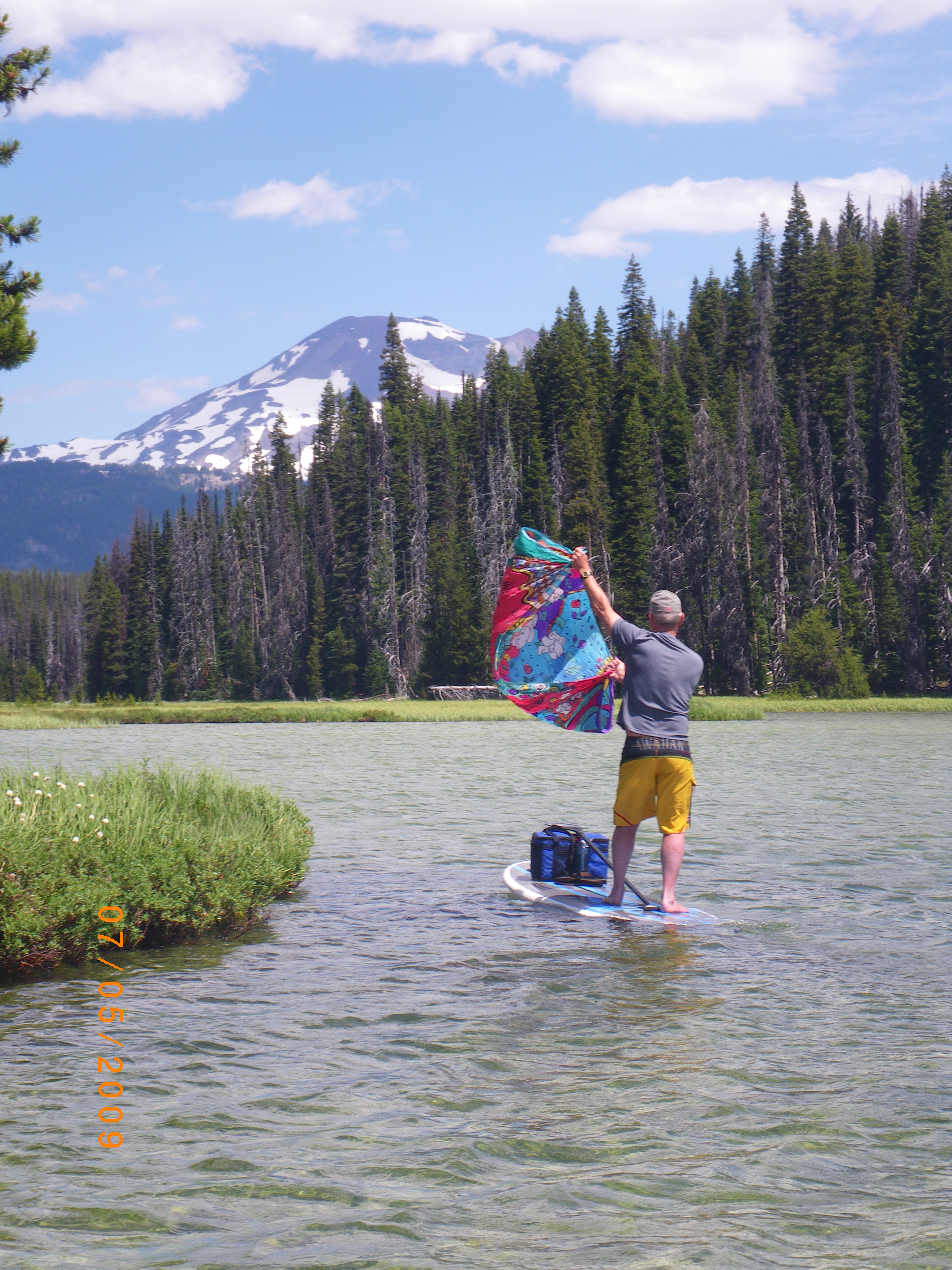
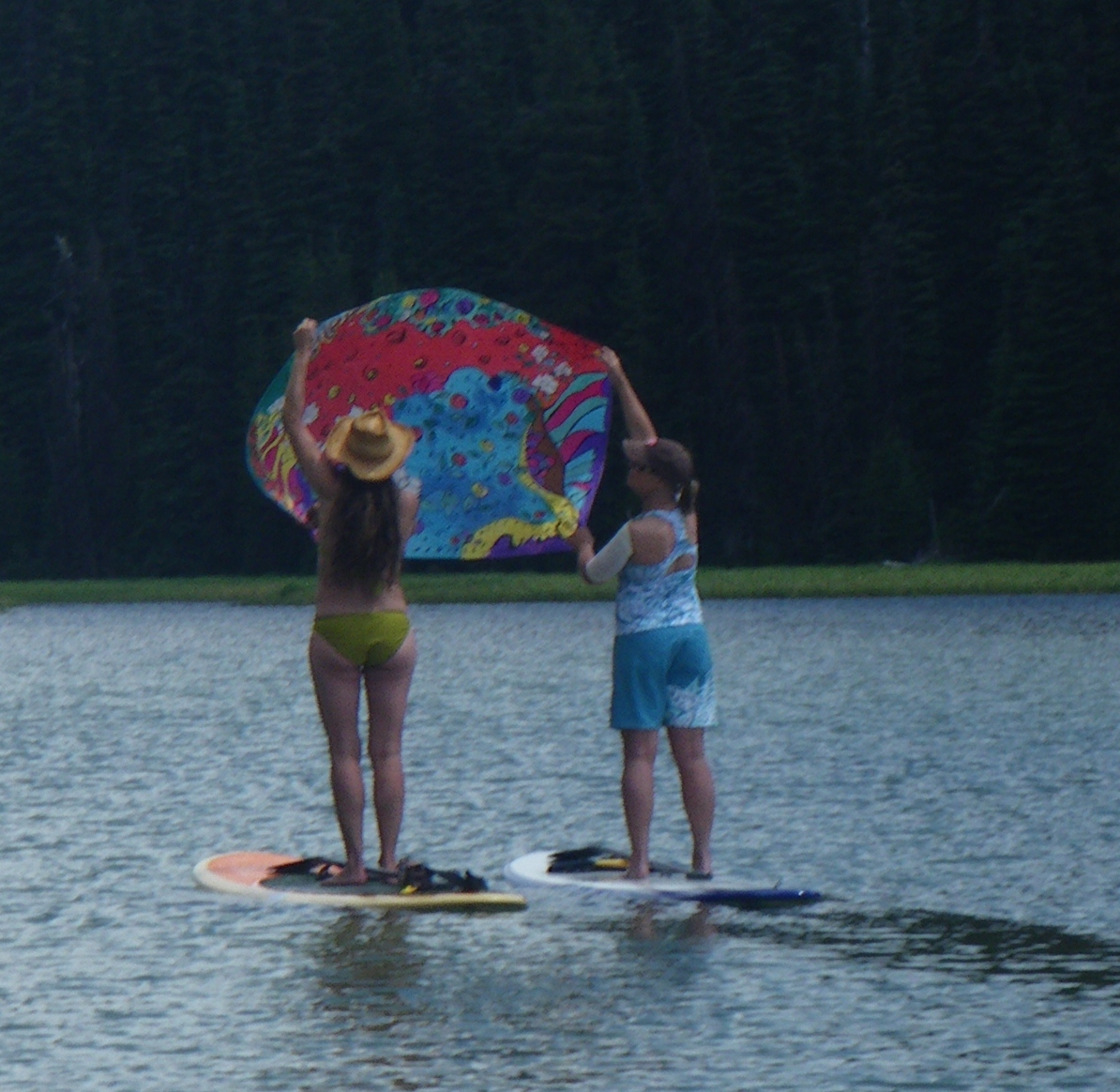
That collage of color reminded me of a shot we took back in the summer of 2009 when the Central Oregon sport of “sarong sailing” was (maybe) invented on Hosmer Lake.  Local artist, Cristina Acosta, had created exuberant designs on silk. It was a sunny day and we had a few of her sarongs with us as we headed out for a paddle/picnic day. As we entered the widest part of the lake, coming into view of Mt. Bachelor we were chatting excitedly about how the snow melt we were paddling on had been sweet spring snow under our skis just a few months before – when suddenly the wind picked up! Ed, the most dedicated sailor among us, wished out loud, “Too bad we don’t have sails to harness this breeze!”

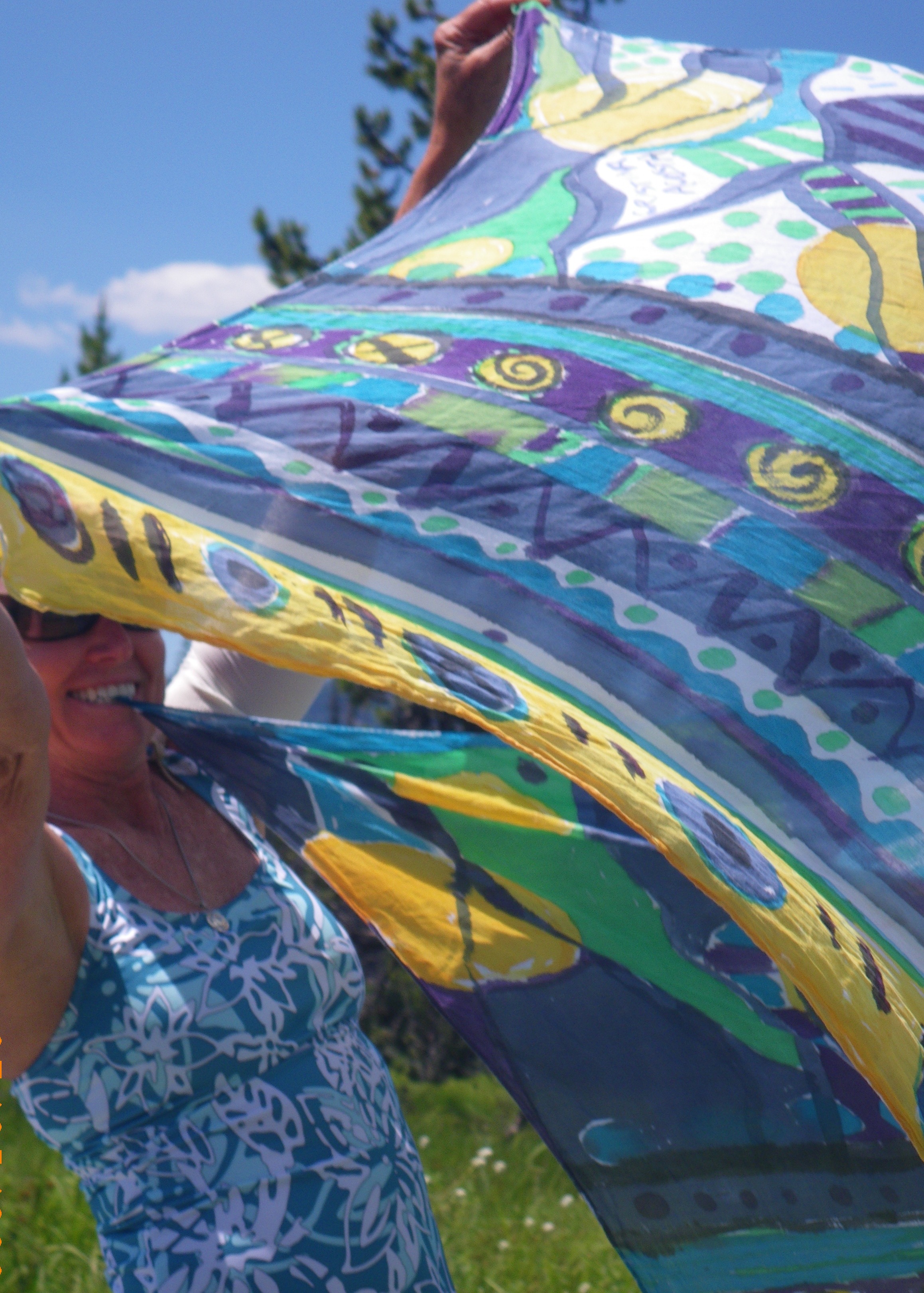
Coming at us from the side it was perfect for a broad reach. Without a moment’s hesitation, Cristina whipped out a few of her sarongs, which immediately caught the breeze and shot us forward in a blaze of color and design.  Greens, blues and yellows filled the sky – along with giggles and woohooos.

During our lunch in the middle of Hosmer Lake we had a chance to hear about the silk-screen process Cristina used to create her variety of silk sarongs. We debated the pros and cons of possibly refining methods for attaching the sarong for more technical “sailing.”  That idea quickly went out the door by the end of the afternoon. The pure casual ability to take a sarong from around our waist and hoist it into the wind for a few minutes of “wind-surfing” won out. Ed crusied toward his favorite ski mountain while Cristina and Judy tried the “catamaran” method. 

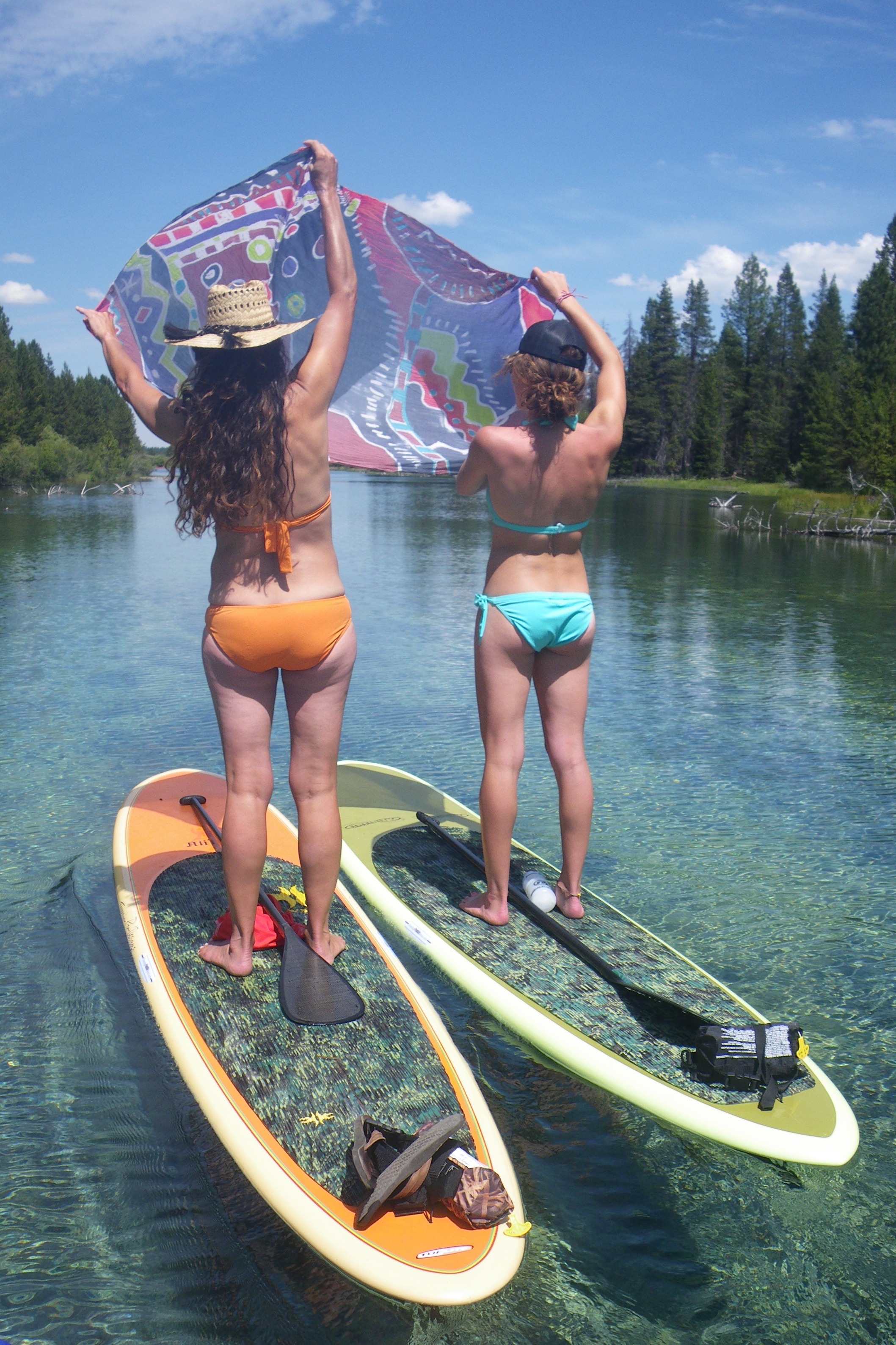
Not long after our day at Hosmer, we took a SUP along the Deschutes River at Sunriver and paddled into Spring River, a cold and clear finger of exploration opportunities.  The day was sunny again but as afternoon approached the wind turned brisk. Of course we had our sarongs.

Isabella and Cristina harnessed some breezes – what a picture! We probably took 30 shots of the reflections of color and paddle boards in and below the crystal clear water.  

Who’s “Saving the World” in 2012?

Just read a disturbing article that included a picture of a sad-faced beach-goer who had collected a huge black float that drifted ahead of the massive amount of tsunami debris. Disasters like that tsunami are horrific events generating devastating human and personal loss. The side effects ripple out in thousands of ways. Like many disasters and challenging events, there is also the opportunity to join together and create community and positive impact from them.

One example is the non-profit group Stopping Oregon’s Litter and Vandalism says it’ll be ready when that debris does wash up. The group already organizes two massive Oregon beach clean-ups every year. “We know that we can organize people to get out and help take care of the problem once it’s there,” said SOLV executive director Melisa McDonald. Peterson anticipates debris from the tsunami will continue to show up on our coast for about three to five years as it keeps circulating around the Pacific Ocean. Alone, the few things we might pick up in a river, lake, stream or ocean as we engage in our sport amount to a drop in a bucket – but there is amazing power in our collective efforts.

Jim Moriarity, CEO of the Surfrider Foundation, shared how Surfrider which is comprised of 250,000 supporters and 84 chapters across the U.S will Change the World in 2012 by protecting the coasts through engaged activism and by scaling effective ideas across a connected learning network. “A network becomes stronger, more valuable and more potent when it consistently learns from itself,” said Moriarity.

As 2012 opens we’d like to showcase and report on other water-efforts that you might be involved in. We can promote your websites, blogs and links so that more people can make a choice and make a difference – collectively.

Let us know if you are on Twitter so @eldersup can follow you.

Go beyond the re-usable bag – BEAT PLASTIC on our BEACHES

Back in the day, we all remember when. There were no plastic water bottles.  Plastic bags, packaging redundancy and seemingly indestructible containers were not the norm. So was it easier to be recycle-savvy?

Maybe it was.  There was another difference, too.  We were all outside more often a few decades ago. Kids got dirty, explored woods, trees, water, rocks, mountains, beetles, birds and everything in between.  We all were more connected to the natural world because we were in it – outside – without the media spin or editing of today’s “nature shows.”

Out of sight of the film crews, textbook exploration of beaches and outside of the resort or “Disney-fied” beach experience, millions of pounds of plastic )bottles, bags, shoes, packaging, and objects float in daily.  We know that. We do what we can do personally – but how do we expand our influence?

Taking on that task, Patagonia, Gerry Lopez and others use their communication skills and influence to share stories that inspire awareness and change.  Gerry has lent his voice to the Plastic Pollution Coalition’s mission to bring awareness to the growing problem of single-use plastics. We hope you’ll share this article to your friends, family and social networks.

THE CLEANEST LINE: WHAT A MESS – REMEMBERING A WORLD BEFORE PLASTIC POLLUTION

Wherever you live there is probably a Surfrider Foundation group nearby.  With October comes Raptober and the “Rise Above Plastic” effort.  If plastic all over our beaches and waterways breaks your heart the way it does mine, join the effort today.

Sun-Sea-Sky-SUP-Surf St Petersburg: Christian Cook on life on water

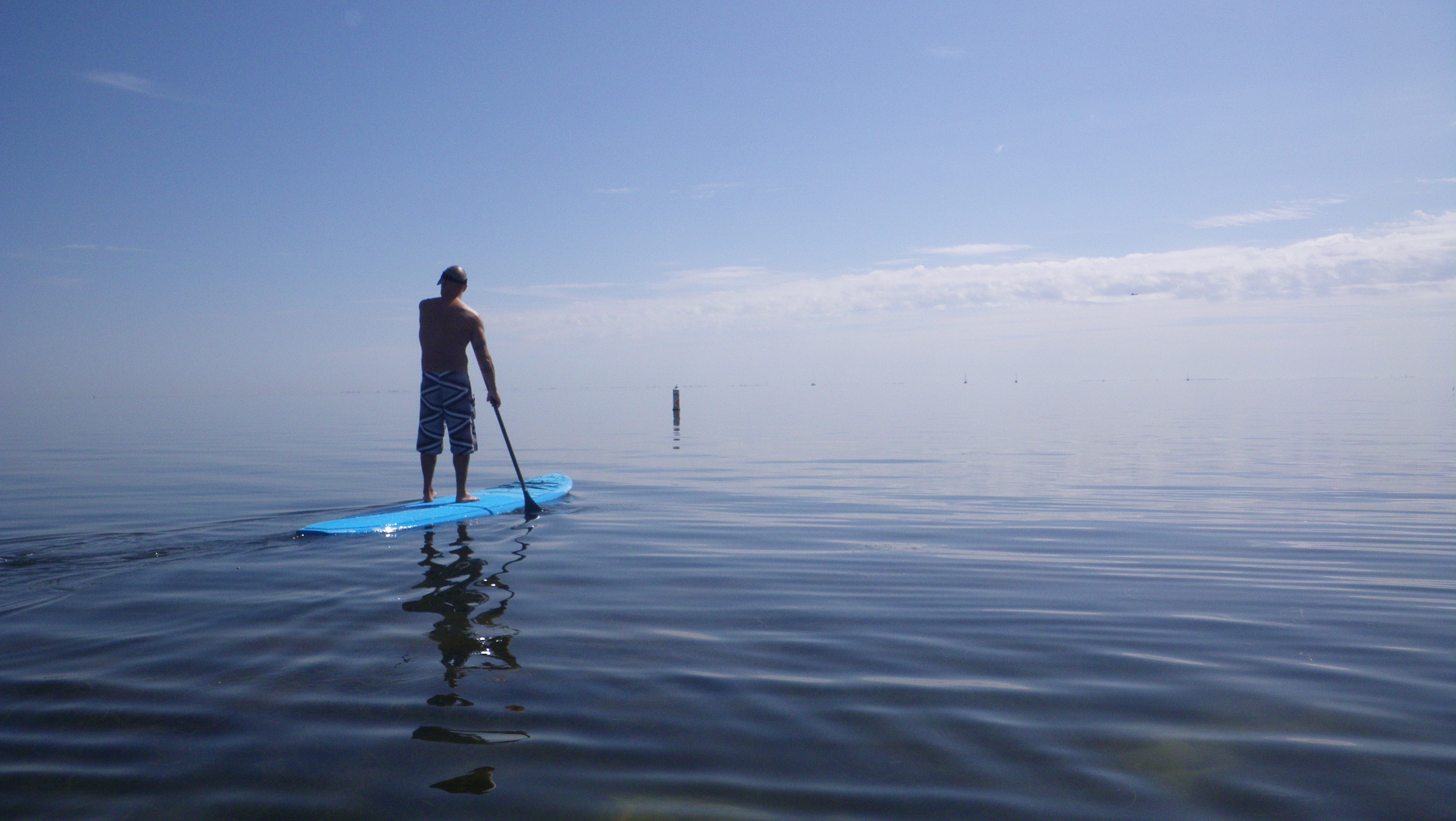
There’s a certain sense of mystical wonder that comes from scanning a view across a fog-laced body of water when the wind is dead calm – ocean, lake or bay.  Walking to low-tide flats of Tampa Bay with a sweet YOLO board the weather was the opposite of fog.  The same sort of mystical was not lost on me or with my paddling partner, Christian Cook.

High noon and glassy calm is not the norm for Tampa Bay. Maybe late season hurricane Rina way south had scooped up all the wind. In any event it was a very cool combination of wind and weather to drop in on.

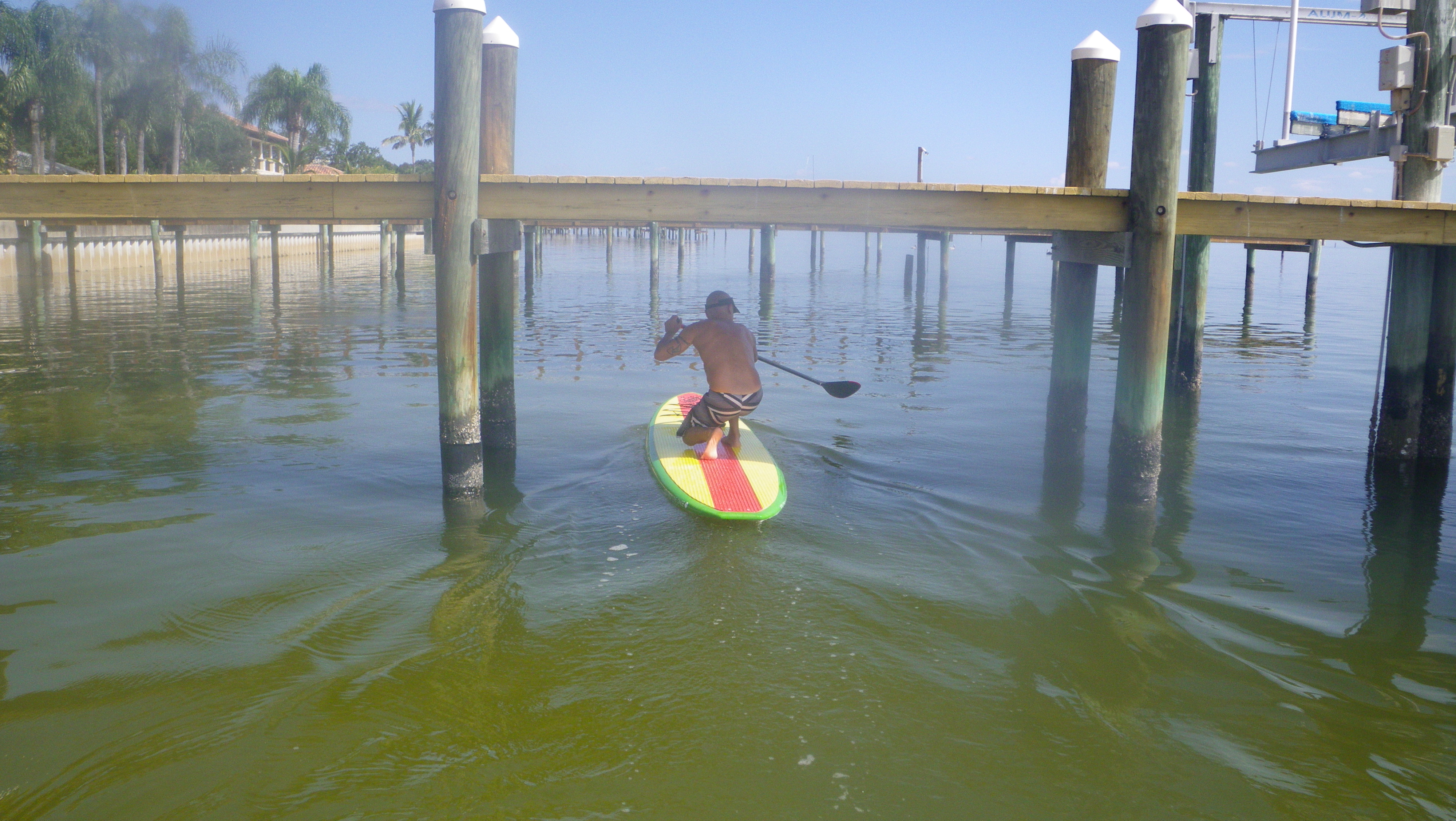
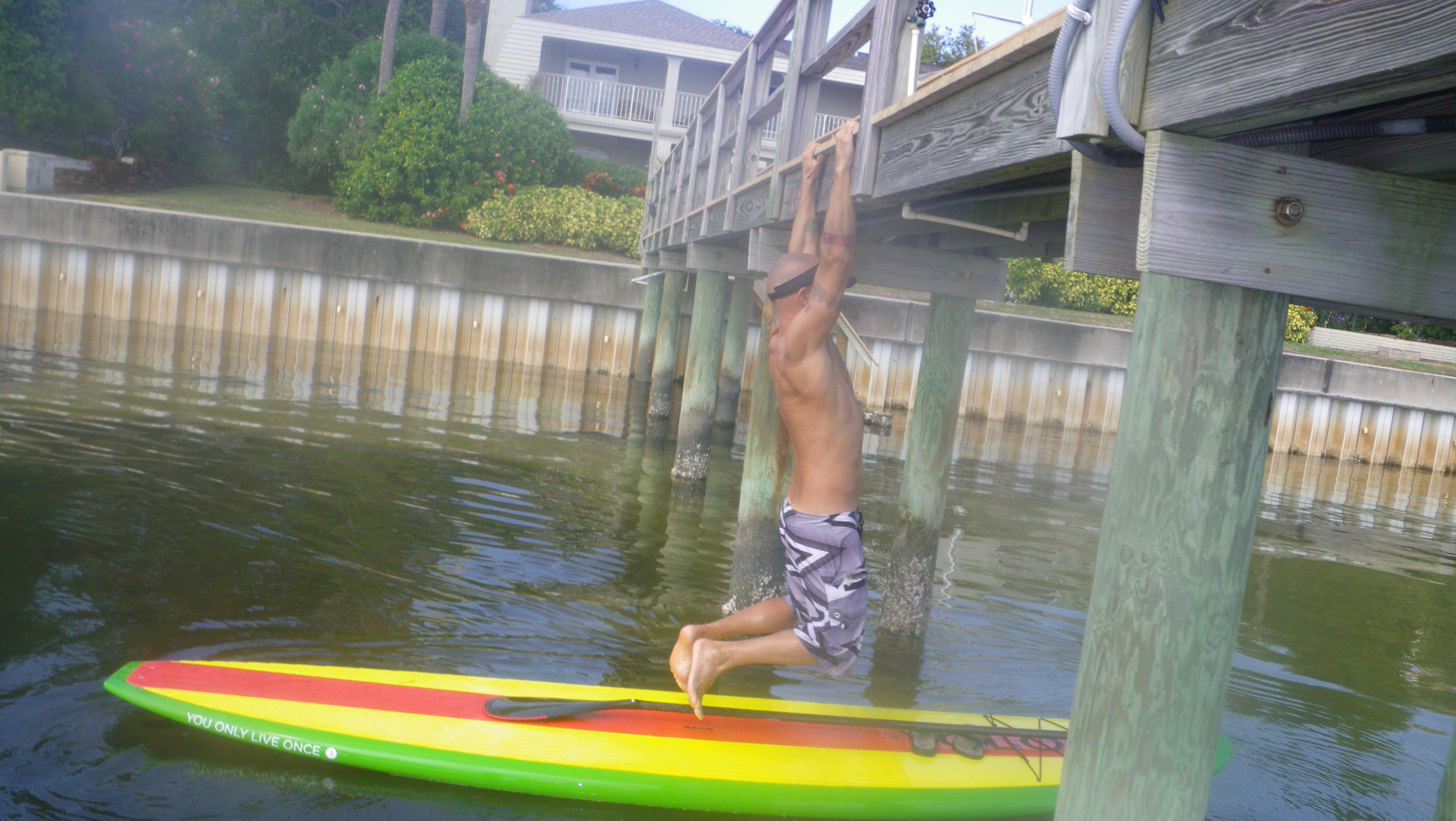
I connected with Christian of NRG Salt Standup Paddle Fitness (web link coming) through Brody Welte with YOLO boards. There are plenty of SUP business owners who are passionate about the sport, but many don’t connect the fitness benefits of SUP with the pure water/waterman spirit. Christian Cook certainly does! The following images are just a small example of naturally adding strength, core and flexibility to our easy paddle today. 

Let’s back up a bit and follow the path that lead Christian to the soon-to-be-launched NRG Salt.  Always fit and full of energy and purpose, Christian started surfing about 6 years ago. It wasn’t long afterward that he added a paddle to his wave riding.  Sneaking into the peripheral of his awareness from that surfing base was THE CHALLENGE – the Molokai 2 Oahu race. Is that a difficult race to finish – heck yeah! It’s a difficult race to START! As Christian explains, that’s exactly why he chose to do it – twice.

Hopping on his SIC F14 (Mark Rappaport design) race board Christina enjoyed the first 28 or so miles of the 2008 Molokai2Oahu race. It was about 7 hours of 20-30 ft rolling swells that sent the board zooming with crazy speed. The 7-9 ft sides and 40 mph gusts just added to the fun.  That was – until along came China Walls – the rocky coastline at the edge of the Portlock neighborhood of Oahu.

That was the location of the last 3+ miles of the race when “pure honesty” determines who finishes. Every paddle stroke counts in those final miles and each one is more difficult than the one before. Christina shared his “way to finish the race” mantra. Be sure to have someone you love and care about at the finish.  Looking ahead at Oahu during those last miles he knew his wife and sons were waiting to photograph the finish.  The picture I saw tells the story: a big smile through exhaustion.

Christian explains, “I want to be an example for my sons that you can have a dream.  You can look at a star that seems impossible to reach – and you can do what it takes to reach it.” It’s a lot like life, one paddle stroke at a time.

If you travel to the west coast of Florida, to the Tampa/St Petersburg area, and want to jump into a paddle fit class, go for a training paddle on the Gulf or simply rent a board to explore on your own, your connection begins with Christian Cook and his new venture, NRG Salt Stand Up Paddle Fitness.

Waldo Lake, OR: Pristine is just the beginning

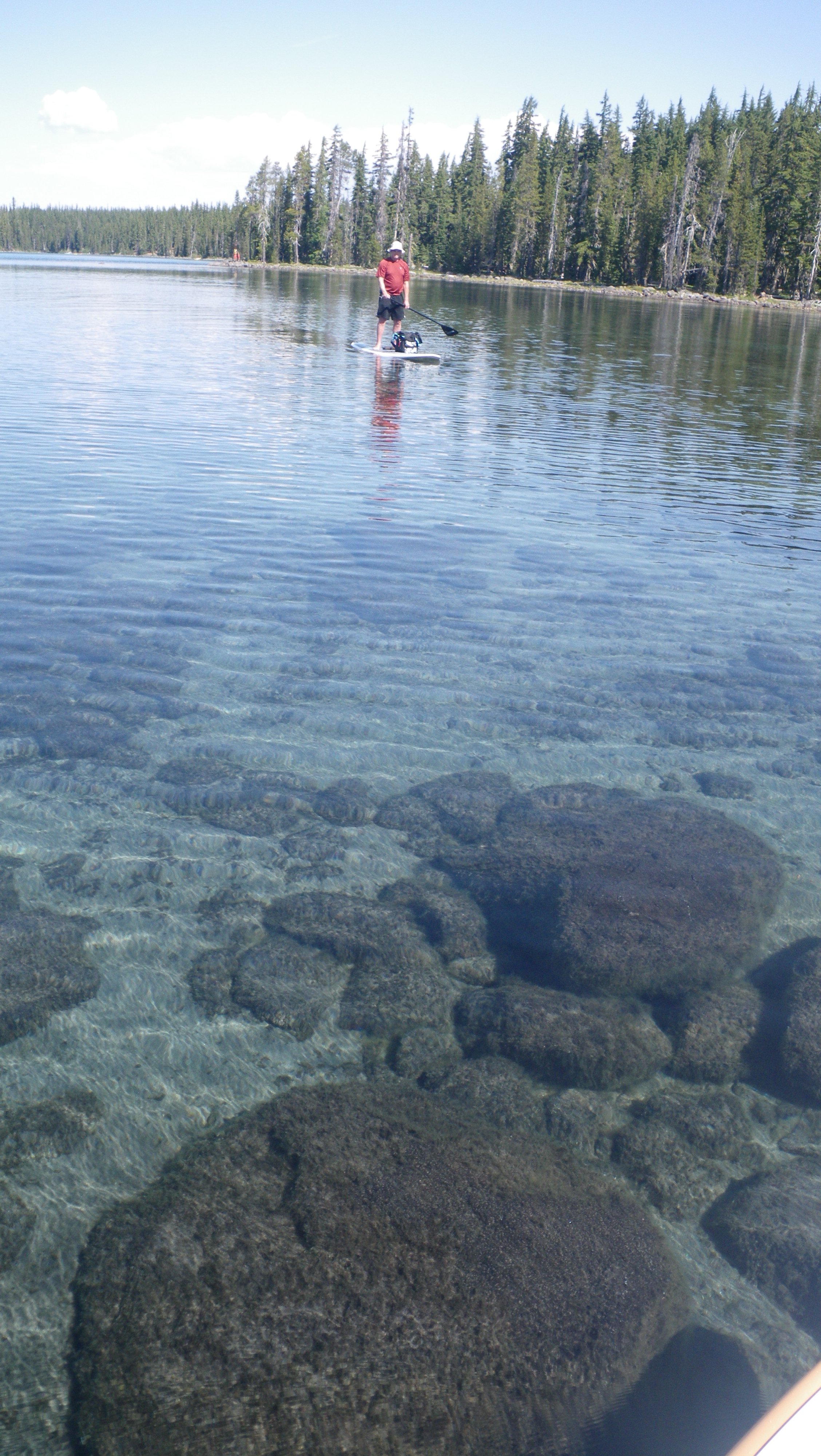
First the facts : The water is clear, nearly equal in purity to distilled, because the inflow comes only from precipitation and snow-melt. Visibility through the water is staggering. Scientists have measured it to depths of 157 feet, a world record. Gas motors were banished in early 2010. Sailboats use small electric motors, but they emit little noise, so the quiet can be intense. Designated wilderness surrounds the lake on three sides. The non-wilderness shore on the east side has 200 developed campsites, tucked discreetly among the trees of the Willamette National Forest, clean, large and beautiful.

Taking the “airplane view” above a map of Oregon it is weird to know how much high desert there is – and how many wonderful lakes. I’ve dropped my SUP board into a good many of them for all-season paddling. By far, the most amazing days have been on Waldo Lake’s water.  The gin-clear shallows give way to varied shades of blues and greens. When we reached the deeper areas – wow! Breath-taking.  the water was the same as the deep blue of the Gulfstream. What a trip down memory lane. Ed and I grew up sailing across the Gulfstream from south Florida to the Bahamas. While we’re solidly addicted to the Oregonian life, there are times when we seriously miss the colors of our 50 years in the tropics.  No more – we know where to get our fix now.

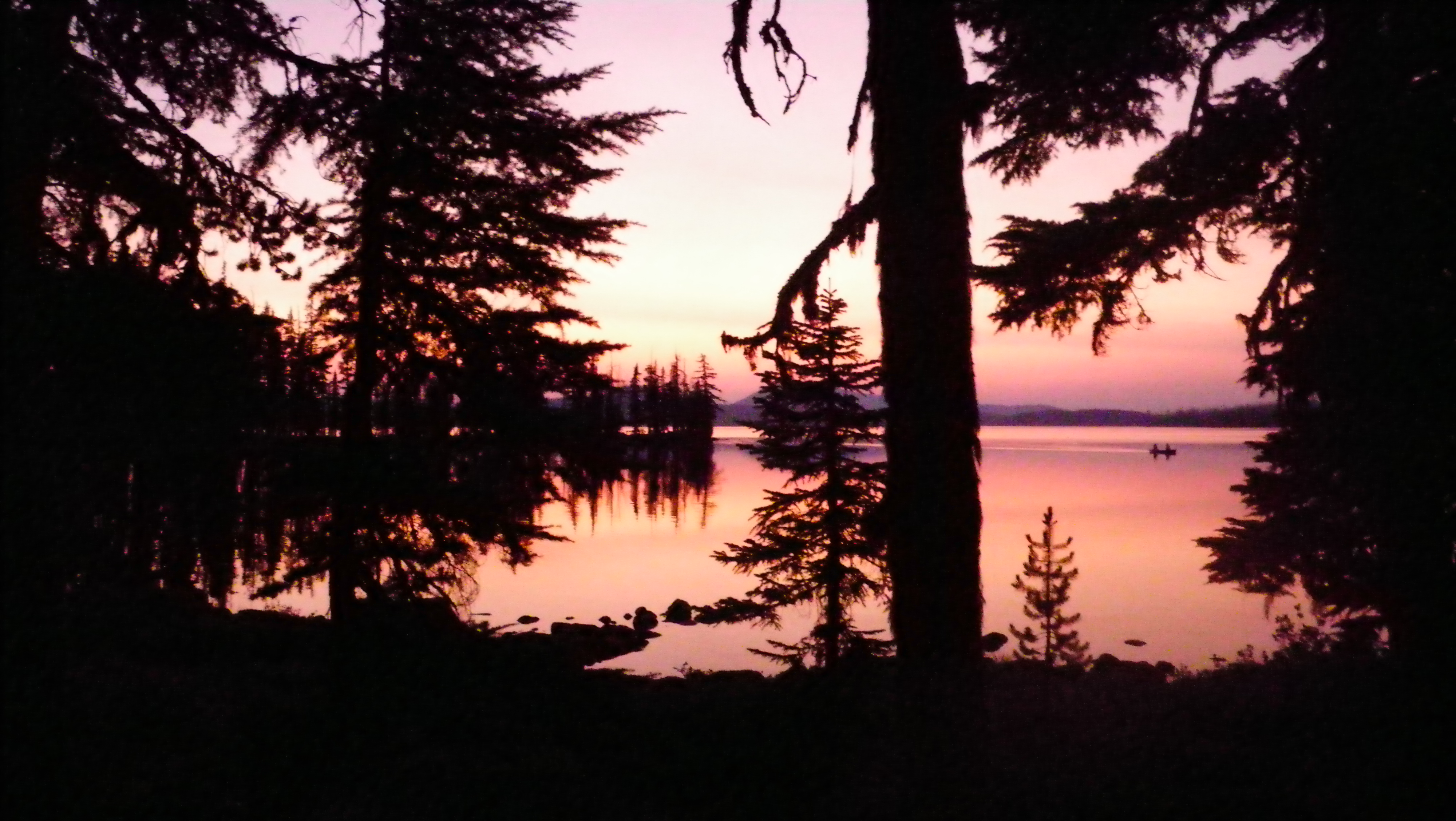
We stayed at the Islet campground on the north end, getting settled in just in time to leap on our boards for the full sunset/full moon experience. Our friend, Pam, and her “coolest dog ever” Sprocket joined us. In one word Pam summed up the evening: Magical! Right on.

Where do you grab the SUP Perspective in your home state? Got a great moonlight shot (I did not) – or sunset?  Send them along  or post them on our Facebook page. YES! We’d love it if you LIKE us  and we love it more when you share pics and video.

SUPers vs Plastic

If you follow standuppaddlemovie (awesome trailer here) on Facebook you have seen the powerful video they shared featuring Jenny Kalmbach.  Reading over her blog it was very cool to discover that she spent many of her early SUP days with Jack Gillen.  I was fortunate to meet Jack at my home here in Oregon, then paddle out to some crystal clear swells off shore from the  Honokohau Harbor for my first surfing – it had been 40 years since my last surfing in South Florida mush waves (WOW!).

It’s easy to get mesmerized by Jenny’s power and grace across some sweet little wave faces, but the message is clear. Because we have the SUP Perspective, we have an eagle-eye view of what’s going on in the world’s waters when it comes to the impact of plastics.

If you have participated in a cleanup or other event geared to reducing the use of plastic water bottles, bags or cleanup, please share a quick post or idea here. Note to Jenny: We’d love to share more, please contact us for a short interview. Note to standuppaddlemovie: How can we get your film to Central Oregon? We are a SUP mecca!