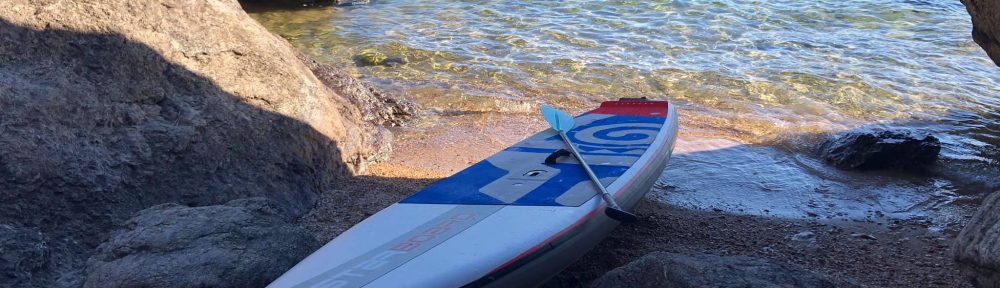
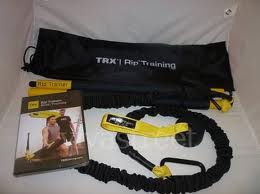
4 Weeks to Maui – TRX RIPping It

We all put great effort into preparing ourselves for our favorite sports and standup paddlers are no exception.  WE research the best paddles and boards until we make our decision to purchase.  Our first attempts at paddling lack the refinement that generates the best results and the most fun, so we seek training.  Fortunately for us, Suzie Cooney, CPT of Suzie Trains Maui suggested that we use the TRX RIP Training and suspension method – and after 4 weeks we can see the difference that practice has made.

Curious to learn if there were more SUP-specific exercises or recommendation, we contacted Pete Holman who developed the RIP Training method. Pete explained, “I would be able to best advise you after a Physical Therapy evaluation which identifies movement dysfunction, muscular weakness, balance and mobility issues. Additionally, if you have not taken the 8 hour Rip Training Course (RTC,) I HIGHLY recommend it because you will learn ways to progress and regress Rip Training exercises according to your needs.”

I have had 5 knee surgeries and am no stranger to PT and the guidance of a physical therapist. With that, I still managed to use the RIP Trainer inappropriately for my current condition. I have no excuse. The included dvd is incredibly thorough, mindful and full of guidance and alternate moves for every fitness level.

Silly me! I tried to do the squat moves on a large balance cushion while being torqued asymmetrically – bad idea. Pete agreed, that was not the way to adjust a personal training routine. It is important for the individual to “own” the movement required in each of the carefully designed exercises in the TRX program before altering them.

After my little foray into truly poor form, I let my knees recover and then began the program again.  This time I performed each of the squat motions in a controlled manner as explained in the excellent training dvd (included).  Now,I may be protecting myself from future injury, particularly during skiing.  I do make sure my knee tracks over my toes. I also stop the bend at the point of pain. Paying attention to detail allows optimal training sessions and results.

First question: Do you have modifications or suggestions for doing the RIP Trainer moves that minimize the squat, yet still engage the core and provide adequate intensity?

Modifying depth of squat is the best way to alleviate flexion/extension loads through the knee joints. Much of the strengthening of squat based exercises (such as the Rip Pitchfork, Rip Squat Row, Rip Squat Press, etc.,) come from co-contraction of the knee flexors and extensors (hamstrings/quads.) Thus, range of motion isn’t critical; what is critical is knee alignment and precise, fluid movement patterns. For ACL injury prevention or recovery, the hamstring muscles are of HUGE importance so any exercises which face the anchor are excellent because they activate the posterior chain (hamstrings, gluteus, spinal erectors, etc.) more preferentially. ANY Rip Training exercise, if performed properly, engages the core. Focus on maintaining perfect posture, balance and stability. Even just holding isometric positions while facing away from, facing or sidefacing the anchor will be excellent for core strength and stability.  
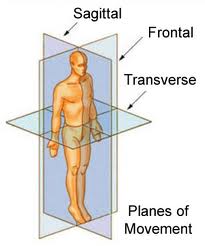
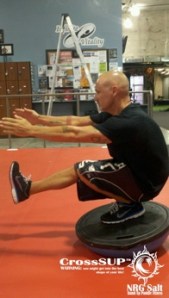
I explained to Pete that I have started doing a few of the RIP Trainer exercises on the Gigante cushion with an Indo Rocker board. Sometimes the front foot is on the cushion/board while the back foot is on the floor. Sometimes I have both feet on the Indo board (it would be rocking left/right not forward back) in the wide stance.  I notice that when I do the exercises this way I feel more core, have to concentrate more on neutral spine and do the movement more slowly. I do the exercise on the Indo board in addition to doing them on the floor. Since my training is meant for SUP it makes sense for the added balance challenge. I asked if Pete had comments or insights on this?

Pete replied, “Training on labile surfaces (BOSU, Rocker boards, Indo’s, etc.,) is great for proprioception and improving balance. Keep in mind, the asymmetrical loading of the Rip Trainer provides a balance challenge in itself, so I would really “own” the movements prior to adding increased balanced challenges.” From my experience, I absolutely agree with that advice. When a standup paddler really takes the time, focus and effort to refine the stroke technique, when doing TRX training, refining focus and technique also delivers the best results and experience.

Upper body endurance in which the core and lats are moving through a motion with some resistance is crucial to off-season,  off the water training.  It is starting to be too cold to paddle regularly here in OR – as in most of the country. I asked Pete, “Is there a series of moves that one might do over a period of 10-15 minutes as opposed to 30 seconds, for that strength endurance? I would love to work in that direction with the training.”

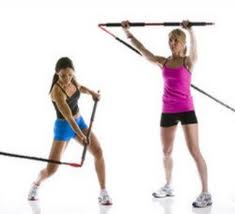
Pete suggests, “The Rip Paddle Board Row is a great exercise which can be performed at slower speeds with less resistance to simulate SUP (see attached images). You can alternate from right to left sides (changing power and base hands,) every minute and you can also change your stance from parallel to staggered to work different muscles over the 15 minute time period. This is a simple endurance workout which can challenge users at any level and really “maps” well to the movements of SUP.
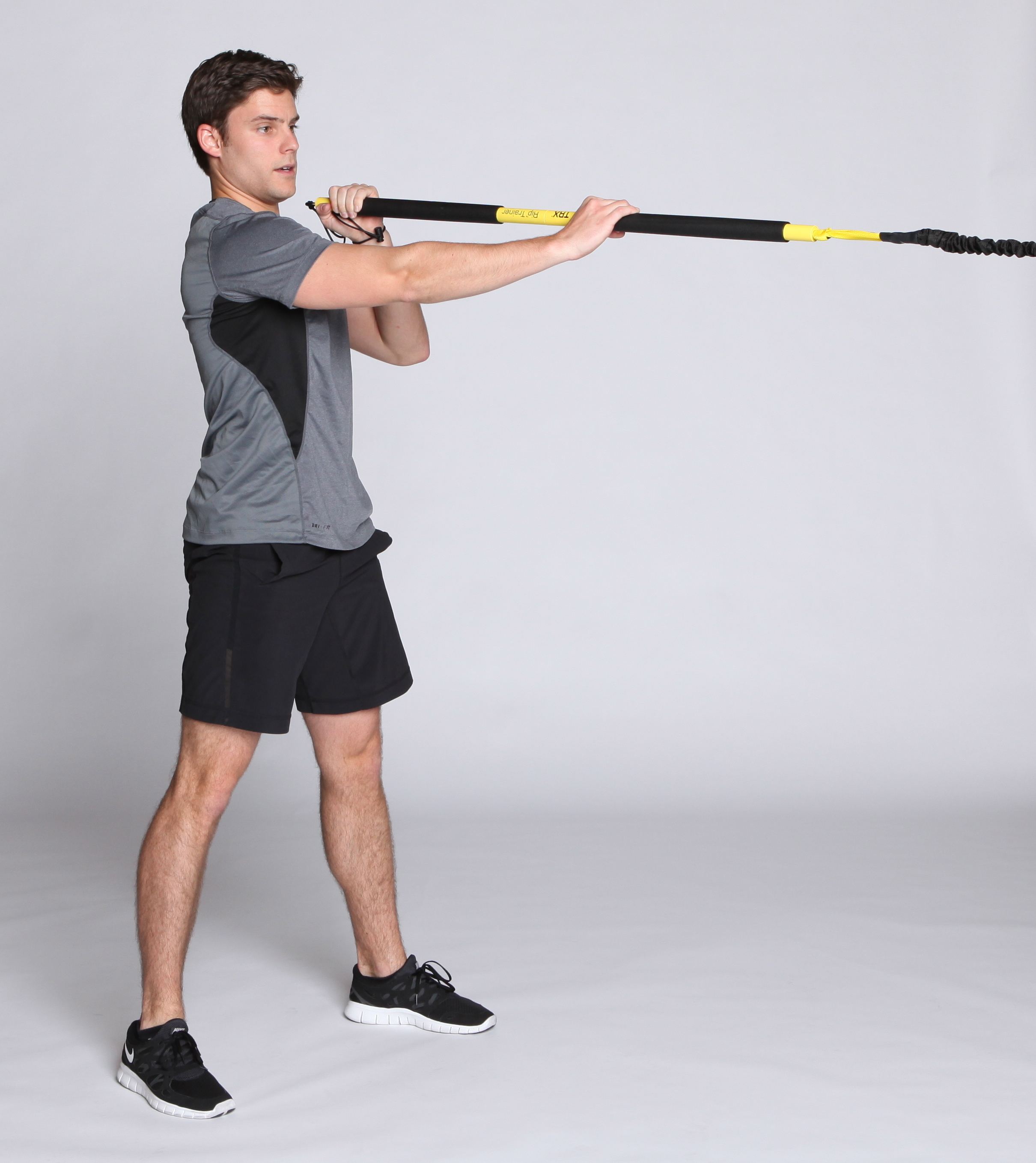
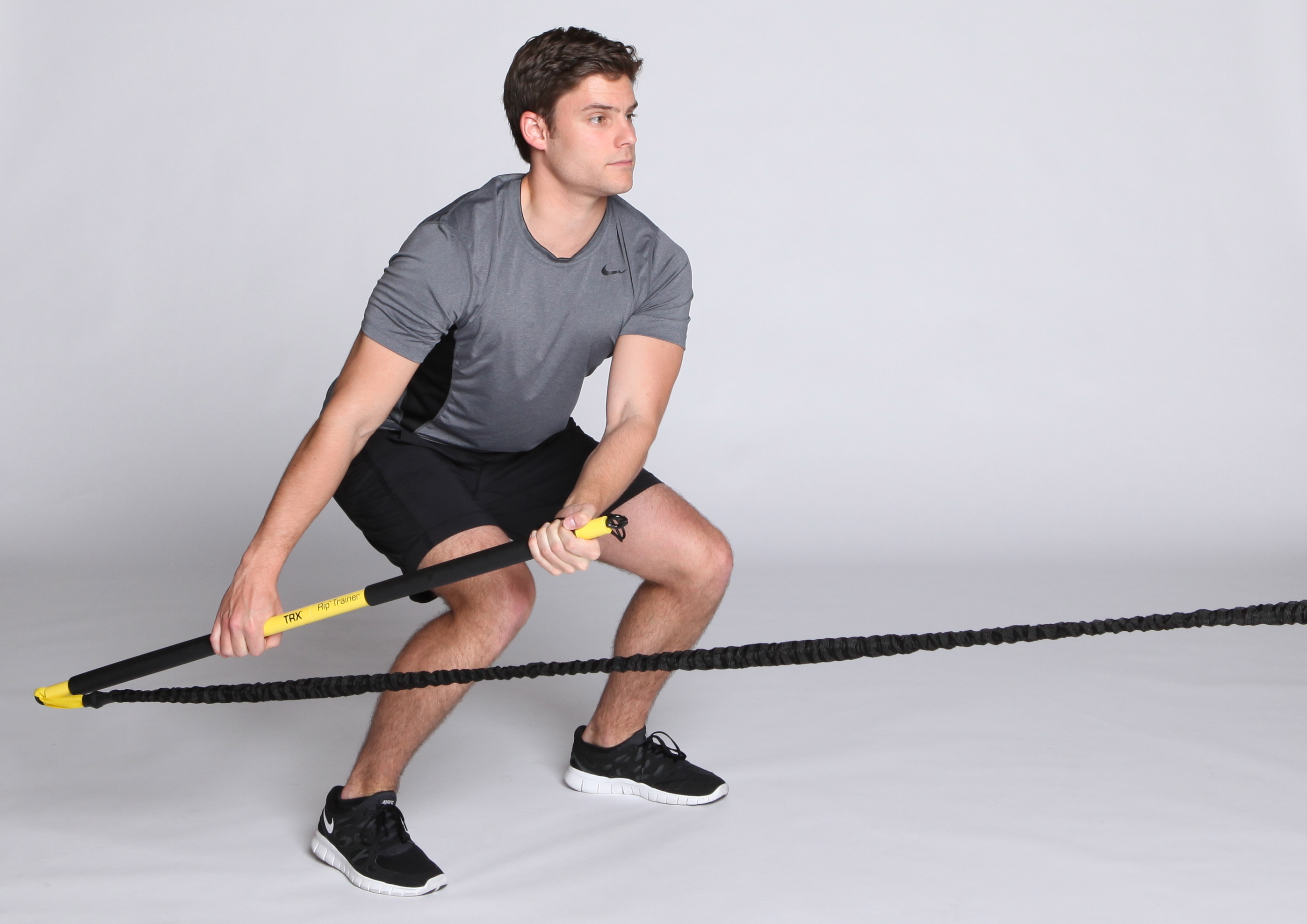
  

Overall Benefits of TRX RIP Training (check out the video):

  • Improved lean muscle mass
  • Improved balance
  • Increased flexibility
  • Enhanced core stability
  • Improved endurance

Training on the TRX requires your core to be active and engaged during the entire training session. The functional and dynamic movements performed using the TRX all require the core to stabilize and balance the body. For example, while performing a bicep curl with the TRX, you must engage your core to stabilize your body. You work the specific muscle, but are also working ALL of your core muscles at the same time. There is no need to spend extra time doing hundreds of crunches, or back extensions. Grab some straps and train like a Navy Seal to change your body and keep it ready for SUP all year long!
RPE, SUP and Neutral

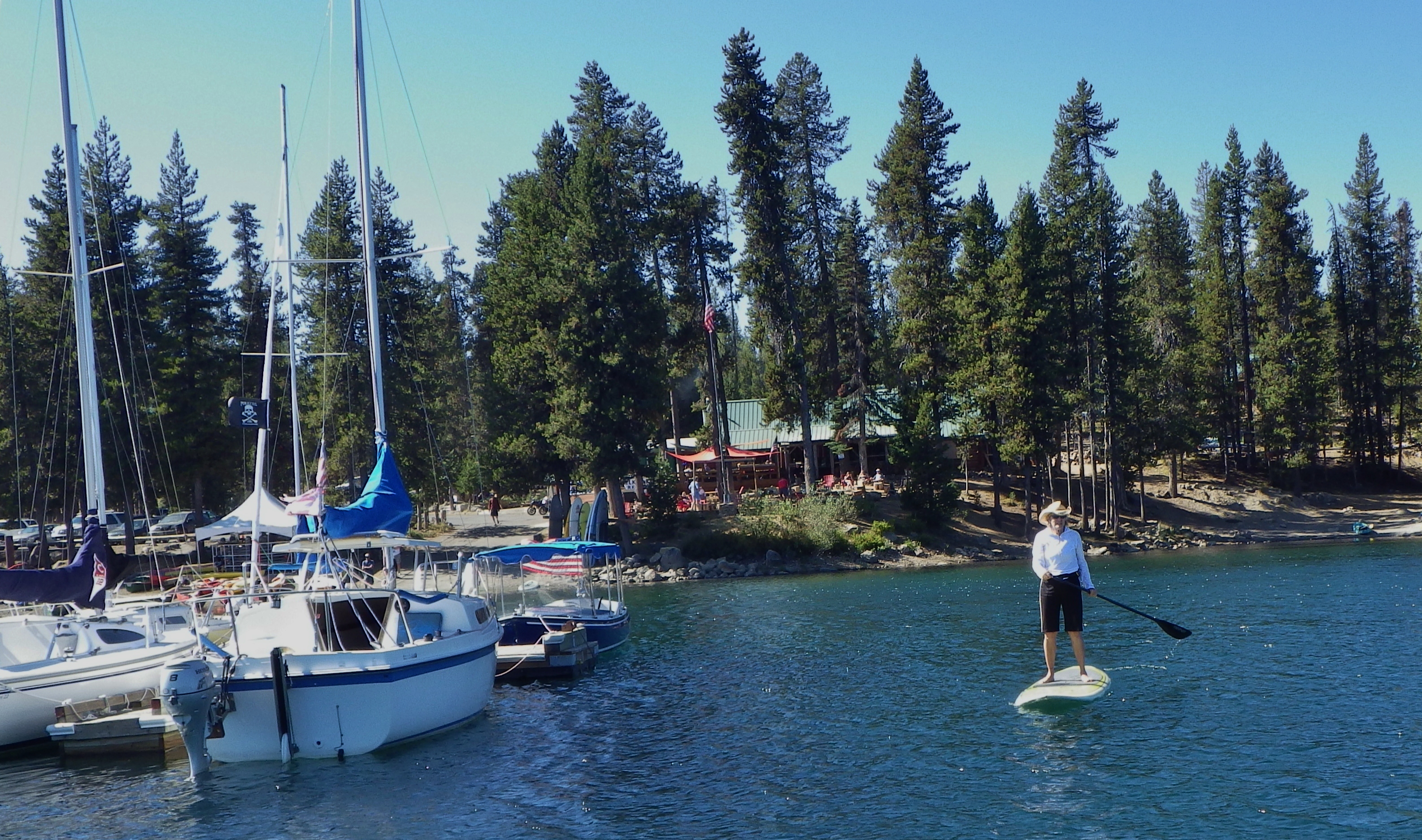
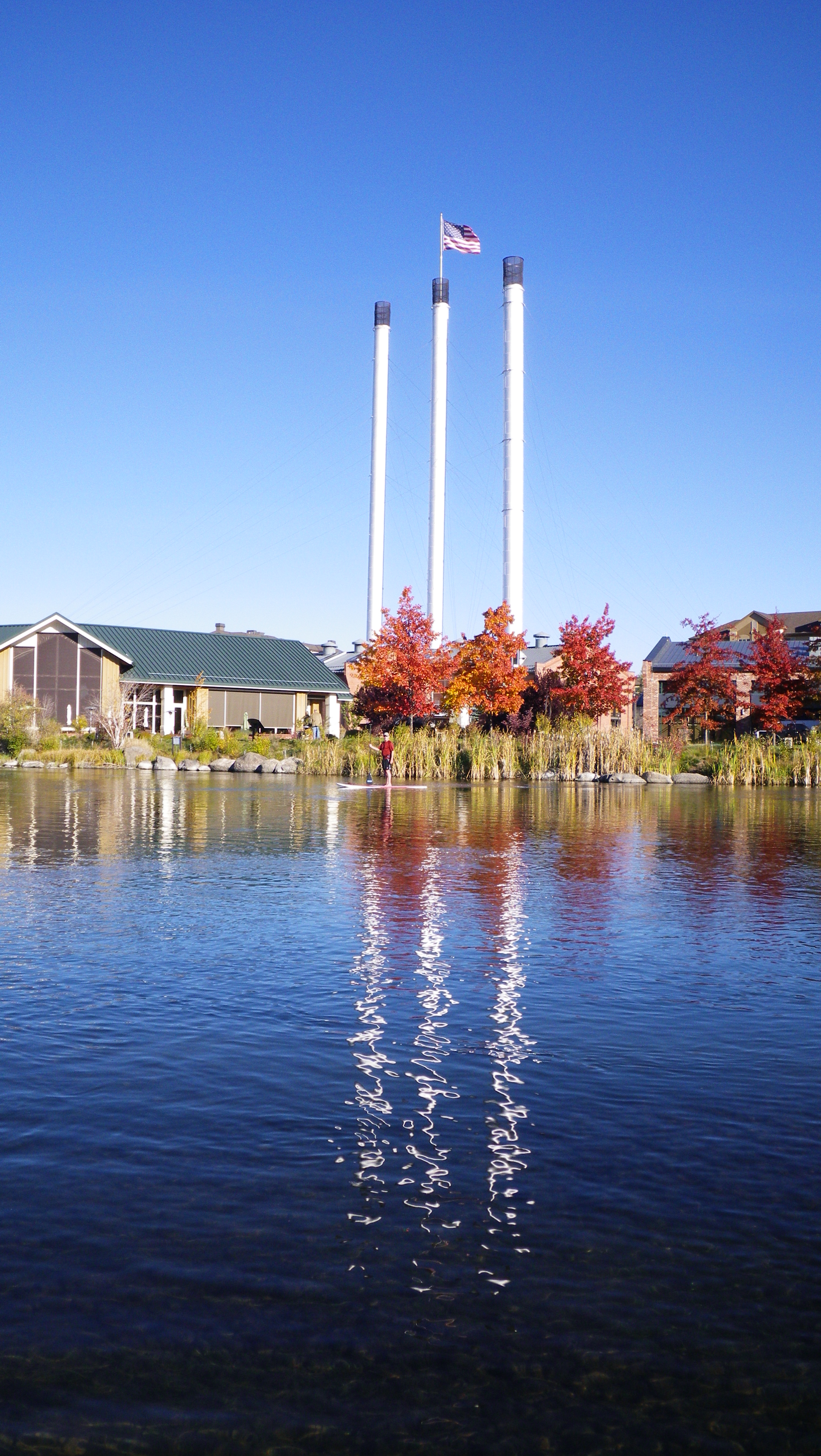
My best paddle last week came about 10 days into my training with the TRX RIP and TRX Suspension trainers.  As I dropped my board into the brisk Deschutes River I was thinking about fall colors and maybe the last barefoot paddle of the season. There was not a cloud in the sky although we were predicted to get a few inches of snow by late evening. I felt great! 

In order to monitor a bit about my training paddles I use Nike+ on my iPhone to get feedback on minutes per mile. I wear a Polar heart rate monitor because sometimes I tend to go too hard for too long and start to erase the fun factor. I always bring along the GoPro HERO with at least two mounts. The suction mount on the board works well in the river, and the head mount captures awesome views. On this particular day I was simply out for color and the brilliant day. Training wasn’t on my mind.

Imagine my surprise when I heard the robo-voice from the Nike+ app say, ” One mile. Average pace 18 minutes per mile.” Okay,” I thought to myself, “When the breeze is in my face and I am going up current in this section of the river I average 21 minutes a mile.” Weird, I wasn’t trying so hard, my rate of perceived exertion (RPE) was medium, maybe a 6 out of 10.  Heart rate was in a manageable range. What was making a difference?

I believe I was cranking out the miles in a quick but seemingly easy manner because of two things.

First of all, I did feel powerful. My feet seemed to be gaining power from my legs with each paddle – and the only thing I was doing differently was maintaining a neutral spine. Core engaged and tail tucked. A neutral spine is a prerequisite to doing the TRX system. Perhaps 10 days of practice at that had provided me with a better “engine.” I have had a habit of bending at the waist, particularly when skiing. Muscle and body memory around creating that more upright, neutral spine might be a valuable transfer to more than just my SUP technique. Good news since ski season is just around the corner.

Technique makes all the difference. I get a great deal of insight by reading Dave Kalama’s blog. He recently wrote, “Paddling most of the time needs to be a very flowing and rhythmic action, not a tense muscle flexed series of positions, but rather a constant continually moving movie. Don’t get me wrong, there is a time and a place to exert yourself, but if your base stroke comes from a place of rhythm and flow, when you exert yourself you will be much more effective and efficient. The best fix for it is to greatly reduce your power level and learn how to use your technique as your driving force, not your power output. Decrease your power to the level that you don’t feel like you’re doing any work at all, and just concentrate on technique. You’ll be surprised at how fast you go.”

I have no doubt that my neutral spine and effective technique made all the difference on speed.  How satisfying to have things come together – awareness of technique, reach, proper hand and arm placement as well as on-land training.  What’s been your best “surprise” when it’s come to RPE and SUP?

Surf is Where? Arizona!

Lake Pleasant near Phoenix AZ, home of Standup Paddle Arizona http://standuppaddlearizona.com/

Without a wave in sight, an active bunch of standup paddlers have found a perfect place to hone their skills and enjoy their SUP adventures – in Lake Pleasant near Phoenix, AZ.

Stand up paddle boarding in AZ is fortunate to have a leader like Chandler local, Chad Brockman.

Chad Brockman enjoys paddling with a friend!

Chad has a versatile business and provides a myriad of resources for SUPers in Arizona.  As an instructor, he provides a strong foundation for the sport, especially for newbies, by  instructing them how to learn and practice the proper stroke.  Water is a haven from heat, a great medium for fitness, but it can also be a powerful, even destructive, force. Chad includes lessons on  how to read the water and be safe in and around a variety of waters.

Chad has been living in and around the water for 51 years.  That experiences has included plenty of adventures, but also some trials and tribulations.  “Talking story” and sharing insights based on experience adds to the value of Chad’s instruction.

Chad explains, “SUP Health not only improves your physical condition, it will gift you with a healthy mental outlook.” Part of starting new people on standup paddling is giving the “straight scoop” about purchasing the right equipment. Being able to grow into, not out of, equipment saves money and frustration in the long run.  We could not agree more.

If you live in AZ you have a super resource available. Whether you are recovering from an injury or simply want a way to have fun with friends and family and escape the intense heat, SUP is the way to go.

Anyone can do this! Standup paddle boarding can be done any time of day, even by the light of the moon. Join Arizona Standup Paddle for what could be the most fun you’ve had on the water! Chad Brockman is a bona-fide waterman with over four decades of experience world-wide. He has been introducing this new sport of SUP to the valley for five years.  Chad has become an ACE Certified SUP Fitness and a World Paddle Association Safety Instructor.

The state of Arizona offers great weather year-round. Stand-up-paddle boarding is growing as more and more people, products and places are being discovered daily.

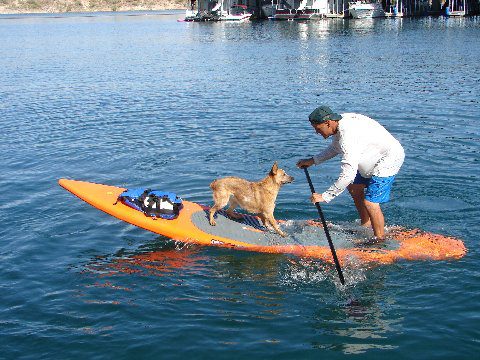
This is a great opportunity to try out this new sport. We all like walking on water, now we can run! And get wet, and have fun with our dogs! 


Brr & Cold = SUP Fitness Challenges

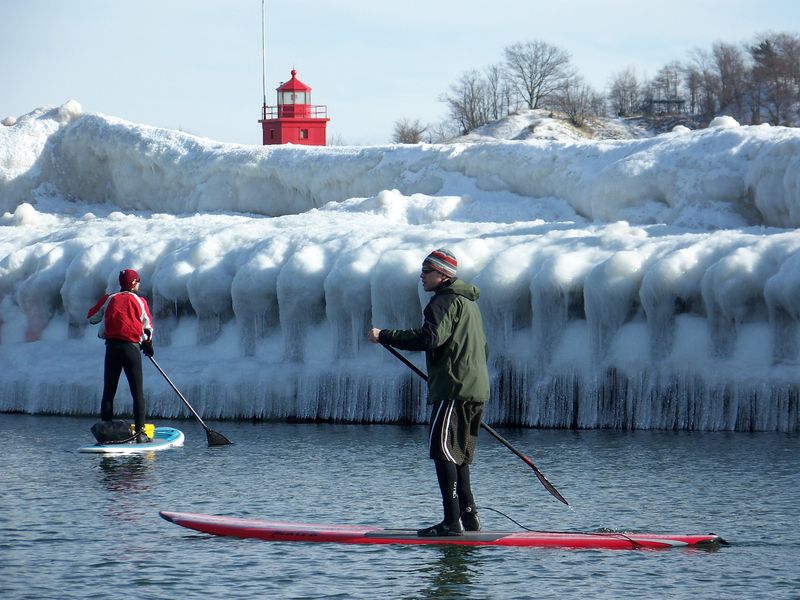
For a huge part of the world October delivers astounding Fall colors and freezing nights. Unless the palm trees are waving in the breeze where you live, unless you bundle up in neoprene booties, your SUP days are more challenging this time of year.

SUP fitness might be on your mind. You might:

    • Miss the easy whole body workout that SUP delivers to keep you fit all season
    • Want to stay in SUP fitness training so you’ll be ready for next season’s events and fun

This is exactly the time of year to be thinking this way. Fitness is an illusive sports partner – now you have it… and (way too soon) now you don’t. 

A great resource can be found at your local Naish SUP retailer. Often there is a fitness professional available to provide some solid off season training. We have learned quite a bit from  Christian Cook at NRG Salt in Madeira, FL. He’s got a great philosophy about SUP training – get your training on the board or through in-the-gym sessions that mimic the flow and smoothness of SUP. He’s always looking for ways to grab a few fitness (strength, flexibility and balance) moments during a paddle. The last time I paddled with Christian we were grabbing the sides of docks as we passed under them and doing a few pull-ups as we cruised by. Cool factor: not 3 minutes later a huge bottle-nose dolphin rolled across our bow wake. That’s Tampa Bay for you!

We have been fortunate to find Suzie Cooney, CPT of Suzie Trains Maui and a Naish team rider– 3000 miles across the Pacific Ocean from us, but as close as a quick SKYPE call.  A free SKYPE account and a computer with video capability is all you need for a distance training session. Once you contact Suzie you’ll discover many ways she can enhance your fitness and SUP performance on the water.

How do you train? What’s your favorite off-the-water fitness routine? Have you got some shoulder, back or core exercise that have helped you rehab after an injury – or remain injury-free?

Let us know what inspires your off-season off-water workouts.

SUP Circuit Training

Suzie Cooney at Suzie Trains Maui will be providing a super SUP training for those of you fortunate to be in Maui on November 3rd, 2012. She will be at Lumeria Maui doing a “hands on” SUP workshop that will up the  SUP performance for all levels among the attendees.

I would love to be there to get insights for the 30-week “Ed’s Journey Back to SUP Fitness” after shoulder surgery. Here are some topics that will be covered:

  • Preparing Your Body for the sport of Stand Up Paddling
  • Ocean Preparedness & Water Safety
  • Preparing for the famous Maui Maliko Downwinders (Looking forward to doing a few of these the first week of May 2013! Woohoo!)
  • Equipment and Gear Review: Boards provided by Naish International
  • SUP Techniques – Fine Tuning Your Skills – Finding your “power” in your stroke
  • SUP Fitness Training Demos and Group Participation

Until we are ready for all the training Suzie will be sharing, we are piecing together training from a combination of our own experience and actual paddling.

The weather is turning cooler in Central Oregon, but the weekend promises some 80 degree highs. Some paddling will be on the agenda, but as our home gym shapes up we will be starting on some circuit training. Circuit training is great because you can get your heart rate going, build muscle and muscle endurance. We will do something like spin cycle that elevates our heart rate followed by a couple exercises that include strength and balance. Once a 5-10 minute cardio session is done we will move right into some kettle ball swings (from a squat position swinging the kettle ball to shoulder height coming to a standing position) and repeat.  We don’t own the actual “kettle balls” so we will use a handweight with a strap, the Heavyhands brand.  Right now we will use a range from 3-7 lbs. Ed is still watching what he does with the shoulder very carefully.

I am not injured so I plan to  move into a plank position with elbows on a ball and roll the ball forward and back for 20 reps. Ed will do a modified move on the stability ball recommended by his PT trainer, Craig, at Therapeutic Associates. We will do this circuit 3 times and then move on to another circuit that includes some moves on the Indo Board.

Another idea of a circuit we might do would be to start with something like 15 split jumps on each leg. I go gingerly on these due to 5 knee (ACL and meniscus) surgeries over the past 6 years. I jump carefully straight up and land softly.  Next we can add about 20 tricep dips then 20 reverse crunches. It is a solid workout when we repeat this circuit another two times. Basically, we plan to come up with some circuits of three exercises. The first exercise of the series will be something that will elevates our heart rate ( jump rope, running stairs or the canyon hill behind the house, sprints on a spin bike). We’ll add a strength exercise ( kettle bells, push ups, tricep dips, pull ups, etc…) then add in a core exercise ( reverse crunch, plank, medicine ball sit up and throws). After we finish one circuit of three we’ll then move on to another.

What’s your dry land training program? We’d love to hear from you!

Battle of the Paddle – GO!

Dana Point will be bursting to the seams with every sort of standup paddler from the most elite to the curious newbie. From  a huge array of vendors on the shore to the high-energy races and the exuberant fans, friends and families this is a not-to-be missed stand-up paddle (SUP) exposition that is an ocean festival celebrating what has become a global lifestyle. The expectation for more than 1000 entries is highly realistic – and I truly wish I could be entry number 1001. My guess? There are plenty of you out there who’d love to join in as well. There will be something for everyone. From beginners, to family and company relay teams, to high intensity elite competition, Battle of the Paddle is a showcase for the water sport we love.

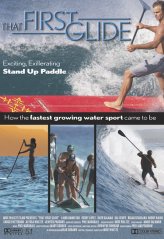
Long before I ever thought I’d have the skills to consider heading out for an event like Battle of the Paddle I received the 2009 Commemorative Promo DVD called, “Stand Up and Make a Difference” for the Battle of the Paddle. Seriously, the dream began. Just this summer we purchased a new Mike Waltze film called, “That First Glide.” The hook was now seriously set. 

The story began with images evoking the pioneers of 2000 years ago venturing from Tahiti on their paddle canoes. Over time, Hawaiians introduced surfing and paddling to the world. Over many generations, the “beach boys” refined their sport purely out of having fun on the waters that sustained and influenced their life and culture. No doubt you’ll be in awe of some of the waves the film captures, monsters being ridden with an evolutionary array of boards and paddles by modern day pioneers that include Gerry Lopez, Laird Hamilton, Dave Kalama, Chuck Patterson and many more. When you take the time to watch the film it’s hard not to get jazzed about riding waves and paddling flatwater that is accessible to any of us. The segment showing Laird and Dave simply playing on waves that many of us might find “not good enough” is a perfect example of the absolute versatility of standup paddling from the perspective of two of the greatest watermen.

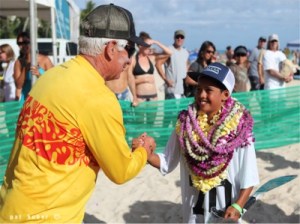
This is what it’s all about – Rainbow Sandals Founder Jay ‘Sparky’ Longley looks to the future of SUP – 12-year-old Riggs Napoleon, son of Aaron Napoleon. Photo by Chase Olivieri.

Back to the theme of this article, the Battle of the Paddle. There is a short interview midway through the film in which Gerry Lopez is asked about the inspiration for what has become such an incredible SUP event. There is a pause and then a grin, Gerry explains that he and Sparky Longley (founder, Rainbow Sandals)  both became enamored with standup at about the same time. When they started thinking about what kind of event they could design Gerry knew exactly what kind it should be. “The race should start right in the surf and go in and out through the surf with the course set right in the middle of the surf break.” And so began one of the most compelling and challenging ocean events drawing in some of the best ocean athletes in the world.

The elite racers have to mix it up with a sprint through the gauntlet midway through their race. They return to the surf for another loop. Obviously these elite athletes have to stay tuned in to the condition and be in top physical shape.

One aspect of BOP is that it includes events that stretch standup paddlers of all levels to the best of their current abilities. The Open course begins outside of the surf break. Demos and “fun” events allow beginners to feel a part of the energy and culture.

To all of you reading this who are “BOP Dreaming,” take a look around your own backyard – or ocean, lake, river or bay. We are blessed with endless numbers and types of events organized by people with a similar passion for getting the SUP “game” right. Maybe you are one of those people. If so, please share a story or comment about your event. Just like we are collecting stories about SUP retailers and professionals working hard for a cause, we want to collect stories about people who infuse local events with a passion and energy similar to what the BOP has nurtured.

Read a bit about one such event organizer, Steve Gates of Big Winds and the Naish Gorge Paddle Challenge in Hood River Oregon. Then send us e-mail with your story. We might not be part of the 1000+ at Battle of the Paddle in Dana Point next weekend, but we can be a part of the culture it inspires.

Fitness Journey Back

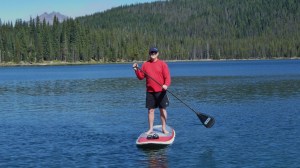
All summer long I have been paddling about 5 days a week but feeling a bit bad about all the fun. My husband, Ed, had a summer doing PT for rotator cuff repair, Lifting a 1 lb weight and pulling a red TheraBand just didn’t equate to fun. While staying in cardio shape hiking the incredible trails and peaks are Central Oregon has been terrific, we prefer our water sports. Last Saturday he got the okay to get on his board – but “take it easy,”  said surgeon Cara Walther. The spectacular first day of fall weather agreed with a casual cruise with friends up at Elk Lake.

According to Ed’s first paddle back after 5 months shoulder rehab

Since Ed will be training under the expertise of Suzie Cooney (Suzie Trains Maui, a Naish team rider– you can too, just set up your Skype training – left column on her blog) he decided to give the shoulder a nice long warm up. After that, he paddled along the shoreline observing which muscles seemed to be engaged – abs and lats more than the shoulder.  Balancing on the board on the lake seemed easier than balancing on the Indo board that he plans to use this upcoming week.

Why did we get an Indo Board? Some training examples using the Indo board can be found on Suzie Cooney’s website.

According to information we found online, “Indo Board Balance Trainers are the most effective land-based means of training for SUP racing, SUP surfing and Stand Up Paddle Board Yoga. Standing on an Indo Board simulates the instability that a rider experiences when riding a stand up paddle board and allows for repetitious functional exercises that directly enhance the user’s abilities.” With cooler weather and snow on the horizon for the next 6 months, that’s going to be a fine addition to our training mix. You just can’t get enough core strength and balance.

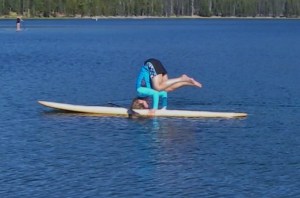
Going for my headstand while comfortable and cozy in my Sweet Waterwear performance paddling top

Balance was on both our minds. I had set a goal of doing a headstand on my board sometime during the summer. In spite of lots of yoga and headstand practice I could only muster a halfway headstand. We all know the mantra, and it’s true, “it’s a journey.” There is no place in which we simply get fit and then remain fit. Balance is a practice, just like most things that are important. The fact that I completed the partial headstand and remained dry simply means I held back a bit and didn’t quite go all the way to my edge. (Next warm day we’ll have another go at it!)

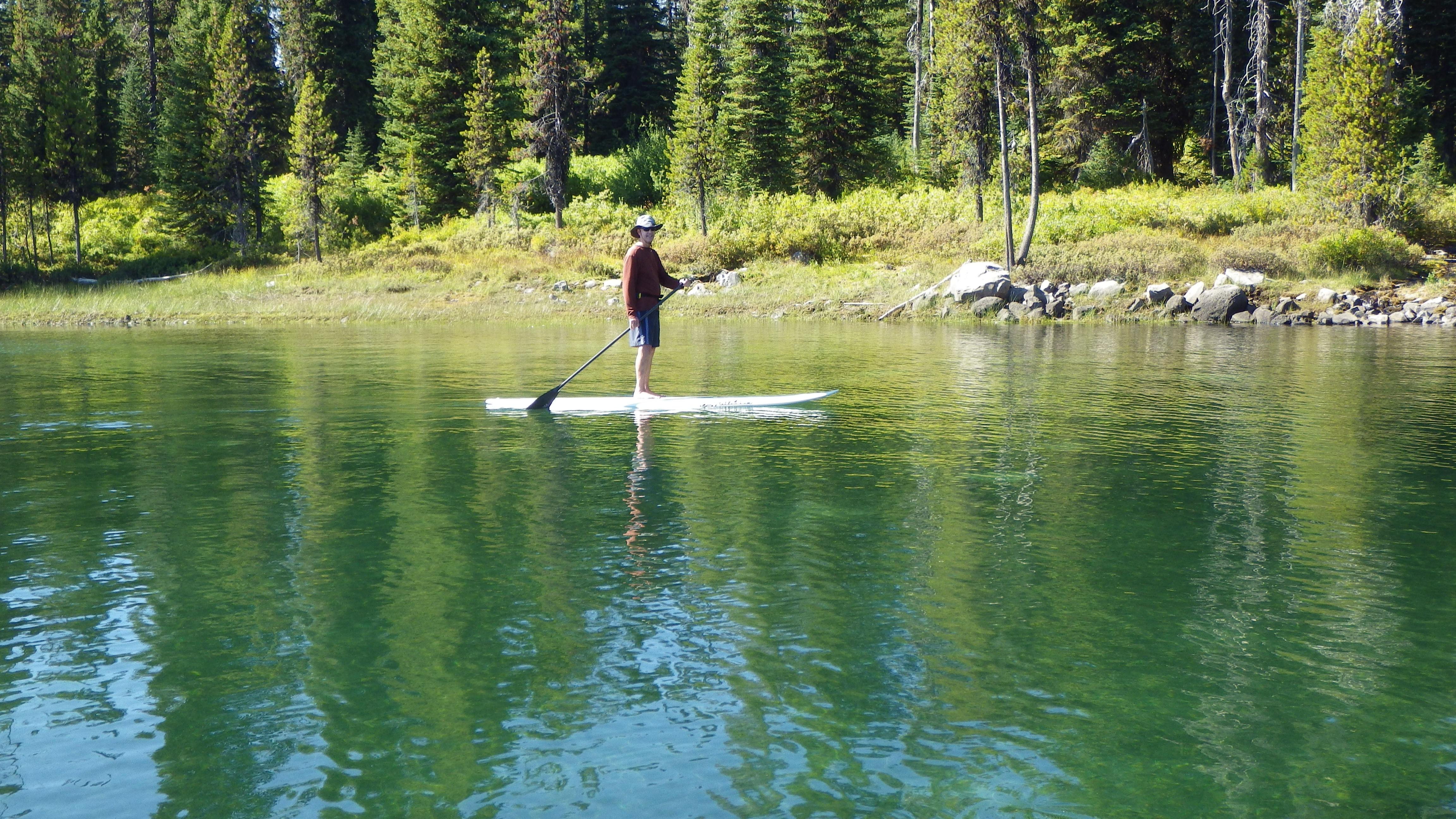
Rick’s got the reflection both on the water and in his mind

Another important thing we celebrated while paddling on Saturday was the one year anniversary since our good friend, Rick, was surprised by a sudden stroke. Fit, healthy and active, that health incident came as a complete shock to Rick. Perhaps his good health gave him the start point for full recovery and the ability to resume standup paddling with all the confidence he’d had before.  All four of us have been more aware than ever of the need to stay focused on an exercise program that includes cardio, balance, flexibility and strength. Now that we’re heading to our mid-60’s we’ve got a lot of inspiration to keep the active fun a central part of how we live.

Surf is Where?

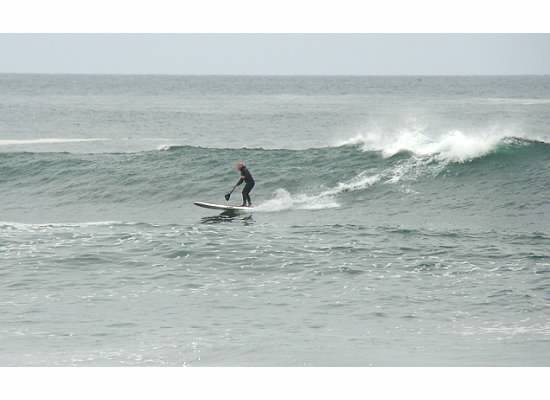
A few weeks ago a group of friends headed off to Pacific City, Oregon for one of the last summer weekends. With temperatures cooler in the easterly cities, we hoped to avoid the ubiquitous fog that generally shrouds the Cape Kiwanda shoreline. Not so – we had foggy conditions throughout the weekend. The picture to the left shows one of the big sun breaks and an average of the wave conditions. Sure, the occasional larger set rolled in. and so did the wind. The picture to the right shows the chaotic sets we enjoyed for most of Saturday. 

An interesting thing to note is the lack of crowds on the water. Many who came to check out the surf left grumbling about this or that, fog or wind or chill or wave speed. When we got out about 9:30 there were a few prone surfers and about 5 standup surfers. The sets were fairly infrequent so paddling out wasn’t too difficult, staying up while waiting for a wave – more so!

Looking over to the southerly side of the haystack rock, just off the south corner of the Pelican Pub, I noticed a silhouette and surf style that’s not easy to miss. It was Gerry Lopez. He’d been out long before any of us.  With ease, he’d caught dozens upon dozens of rides that made the graceful most of every wave.

The exact same waves deemed not good enough for many who’d visited the shore that day, were providing plenty of rides for one of surfing’s greatest – and for hours on end.  In the few hours I was out there honing more standing and balancing than surfing skills, I watched Gerry watch the waves. Patience to look for the right wave is not my forte, so I learned as I watched him watch. Observing his easy-powerful paddle strokes and graceful rides provided some serious lessons. On each wave, Gerry decided when to cut out of the wave to both avoid getting tousled in the washing machine shore break and to make the paddle out an easier task. Simply being aware of that important phase of riding the wave – exiting it at the right time – can save a lot of hard work.

I finally scored a wave that allowed me a very sweet ride. It seemed like so many I had missed so far, then out of the blue it held up and invited me to dig in for those last few strokes.  Once on, I let it direct me right – so easily.  Catching the second build of the shore break, I decided to end on that note and go ashore to warm up and watch some more. I was still perched on the tailgate of my truck when a few hours later a friend came in plenty exhausted. He commented on how cool Gerry was, giving a few pointers and generally bolstering confidence among some of the SUP surfers sharing the waves. The foggy, windy day warmed – maybe it was just the “aloha.’

I reflected on that surf session today at noon, oddly, while stretching into a forward fold at Groove Yoga. Instructor Cynthia Latimer was giving just the class my mind and body needed. She was bringing our breath and focus to the mat with the unique spirit she shares via her teaching I looked at my mat below my bare toes and considered if riding my breath and movement in this yoga class was really so different from riding a wave. This just right class seemed in many a bit like the ONE wave last Saturday.  Similarly, that wave was just naturally, easily right too.

My thoughts turned back to watching Gerry on some fairly mediocre waves last week riding, playing, sharing aloha with the other surfers and being in the moment. Truly living what he shares in his book, Surf is Where You Find It. Gerry explained in a recent interview that was part of his book tour,  “So I would like to say that we are all here in this life to LIVE. Life is moment to moment, if somehow one moment escapes you, if you haven’t lived it to the fullest, live the next one too. Keep paddling, keep breathing through your nose, live with aloha.”

In the moment when you get to your favorite surf beach and it is too flat, too hot, too windy or not enough of something, consider making the most of that moment.  If there is a way to go with the flow in a manner different than the agenda that brought you to that beach or that moment, consider making a considered, aware choice on how to live it.

In various studios and retreats in which Gerry shares insights and guidance through his yoga classes, you are likely to hear him say something like this, “This is why surfing is such a great metaphor for life. Life doesn’t hold still for us. If we don’t move with it, life just passes us right by, it leaves us behind. Surfing teaches you to be in that moment spontaneously, go with the flow smoothly. That’s how you get the most of the wave and it’s also how you get the most out of life. 

At work, at play, on your yoga mat, and of course in the ocean, surf is where you find it. And being a “surfer” is what you make it.

SUP Race YOUR Way

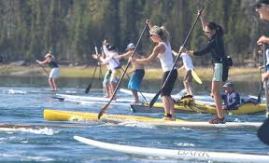
Eager paddlers at Elk Lake outside of Bend, OR

You’ve signed up for the local race, a day of friends, water, standup paddling, often a good cause to support and the chance to hone your skills. It'[s a recipe for a great effort and a great day. Oddly, before a race there’s often a ripple of disclaimers as the competition draws near:

  • I’m tired (sore, out of practice, not feeling well)
  • This board is too heavy (long, short, tippy, slow)
  • It’s windy (rough, hot, cold)

Sarah Castle has an entirely different perspective on attitude when it comes to competing. She’s captain of the 2012 U.S. Paralympic Women’s Wheelchair Basketball Team. That’s right, players competing in basketball that’s practically a full contact sport from their wheelchairs. No excuses, no disclaimers – just a team focused on pushing full-force for the entire game. Not only that, the team is really diverse in terms of age. We all know how challenging it is to maintain competitive endurance as we age. (New disclaimer – oh, by the way, I am older than you are) Imagine adding that challenge to the fact that every team is out to get TEAM USA because they nabbed gold in the past two Olympics.

Team USA comes into the London 2012 Paralympic Games as the two-time defending champions, winning gold at the Athens 2004 Paralympic Games and the Beijing 2008 Paralympic Games.  One thing is certain, they  bring their best game every time. “We bring our best game and we play our game, every time. That’s all we can strive for,” says Sarah Castle.  No matter what the outcome of any event, that’s  a “win” that really matters.

So, back to the litany of excuses we often hear, and might even voice, when we come to our competitions. How can players compete at the elite level and avoid that pitfall of negativity? Surely, we at our level can bring a better “game” to our events. What do we need? Preparation, focus and passion for the “game.”

  • If you didn’t get out on the water or to your training routine enough before an event, you left preparation at home.
  • If you’re worried about your equipment or the weather, you’ve got focus out of whack
  • If you’ve got an enthusiastic passion for paddling at your best today for the entire route or course – then life is good!

A laugh can quell those butterflies

Deciding what is okay, and what make a grin flash across your face can make all the difference.  For someone who went from being an active healthy 11 year-old to adapting to after-effects of a disease that brought paralysis and the need for a wheelchair, Sarah Castle has focused on following paths that inspire her, working hard and getting her “grin” on.  What’s right for you? Sometimes the most remarkable thing an elite athlete or the weekend warrior can do happens outside the event. Have you ever:

We love our sport! Better yet, we love the heroes, leaders and players that inspire us to bring our own best game every time – and to be okay with whatever that is. Take the time to watch Sarah and our amazing US Team.
For more information on the 2012 U.S. Paralympic Team and Paralympic athletes, competitions and sports in the United States, visit http://www.USParalympics.org, the official website of U.S. Paralympics, a division of the United States Olympic Committee formed in 2001. U.S. Paralympics leads the Paralympic Movement in the United States.

Subscribe to their channel for more Paralympic content:http://www.youtube.com/usparalympics
Follow them on Twitter: https://twitter.com/USParalympics
Like them on Facebook: http://www.facebook.com/USParalympics

Suzie Trains Maui – and Eddie!

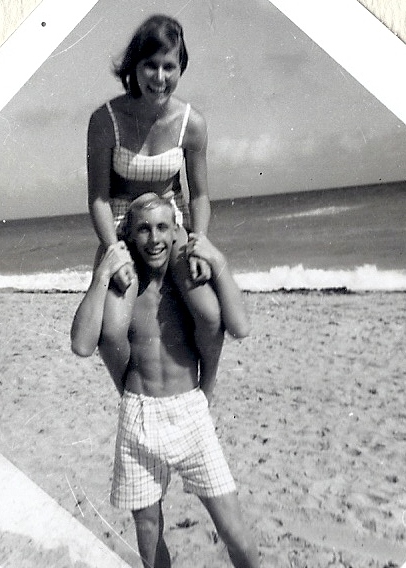
Back in the day – 1966-1970 to be exact – Ed and I were playing at surfing the mushy calf-high waves we had in balmy South Florida. We were the Beach Boys-era sweethearts. From 1970-2007 we didn’t surf, using our ocean time to sail, scuba, windsurf, fish, finish college and raise the family.  2001 found us moving life to Oregon, and by 2007 we discovered standup paddling and were back in the surf 4 decades later!

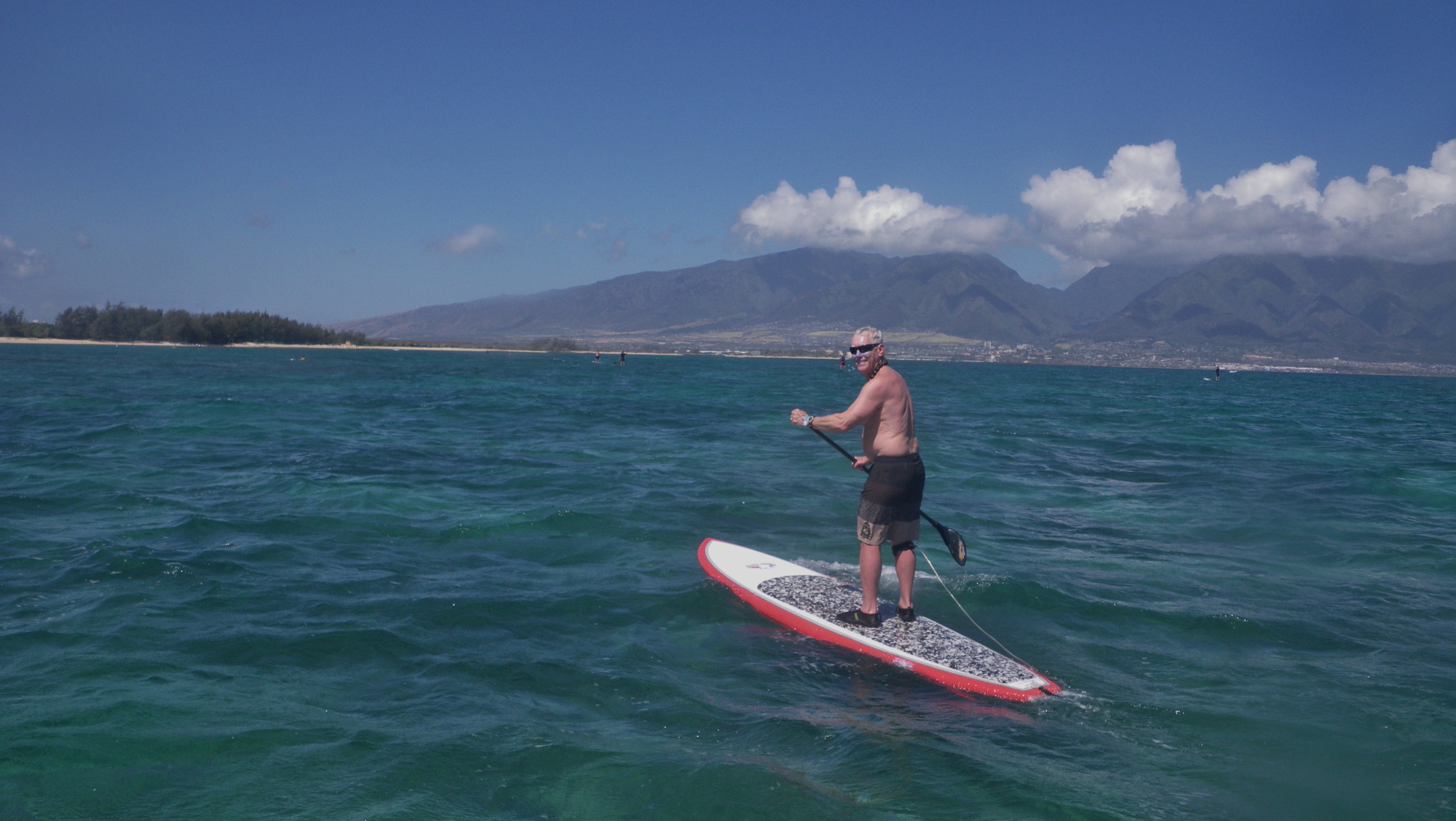
In the natural progression of things, two diverse events influenced our Summer 2012 activities.  One was Ed’s second rotator cuff surgery (yes, he was brave enough to go through that torture twice) and our trip to Maui to try the short version of the Ho’olaule’a event. Four days after the coolest downwind adventure either of us had experiences poor Ed went under the knife. But not before we were hooked on downwind, open ocean fun!


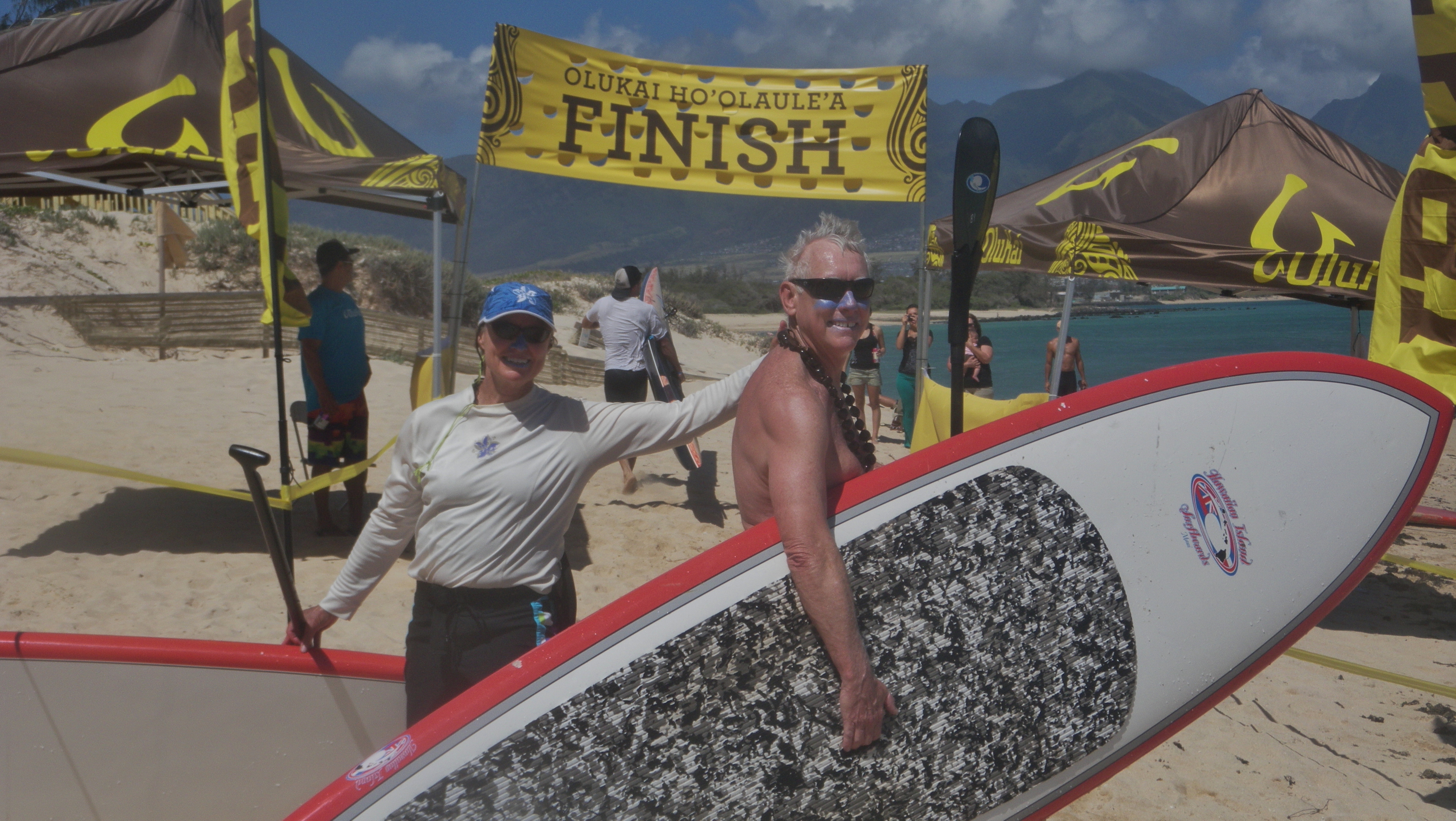
In the pictures above, it’s easy to see we are still the happy ocean-loving “kids” we were back in 1967 but it’s also easy to see that our abs are a bit worse for wear at age 63. Fortunately, just before the start of our event, Maui local and globally respected standup paddler/athlete, Suzie Cooney, provided a pre-race warmup. That gave us a chance not only to meet Suzie but to get to know a bit about her dedication to training a diverse group of clients from the casual paddler to elite athletes. As Ed went from wearing a sling to hefting the 3 lb weights he’s now using in PT we both made a commitment to getting into our best functional fitness over the next 8 months.

As much as we already know about exercise and nutrition, we realize that insights, motivation and programming provided by a respected professional is mandatory, especially as we embrace our seventh decade. Over the summer, Suzie Cooney has been kind enough to listen to our plan to follow her training “at a distance.” Nothing can replace actual time at her training facility with her customized training delivered face to face. Just the same, we have made a decision to glean as much as we can from her blog and conversations.  We have a solid goal in mind. We plan to be at the start line on May 11, 2013 ready to enjoy the full Olukai Ho’olaule’a downwind run from Maliko Gulch to Kanaha.

“Pie in the sky” – This Saturday I plan to join other hopefuls as I buy a couple of lotto tickets – would be cool to win $5000 or so. We’d probably jet off to Maui in November and prepare for Maliko at Suzie’s upcoming clinic. Meanwhile, training in Oregon is underway. The “training table” is becoming ever more healthful and an Indo Board is on its way to our home.  The digital age could very well allow us the best connection with our partner in preparation, Suzie Cooney. Most watched film this week – this training session from the Suzie Trains Maui blog. YES! We want endurance, core strength and balance. This is an excellent overview of some training options. Bring it, Suzie!