The Hands Have It

I wonder how many miles I’ve swum (swim, swam swum?) in my life. First foray onto a swimming team was at age 5 in 1954 (yes, they actually had pools way back then).  Once we started a family more miles accumulated during summers at the club pool and year round at the house. For a spell it was some ocean miles. Perfecting the reach and pull of the stroke along with hand position was a great way to keep my mind occupied during longer swims. Perhaps some of those watery decades embedded a sense of reach that is transferring to my paddle stroke over time.

Photo by Nikki Brooks (Copyright)

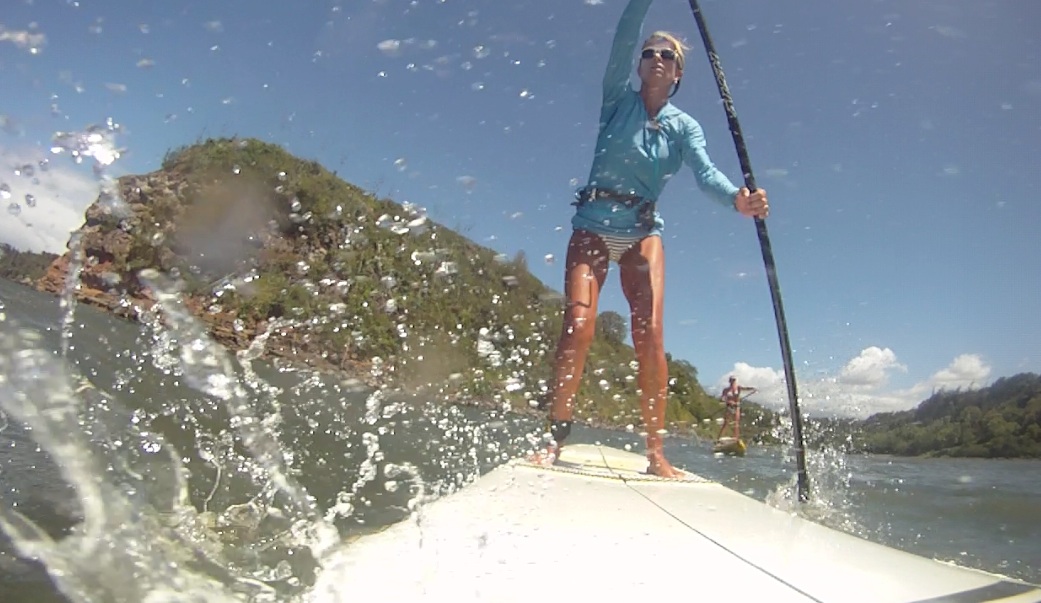
The value of using our hands in the art of paddling may be under-rated. At many SUP events there is a single or maybe a few prone paddlers.   Candice Appleby strolled out of the water at the recent Columbia Gorge Paddle Challenge after a spin in the bay prone paddling.  She noticed a group of us watching.  She enthusiastically explained why she takes time to prone paddle on a regular basis. “When you’re lying on board propelled only by your hands and arms you get a better sense of what’s  happening in the water. Whether you are going to ride waves or enjoy flat water, it’s good to really get close and experience the currents and personality of the water you’re on – up close.”

On a recent paddle in the crystal clear Hosmer Lake not far from my home I gave it a try. What a totally different sensory experience from the view we get standing. In fact, it was a whole body change of pace and training. Going slow was my top speed – not likely to have prone paddling in my quiver of top-skills! Getting a bit wet and reaching through the surface of the lake was fun.

Back in the stand up position I finished a tour of the lake and practiced some of the techniques that make every paddle more enjoyable. Today it was reach-reach-reach! I stumbled upon a rich body of information on technique posted by Dave Kalama, he’s the one with the ready grin on a mission to have fun.  He’s written some easy to understand articles on paddling technique. The one that has made the greatest difference in my paddling is called “Kalama’s 50-50.”

The written explanation of the technique meant to hone and improve “reach-reach-reach” is excellent and easy to understand. The real jewel is the video. Seriously, don’t sit at your computer and just watch the video. Grab some tape, go out on the water and really give the technique a try. It made an incredible difference in the effectiveness of  my paddle stroke this summer.

Sharing kudos on technique videos with Dave Kalama. Photo by Ed Shasek

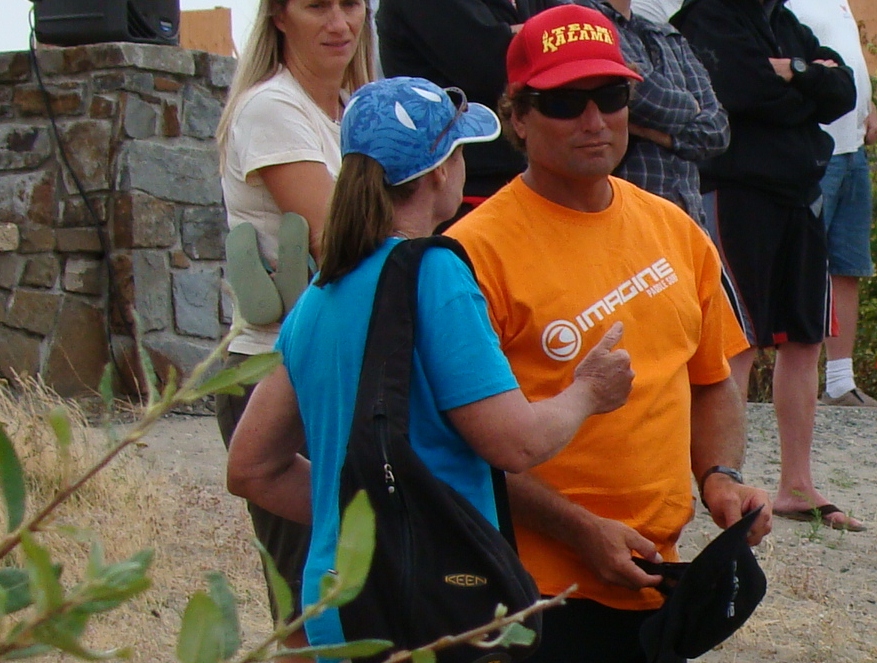
It was cool to run into Dave at the Naish Columbia Gorge Paddle Challenge. I had a chance to let him know how often I head over to his blog and search the technique section. True to his nature, he listened a bit and reminded me, “As long as you keep having fun out there. Glad you enjoyed the process.”  Dave’s got it right, the most important technique is mind set. keeping that positive mood and building confidence that leads to the most fun in whatever aspect of standup you’re in to.

What’s your favorite technique or skill-builder? Would love to hear from you.

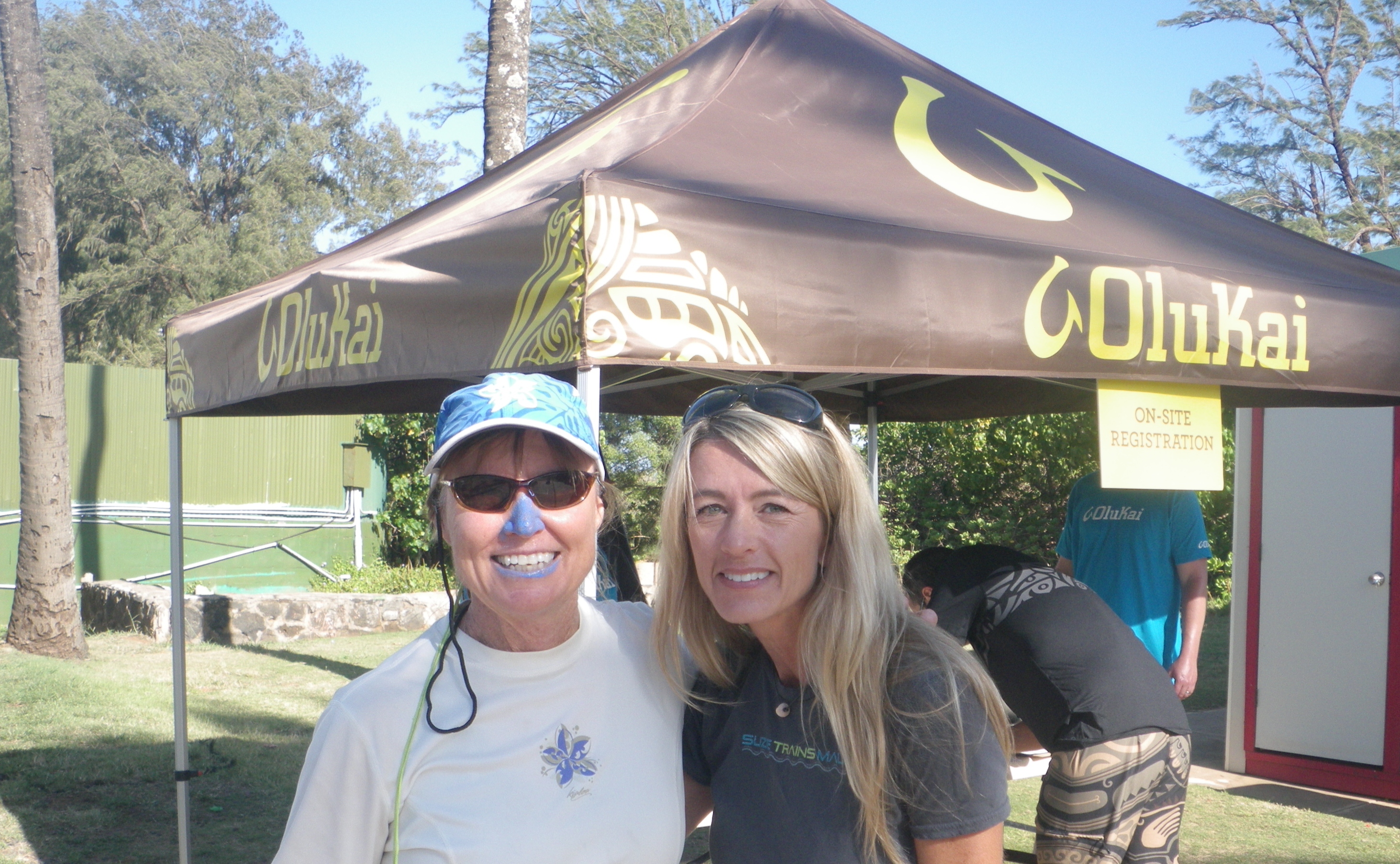
Suzie Trains Maui – and Eddie!

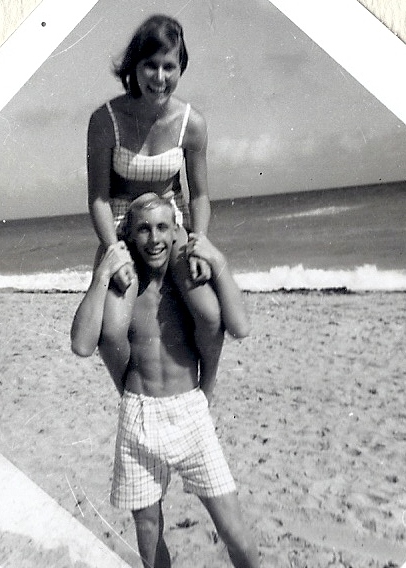
Back in the day – 1966-1970 to be exact – Ed and I were playing at surfing the mushy calf-high waves we had in balmy South Florida. We were the Beach Boys-era sweethearts. From 1970-2007 we didn’t surf, using our ocean time to sail, scuba, windsurf, fish, finish college and raise the family.  2001 found us moving life to Oregon, and by 2007 we discovered standup paddling and were back in the surf 4 decades later!

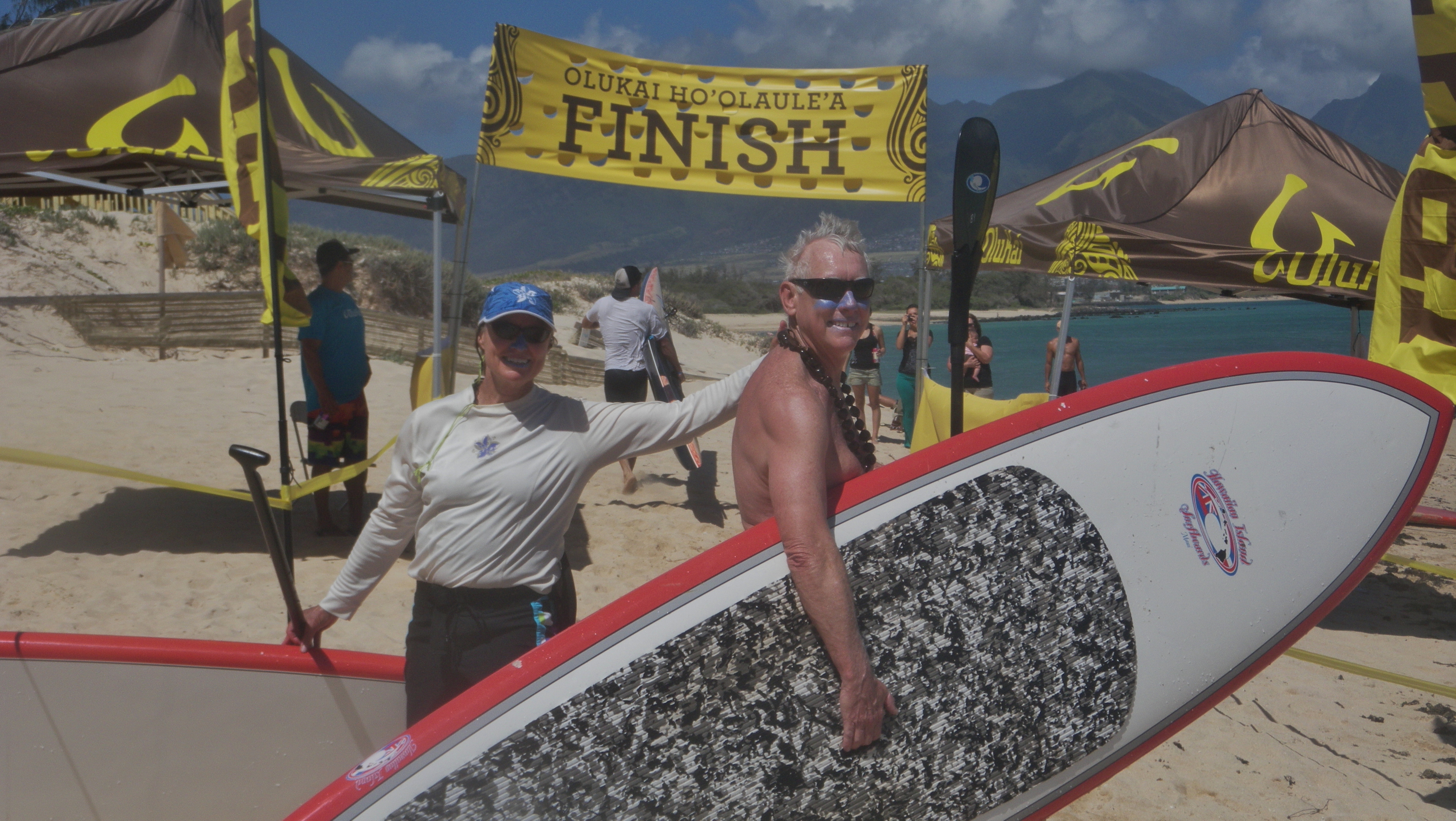
In the natural progression of things, two diverse events influenced our Summer 2012 activities.  One was Ed’s second rotator cuff surgery (yes, he was brave enough to go through that torture twice) and our trip to Maui to try the short version of the Ho’olaule’a event. Four days after the coolest downwind adventure either of us had experiences poor Ed went under the knife. But not before we were hooked on downwind, open ocean fun!


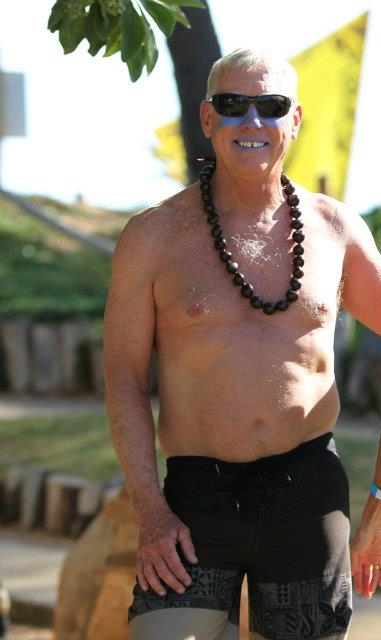
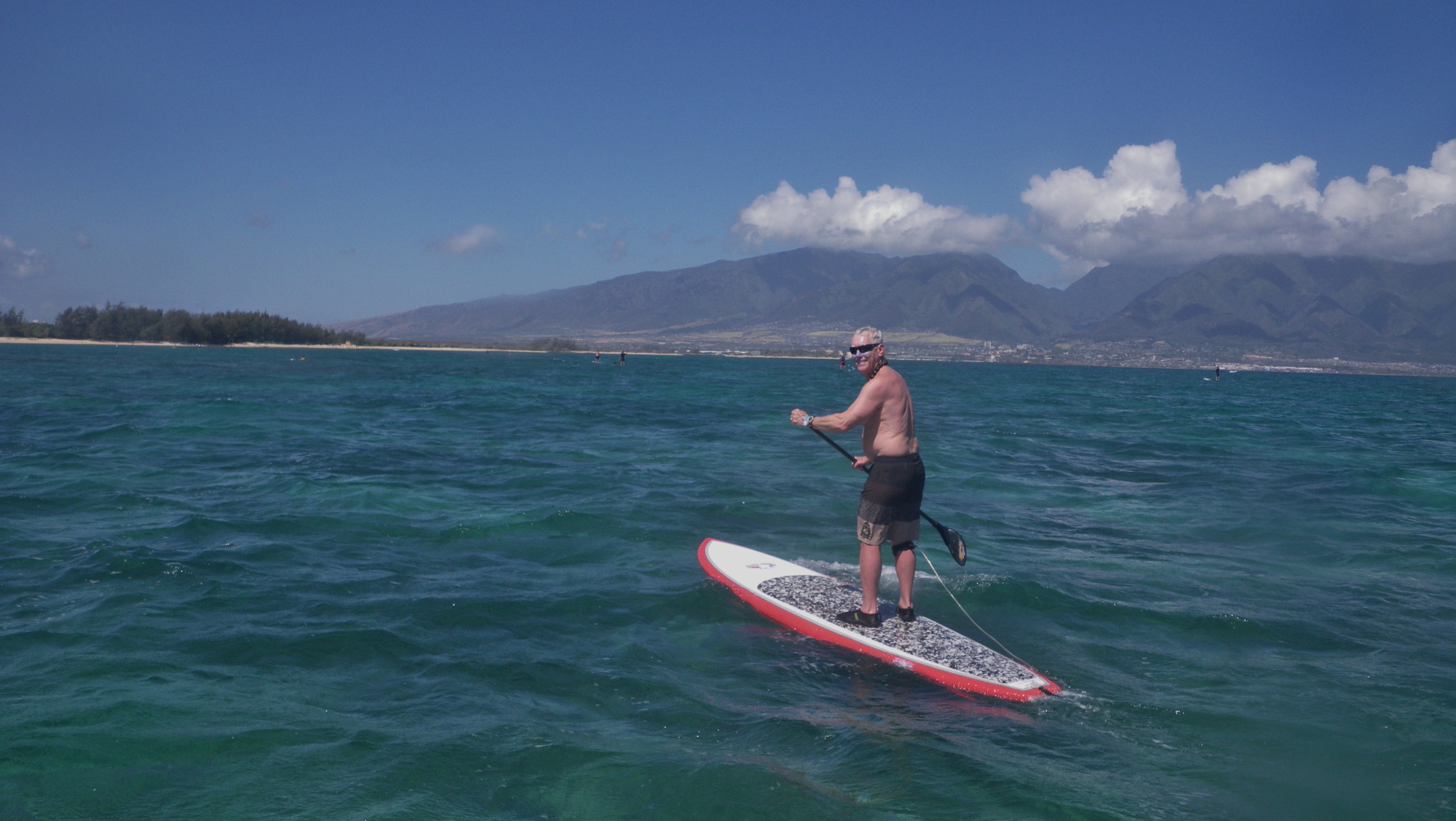
In the pictures above, it’s easy to see we are still the happy ocean-loving “kids” we were back in 1967 but it’s also easy to see that our abs are a bit worse for wear at age 63. Fortunately, just before the start of our event, Maui local and globally respected standup paddler/athlete, Suzie Cooney, provided a pre-race warmup. That gave us a chance not only to meet Suzie but to get to know a bit about her dedication to training a diverse group of clients from the casual paddler to elite athletes. As Ed went from wearing a sling to hefting the 3 lb weights he’s now using in PT we both made a commitment to getting into our best functional fitness over the next 8 months.

As much as we already know about exercise and nutrition, we realize that insights, motivation and programming provided by a respected professional is mandatory, especially as we embrace our seventh decade. Over the summer, Suzie Cooney has been kind enough to listen to our plan to follow her training “at a distance.” Nothing can replace actual time at her training facility with her customized training delivered face to face. Just the same, we have made a decision to glean as much as we can from her blog and conversations.  We have a solid goal in mind. We plan to be at the start line on May 11, 2013 ready to enjoy the full Olukai Ho’olaule’a downwind run from Maliko Gulch to Kanaha.

“Pie in the sky” – This Saturday I plan to join other hopefuls as I buy a couple of lotto tickets – would be cool to win $5000 or so. We’d probably jet off to Maui in November and prepare for Maliko at Suzie’s upcoming clinic. Meanwhile, training in Oregon is underway. The “training table” is becoming ever more healthful and an Indo Board is on its way to our home.  The digital age could very well allow us the best connection with our partner in preparation, Suzie Cooney. Most watched film this week – this training session from the Suzie Trains Maui blog. YES! We want endurance, core strength and balance. This is an excellent overview of some training options. Bring it, Suzie!

Don’t Run a Marathon in Flip Flops

Some background: I am just a regular person doing a little surfing, touring, racing, and recreational paddling.  I could get one paddle that is versatile enough to do most everything, or I could start to build out my quiver of more specialized standup paddles. The size and shape of the blade, length of the shaft are just a few things to consider when choosing a paddle. Choosing a board is even more complex and one size for all types of water and surf or purpose gets complicated. I always go to an expert for advisement when making a decision about sports equipment and SUP equipment is no different.

Sometimes people ask me, “I am just a recreational SUPer. Why do I need an expensive paddle?” First of all, “expensive” is a word that’s not easy to quantify in terms of comfort, freedom from injury, pure enjoyment, efficiancy and “feel” while enjoying your sport.

I usually answer, but it is a silly answer, “You don’t run a marathon in flip flops. Sure flip flops are the ultra comfort shoe, but not for running or even for much all-terrain walking. The $100 shoe you get for hiking, running or walking is “expensive,” but it is a huge value. The same goes for paddles.”

Being up on the right board is so much better than being dunked with a “faster’ but maybe less stable board choice.

I was talking to Steve Gates, owner of Big Winds in Hood River, Oregon a few months ago. We were discussing which Naish board I should use for an upcoming down winder on the could-be-gnarly Columbia River. We discussed balance, ability, glide and surfing.  He advised me to use the Naish Glide 12′ 6″ which is forgiving and competitive (even if I am not so much). I had wanted to try the Naish Javelin (14′) like a friend has and one I have enjoyed in the flatwater. I thought that the faster the better was a good idea.  Steve explained that I would be more stable and endure fewer swims – and therefore enjoy the race more and probably be faster with the Glide. Great equipment and great advice make all the difference for an enjoyable experience no matter where you finish in an event. Either way, Naish was the hands down choice.

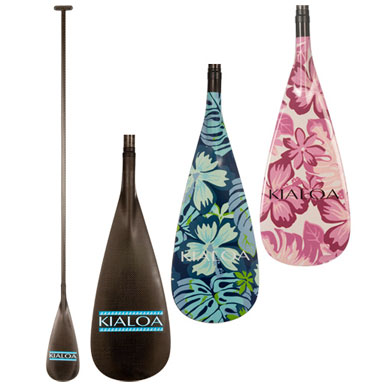
When out on the water, talk to others who share your interests – even if their abilities far surpass yours (for now). Try their equipment. If you have a heavy, poorly designed paddle prepare to get paddle-envy.  If your paddle is not the right length, prepare for a huge “aha” moment if you try a paddle better suited to you. If you have a few members of the family who’ll be sharing one paddle, why not get a top of the line adjustable paddle that will be exquisite fun for all? The KIALOA  Pupu paddle is a fine example.

So why am I about to add to my quiver of standup paddles? I have  one paddle I dearly love. For 5 years it has taken me over lakes, streams, oceans, bays and rivers – but like any piece of well-used sports equipment, it could break at some point. So I went shopping. Don’t ask me about square inches of blade size, blade shape, shaft length or blade design – I leave that to the experts.

Discussing things with the team at KIALOA (awesome customer service and rich online information) I learned that for my size, age and skill level I might find the KIALOA Pipes to be a great downwinder and flatwater paddle. It was fun to learn that many pros – even big strong young men – love the Pipes as well.  There is plenty to learn about getting equipment right – again, I always defer to the experts.

My current paddle, with a shorter shaft and larger blade size can still be my go to paddle for surfing. For my down winders and probably most races I may be better off with the Pipes. I tried the Pipes on the same 5 mile training run I have been doing for about 6 weeks, maybe 3 times a week.

In my last race I noticed that my heart rate was a full 20 BPM more than I wanted. I decided to do some training closer to my “fat burning” zone, topping at 136 and some segments in my  “aerobic” zone – which tops at  154 BPM.  I have been doing my 5 mile loop with my older paddle so I know my speed per mile and my average heart rate at that speed.  Yesterday when I used the Pipes my heart rate was easy to keep in the 125-140 BPM range. My fear was that the “feeling easier” paddling would result in a slower average speed per mile.

Holy cow! I use Nike+ to measure my miles and gather my splits per mile – I was 12-18 seconds faster per mile – a full minute faster for the total 5 miles while the entire workout felt easier. It was also actually easier – as demonstrated by my reduced heart rate. For a 63 year old chick just playing at being an athlete this is both fun to explore – and an incentive to get that Pipes in my quiver very soon. The only tough decision remaining is which of the beautiful graphics do  I choose – the blue or the green plumeria? Maybe blue to match my cool new Sweet Waterwear paddling top or my  Hawaiian blue Tiare Tee. 

10 Ways to Win a SUP Race

  1. Warm up before the race. Practice steadily whenever you can and get used to how “enough” feels.  Use a heart rate monitor now and then – so you learn what “enough” for you REALLY feels like.. The day before the race, work out a little and then rest up well. Stretch after you paddle for practice and get used to what “nicely warmed up” feels like. Honor your current ability and fitness. In the recent “fun paddle” part of the Olukai Ho’olaule’a, Suzie Cooney lead a group stretch and warmup before our 3 mile paddle. It got us ready physically and relaxed mentally.
  2. Be chilled out and friendly. Smile, joke and chat with others before the start, noticing who really needs to simply be left alone. There is bound to be a jittery someone you can calm a bit with a few words and a smile.
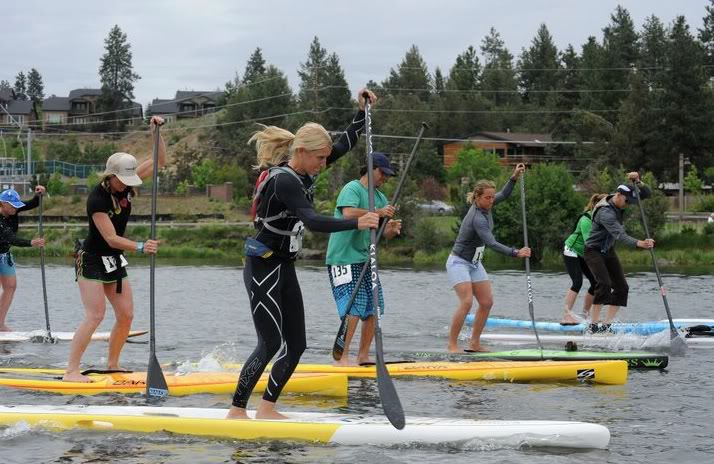
  3. Keep a steady start. If you get a shaky one you won’t get a good position. Wait a minute here!  If you are reading this article, chances are you will not be gracing the podium and accepting an award (unless you win the raffle prize). Yes, keep a steady start but keep a stead attitude too. Watch confident paddlers at or about your skill level and stay a bit behind them. They will help you learn to judge the local current, winds and start situation.  Do you see the paddler to the far (far far far) left of the photo, the one in the cool blue KIALOA hat? That is me getting confidence and timing from some of the best. YES, that is as close as I got to Karen Wrenn at the 2011 Bend Paddleboard Challenge – except when she lapped me!
  4. Don’t sprint at the beginning of a distance race. This is a waste of energy and it tires you out. Just sprint a bit for a couple of seconds to help you keep in a good position, then just turn your paddle strokes into a rhythm more like a “jog.”  If you have completed the distance that you’ll be
  5. Stay humble. Each person you pass delivers a chance to share a smile and “Go for it!” – if you have the breath (LOL). But keep your self confidence saying ” I can do it”.
  6. In a long distance race keep your hands loose around the paddle shaft. Wiggle your fingers now and then and use a loose grip and focused, strong paddle stroke. Remind yourself of your technique when you feel fatigued, it will bring you back into your best rhythm.
  7. Use your sense of touch. If you get tired during a long distance race or even a sprint, take a moment to breathe and feel. Feel the water on your feet (are you barefoot?) Feel the wind on your face – even if it is blowing stink and making it hard to paddle. Savor the opportunity to be moving yourself through the natural and sometimes wild outdoors.
  8. Use your hearing. Hear the steady lap-lap-lap of the water on and under your paddleboard. Hear your own breathing and monitor it. Hear your own voice humming or singing a tune to keep you in your aerobic zone – that matters in the longer races.
  9. elder sup and eldersup in Clayquot sound vancouver islandUse your sense of sight. After all, our “race courses are usually staged in oceans, bays, lakes and rivers in places most people would love to be. Got polarized sunglasses? See the bottom, see the colors, the rocks and the vegetation along the shore.
  10. Smile!  Your body will love you for the expenditure of energy you allot to a great big grin. Fun and relaxation will join the smile – after all, how many people get to experience the amazing sport of SUP racing. By the way, if you follow these 10 easy steps you WILL be a winner in any SUP race you choose to enter.


Suzie Cooney: Aloha, Respect and Solid Expertise

 I recently had the good fortune to meet Suzie Cooney doing what she does so often: providing her expertise for community events with great energy and generosity. You can also catch her working with clients at Suzie Trains Maui.  She has done over 23 free women’s clinics since 2009 that were, according to Suzie,  completely rewarding. Experiencing her enthusiasm as we did, it’s obvious that “giving” of her talent is a natural.

She gave the group doing a “fun race” part of the Olukai Ho’olaule’a event a well-designed warm-up before our event. It warmed us up – and with her encouraging words – helped us get the jitters out.

It is not a surprise that Suzie has chosen to connect her love of standup paddling with her passion for helping others gain fitness and knowledge. Having been an athlete prior to arriving to Maui ( 1999 ), and also having had the opportunity to work with people in sports orthopedics on the mainland, having knowledge of the anatomy – putting the two together made great sense.  Suzie explains this further, “I have worked both sides of the counter so to speak!  As an athlete, getting injured, coming back and then having the chance to help people with a better outcome from their own injury gave me great compassion.  I thoroughly enjoy helping people be their best and providing them an environment to succeed.”

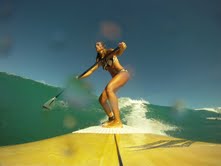
My husband, Ed, and I enjoyed every moment of our 3+ mile down-winder so much that we plan to train for the longer Maliko run next year. We are certain that wind and wave conditions will temper that decision – one not to be taken lightly. Suzie will be a wonderful person to help us through training and that day-of-the-event decision. She paddles that stretch of ocean regularly and shares this insight, “Maliko is a stretch of open ocean that commands respect, supreme water confidence and body endurance combined with the skill of paddle surfing and stand up paddling in the most intense and extreme conditions. A paddler who ventures on this 10 mile adventure must be ready for anything.  The swells combined with high winds usually averaging over 25mph offer a thrilling roller coaster ride down big troughs that can connect with what we call “bumps” up to 200 yards long, sometimes longer.  The exhilarating take offs and drops leave you wanting more. Ten miles of this without having to paddle your brains out is absolutely addicting!” The picture to the right shows Suzie is riding an “addictive” section of “bumps.”
Another Suzi, a recent client of Cooney’s, recently arrived to Maui and found “Suzie Trains Maui” via the internet and through friends. Whatever the fitness level the client comes with, Cooney can customize the program to best meet both needs and expectation. The “other Suzie” was already an incredible surfer, sponsored skateboarder and all around charger.  Cooney was quite busy at the time the new client arrived, but Cooney made space in her schedule for “the other” Suzie. She insisted they start training right away and together they decided Maliko was “it” – just the right event to train toward.  The OluKai race would be her first competition and so the training began.  She felt with her base of surf knowledge and water experience this would be the ultimate challenge for her and allow her to have a goal and get into tip top shape.

She actually bought Cooney’s old race board and immediately Cooney got her out training in all conditions.  She then entered on her own, a smaller local race which turned out to be a crazy, unusual race with head winds the entire way.  Suzie Cooney explains, “It was tough, but a good taste for her. The moment I saw her paddle that Naish 14 foot Glide, I knew she had a special talent. I was stoked for her.”
In talking to Suzie, it is apparent that she is in the business heart and soul. She explains, “It’s a huge reward to prepare someone for their big day down Maliko.  It can go either really great or really bad. Sometimes people think they are ready and sometimes fear overcomes them and they simply can’t stand most of the run.  Coming out of the gulch takes the most out of people. It appears very calm and mellow from the ramp in the bay and soon as you hit the point, the wind can take your board and the swell can take you down so hard and fast you don’t know what hit you.  Most go out on their knees until they get the strength and body endurance to paddle hard against swell and big side winds until you’re out quite a ways.

I try to encourage people to interval train at high intensity because getting out of the gulch can take a lot of energy and there is no time to dilly dally. It’s full on until you get to turn the nose of your board down and head towards the amazing Iao Valley.  I teach people how to read the reefs along the way, where to have land marks and how to manage the changing conditions and often change half way down.  Keeping calm is the most important thing and relaxing your body if your not used to winds blasting at your back up to 40 mph.  Most people who have a wind sport in their life, like windsurfing or kiting do very well. They know how to read the water and wind which helps. 
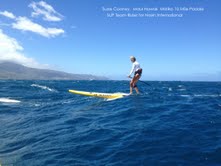
All of Suzie’s clients first must do mini downwinders withher. A short down-winder could be like the one Ed and I did  from Paia Bay to Kanaha.  That experience serves to get novices  used to all that motion in the ocean.  From Suzie’s experience with many first timers, ” It’s a pretty big deal when we get to the harbor mouth and turn that tight corner in and then this sigh leaves their body, shoulders drop and the tension leaves their bodies! It’s pretty awesome.  Some are shaking, a couple have cried tears of joy and maybe a little relief.”

The people most likely to be labeled “watermen” (or waterwomen) are the least likely to adopt that label for themselves. Our time in Maui, especially at the Olukai Ho’olaule’a event, made us very aware of the waterman culture and spirit. We asked Suzie about that, “I believe always in giving back, for the more you give the more you get, especially from the ocean.  I’ve always admired how long time waterman and waterwomen have taken me under their wings and taught me how to respect the powers of the ocean and I wanted to do the same. So many people have no idea what it’s like to manage big or small waves, about the currents, the tides, the winds and how everything affects all aspects of what we enjoy out there.  Kula Sunn, Rell Sunn‘s sister is the biggest inspiration to me as she has spent a lot of time showing by example in all that she does.  We’ve surfed and dirt biked together and she would give her last gallon of gas or the shirt off her back.

It seems like a lot of athletes focus on what they won last or how many sponsors they have, and it’s really too bad.  They should be rewarded by the good deeds they do around their sport. SUP seems to attract kind and giving people who want to share with the world their joy for the sport. I love that.”
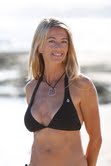
We were very fortunate to get to know Suzie. The true spirit of Aloha resonates within her spirit! When you’re in Maui looking for expert fitness and SUP training, call Suzie Trains Maui and Standup Paddling Fitness. 
Flow-Flow (SUP & Yoga)

I had just finished the 2011 Bend Paddleboard Challenge and was all jazzed and happy to have completed the five miles in fine form – certainly not for speed, just for fun. (Photo by Jill Rosell) Sitting on the beach a bit later, I was watching the few brave souls in the “style” competition. Suddenly all the crowd on the beach noticed someone climbing down the rocky shore with a paddleboard and hop in the river. The next few minutes were absolutely an amazing mix of balance, style, grace, strength – and flow.  Easily winning the event was Kama Blasing, the surprise entry that sparkled the competition.

After that I paid attention to what Kama was doing.  Throughout the summer I heard quite a bit of buzz about the yoga classes available on the wide grassy area at Riverbend Park – both on land and on the water. Inspired by Kama and Shanan Kelley, this series they call “Flow-Flow” caught on quickly.

Recently, I had the opportunity to talk to Kama and Shanan, partners in the unique Flow-Flow (yoga and SUP) classes. There’s no denying the passion and commitment they have for providing this opportunity to their students in Central Oregon. Looking toward warmer weather, they plan to share their skills with many more people this summer.  Whether you have had a long yoga practice or are just beginning, the experience is customized to meet your interest and abilities. (This season’s session begins June 11, 2012) Flow-Flow is available for private group parties.

Some background: In spring 2011, Kama completed her second 200 hour Yoga Teacher training under the care and guidance of Kat Seltzer. Kama also has RYT 200 Ashtanga from 2004 and second RYT Vinyasa Yoga Spring 2011 at MYC. Participating in the Living Yoga program infused her existing practice with Flow. “True creative exploration of the mind, body and spirit though asana….on the mat and off.” It is her hope to share with others the ability to access, feel, and explore the magic of yoga. Shanan recently took her practice to the next level by traveling to the south of Mexico to study Restorative Alignment under Brigitte Longueville’s guidance, in the process earning her first 200 hour Yoga Alliance teacher certification. Returning stateside with a new view on how this ancient practice can enhance one’s life throughout their life.

clarify that Flow-Flow is offered twice weekly June-October Mon & Thurs 5:30-7:30pm

The power of getting into a “flow” state is explained really well by “the father of flow,” Mihaly Csikszentmihalyi. Understanding the power of “flow” and gaining insights on how to build more flow to life and work, I have read  Csikszentmihalyi’s work many times. According to Csikszentmihalyi, “the flow experience is typically described as involving a sense of control – or, more precisely, as lacking in the sense of worry about losing control that is typical in many situations of normal life. Flow describes well the sense of seemingly effortless movement”

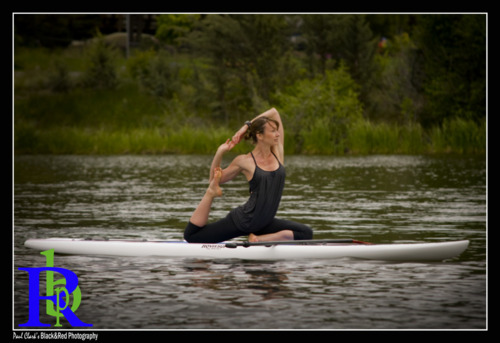
We can all remember a time, usually back in our childhood, when movement, freedom and an absolutely effortless sense of flow was ours. For me, it was often that barefoot walk in summer-soft grass warmed by the sun. When Kama and Shanan described how they begin their Flow-Flow classes I was like, “Sign me up!” Class begins on the uneven grassy earth with a Vinyasa series that unfolds an amazing connection of breath, movement, earth and nature. After 45 minutes of Vinyasa flow on the grass the experienced is enhanced by taking SUP boards to the Deschutes River.  Each person can choose to simply paddle or to explore yoga moves or postures on the paddleboard. No matter what SUP skill level a participant has, this part of the class is based on committing and staying focused.

“Vinyasa yoga teaches us to cultivate an awareness that links each action to the next – on the mat and in our lives” (Photo by Paul Clark, Black and Red Photography)

Shanan Kelley just couldn’t keep a big grin off her face as she described the basic passion she and Kama have for their flow flow classs. From the beginner to the individual with a more advanced practice, they provide training that helps foster a shift in movement that supports change and is a catalyst for openness. As body tissues are gently coaxed toward opening an awareness of how that is a metaphor of the Flow-Flow philosophy.

Yoga done out in nature adds many dimensions to the practice. Grounding feet is far different done on the grass touching warm earth than similar grounding practiced indoors.  Raising up and reaching toward the sky – and being able to actually see the sky – wonderful! I am looking forward to trying this class.  As Kama and Shanan guide us, I am looking forward to being reminded to find the “okay” spot and being present where I am on that given day.

Life offers us many challenges and a culture of more-better-strive-best.  While Flow-Flow encourages exploration and change, there is something more.  According to Kama and Shanan, “Being a beginner is a treasure.”

If you have experienced Flow-Flow (SUP and yoga) in Bend, OR, please share your comments with us.

Summer SUP – Winter Training

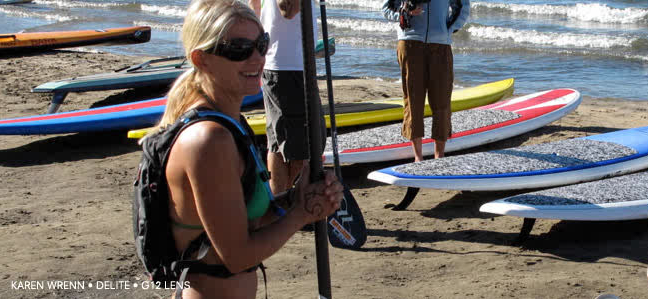
Sitting here in the wintery world of ski-season, quads wonderfully shredded from 3 days finding off-piste fun, I started thinking about some compression tights to wear pre and post exercise. I remembered that Karen Wrenn was wearing something when she visited one of our river races last summer so I took a quick look at her website to determine what brand was good for SUP. Bummer, I can’t tell from this photo.  No problem though. I had the chance to explore Karen’s website and blog – great information right when I need it.

Just in time for paddling season this year I will be turning 63 (for real???) and staying ready to paddle in races and long tours is a priority. I “enter” races but I don’t “race.” While every stroke is the strongest I can muster at the time, and the camaraderie of the race is so much fun, I am usually the last to cross the finish line on my 11’3″ Amundson.  Occasionally I borrow a race board, most recently from Dave and Meg at Kialoa, but my agenda is all about the paddle in the water, the connection between heart/lungs/muscle/sights/sounds and friends on the water. Training for all that is important.

Reading about Karen’s busy life as mother of three and the off-season whether she deals with in Portland was inspiring.  She suggests ways to stay motivated and carving out the 45 minutes or so needed to stay in shape.  Especially interesting is her explanation of her cross-training routine.

On her blog, Karen explains,  “Circuit training is great because you can get your heart rate going, build muscle and muscle endurance. I will first do something that elevates my heart rate followed by a couple exercises that include strength and balance. For example, I might do 20 double jumps (or you could do 100-150 single jumps) with a jump rope and then move right into 20 kettle ball swings (from a squat position swinging the kettle ball to shoulder height coming to a standing position) and repeat. Then I would move into a plank position with elbows on a ball and roll the ball forward and back for 20 reps. I would do this circuit 3 times and then move on to another circuit.

Another idea of a circuit is to do 15 split jumps on each leg (http://www.livestrong.com/video/5310-split-jumps/) and then 20 tri-cep dips then 20 reverse crunches (http://www.youtube.com/watch?v=vVVlXA0dqGg) and repeat this circuit another two times. Basically, come up with some circuits of three exercises. Have the first exercise of the series be something that will elevate your heart rate ( jump rope, running stairs, sprints on a rowing machine) add a strength exercise ( kettle bells, push ups, tricep dips, pull ups, etc…) then add in a core exercise ( reverse crunch, plank, medicine ball sit up and throws). After you finish one circuit of three then move on to another.

Bye, for now! I am heading to the gym and then to the trail. SUP season will be here before we know it. How do YOU train off-season?

Jimmy Spithill: Standing up for Standup

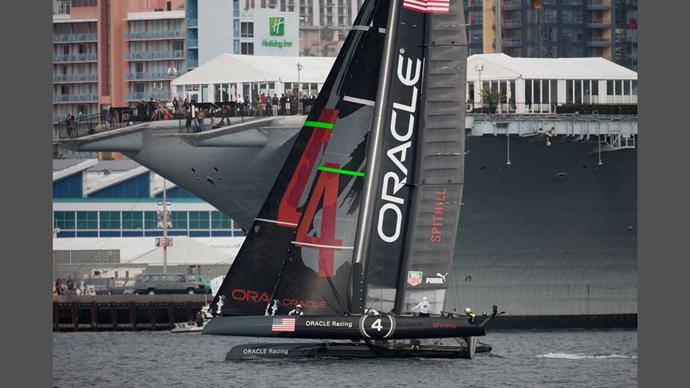
During the Louis Vuitton Junior Trophy, BMW Oracle skipper Jimmy Spithill – who first sailed in the America’s Cup as a teenager – was among the senior sailors encouraging the kids. He said, “We appreciate all the people who come to see us and congratulate us with the Cup. But for us, the exciting thing is meeting the kids. Especially the kids sailing these great little boats. These kids are the future of world sailing. And I wouldn’t be surprised if one day they’re sailing boats like these, but on a bigger scale, in the America’s Cup.”

Next generation – always the key to a great future, whether it’s sailing, SUPing, the environment or any number of challenging causes.  It makes sense that Jimmy would practice balance and core strength on a standup board between his adventures with Oracle Racing. Getting the job done in an ocean race means moving quickly on an unstable platform and maintaining a strong core for the demands of racing.  Sounds like the recipe for a SUP workout – for sure!

Dear to my heart (A few levels behind the passion for standing on water of any kind) is fitness. Jimmy Spithill chats, in the video below, about noticing what consumers are doing for fitness. (bye bye treadmill and crunches).  Not just sailors, but the general public is embracing a new fitness fun in the form of standup paddling.  Right on, Jimmy! he says, “We grabbed people from the shore, people who had never tried SUP and they loved it.  When people are engaged with the ocean they want to protect it.”

Enjoy!